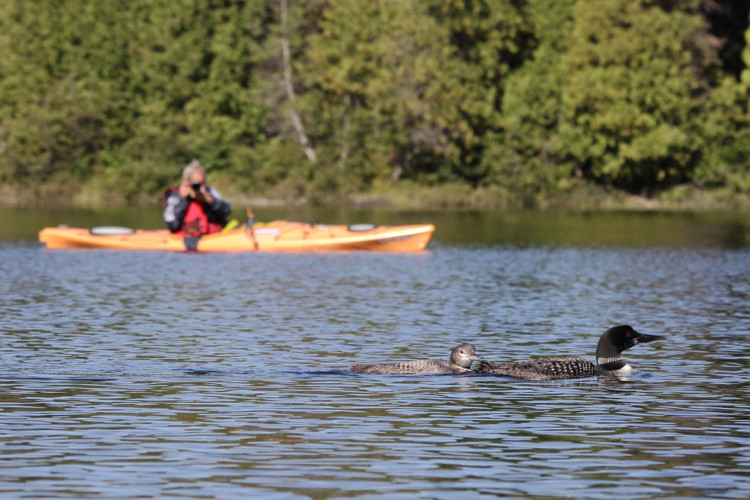
Your Guide to Helping Birds
Our love for birds is what drives us to protect the natural world we all depend on. Backed by science and hand-picked by Birds Canada staff, the 10 recommendations in this guide share practical ways to take action at home and in your community.
Two of the biggest issues birds face, climate change and habitat loss, can feel so large and daunting, that it’s hard to know how to help. Fortunately, when we come together, our small actions grow into large impact.
1. Get to Know Your Birds
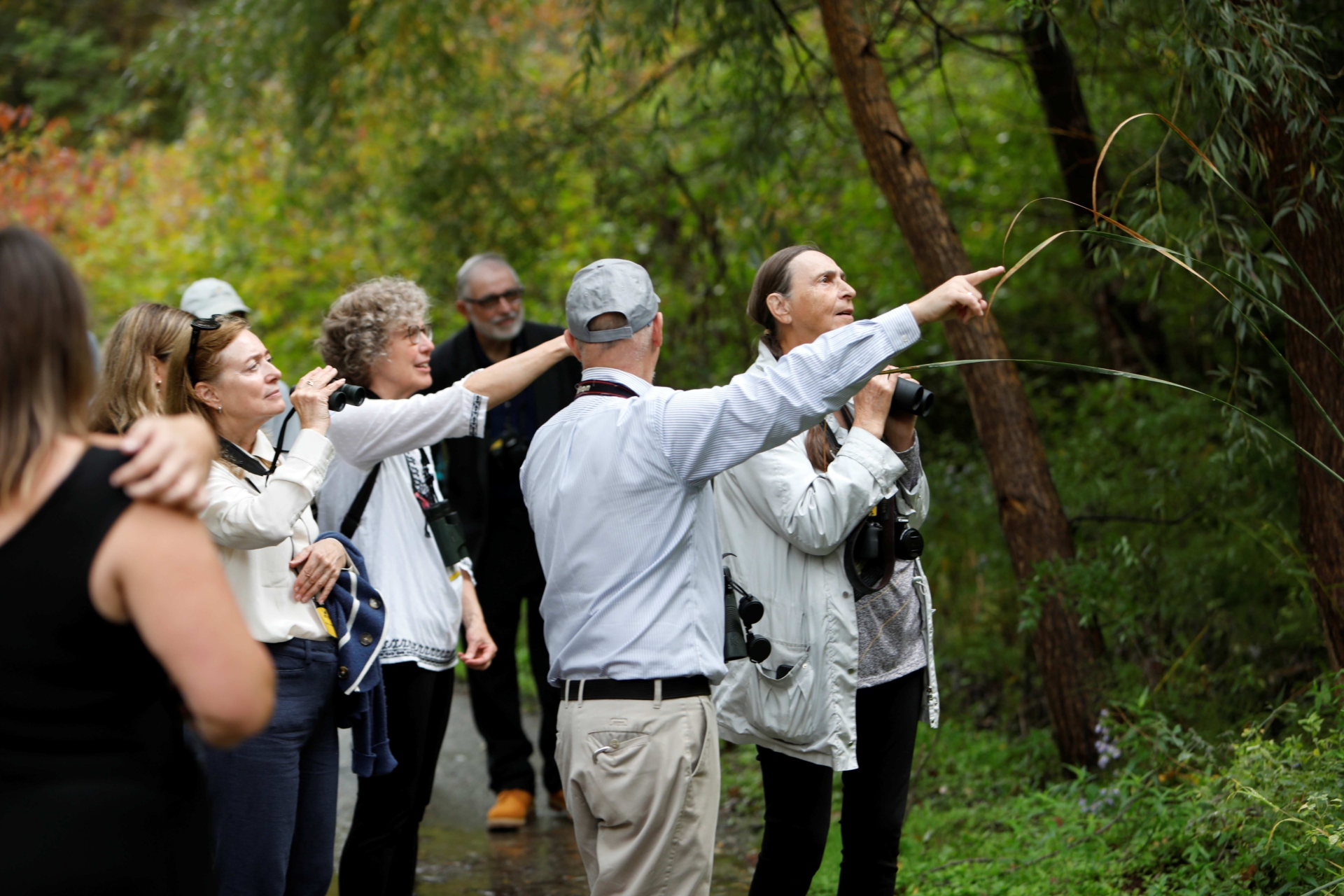
Simply observing birds and learning to identify them is a rewarding way to connect with the natural world. Stronger connections to nature not only fuel conservation efforts, but they also have countless human health benefits.
You can start your birding journey by borrowing a bird guide from your library, joining an outing with your local nature club, putting up bird feeders or participating in one of our beginner volunteer bird monitoring programs such as the Great Backyard Bird Count or Project FeederWatch. You could also check out our tips for new birders, sample one of our free online courses, and download the free Merlin Bird ID App.
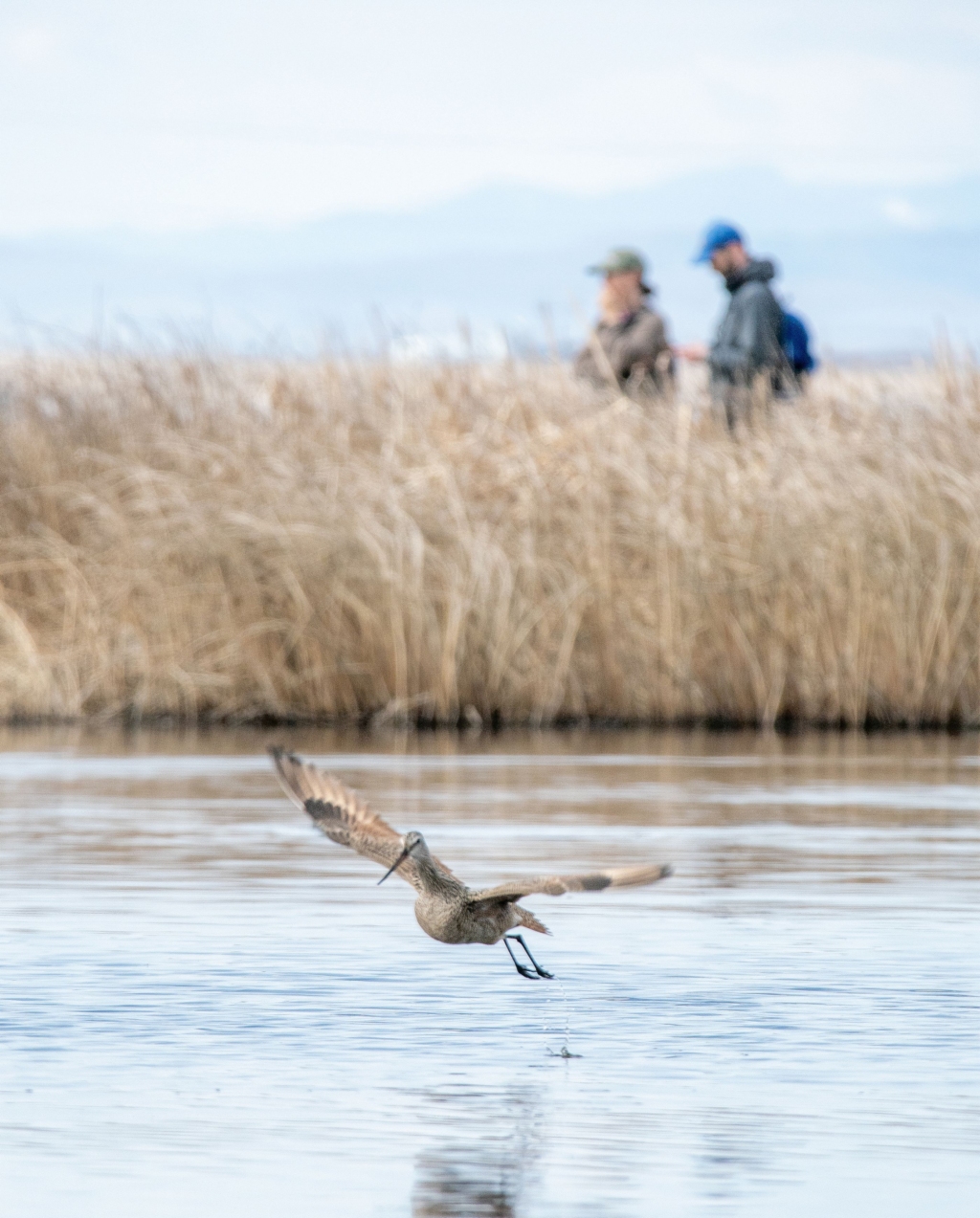
©Marbled GodwitPhoto: Melissa Giamou
2. Become a Volunteer
Be part of something bigger. Help us understand and protect the birds we love by joining a community of passionate volunteers. Whether you're just getting started or looking to deepen your connection to nature, there are many ways to get involved.
Take part in bird monitoring programs and contribute valuable data or roll up your sleeves through hands-on stewardship restoring and protecting habitats.

Photo: Kris Cu
3. Advocate for Birds
Your voice matters, and you can lend it to protect the birds we all love. At Birds Canada, we are turning our science into conservation action through policy leadership, collaboration and awareness campaigns. Learn more and speak up about issues that matter to you.
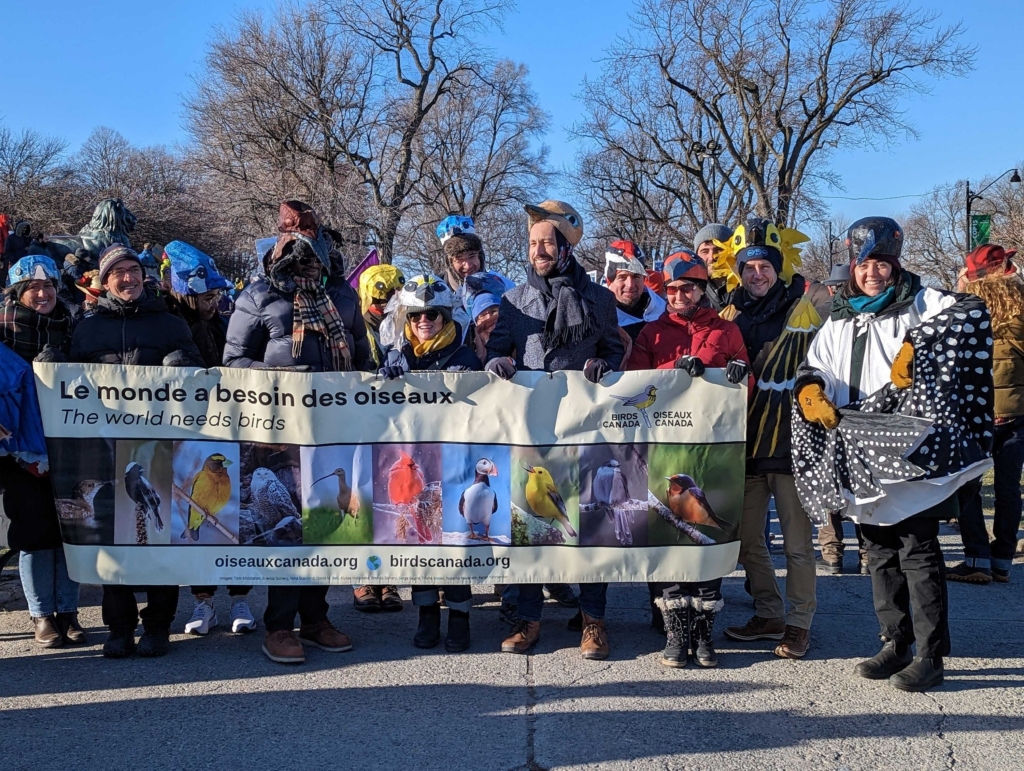
Photo: Ruth Friendship-Kellar
4. Be a Bird-savvy Consumer
The choices we make every day have power. When we choose better, businesses listen, and together, we can shift the market toward practices that protect birds and the natural world we all share. This can be done by reducing food waste, buying locally grown and organic food when you can, and reducing plastic usage as much as possible.
Four options that make a difference for birds:
Bird-Friendly Coffee

Buy certified Bird-Friendly Coffee which is 100% organic and protects habitat for migratory songbirds that rely on tropical forests during the non-breeding season. Buying this coffee also supports the people who are growing coffee the bird-friendly way, which helps prevent the habitat from being lost to other land uses.
Grass-fed Beef and Dairy
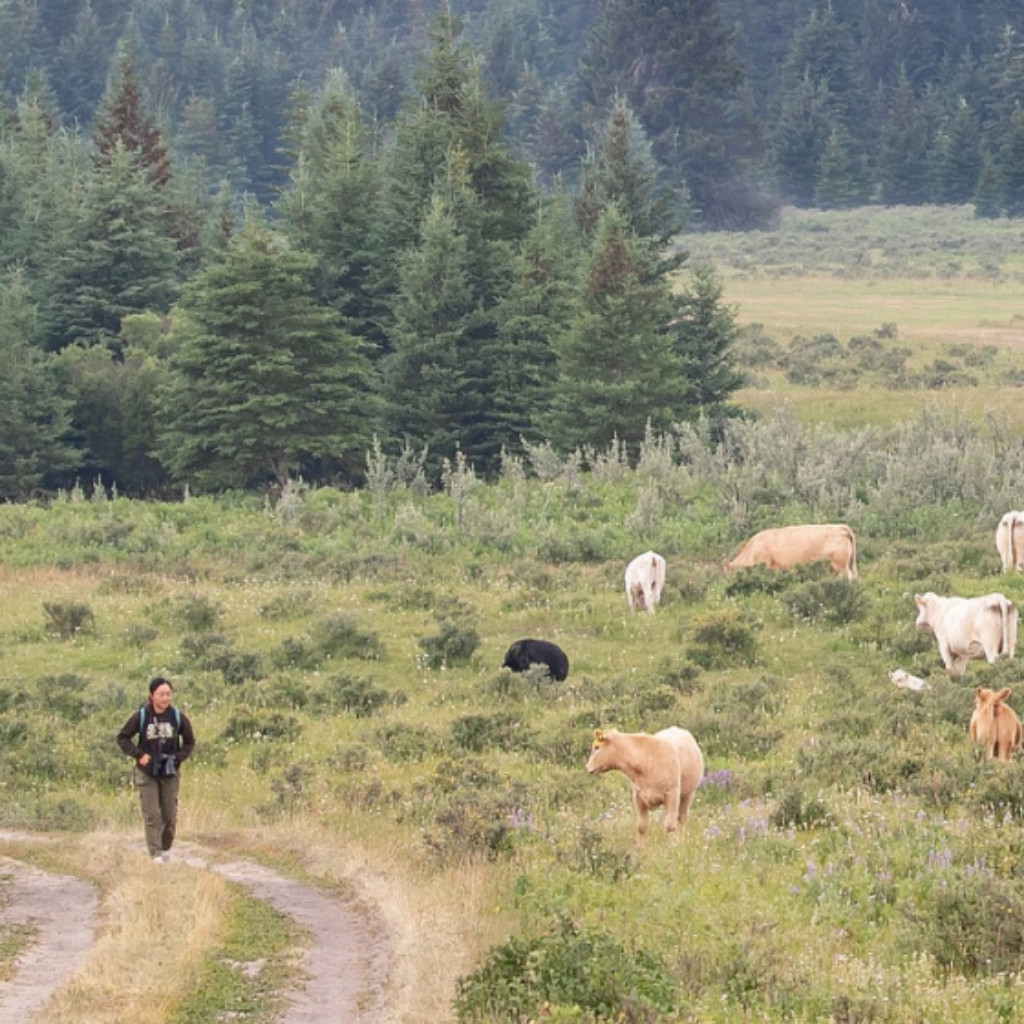
According to our State of Canada’s Birds report, grassland bird populations have declined by a staggering 67% since 1970. You can support the conservation of grassland birds by purchasing grass-fed beef and dairy products that come from cattle grazed on grassland habitat, allowing farmers and ranchers to earn a living while keeping these ecosystems alive and thriving. Maintaining grasslands as “working landscapes” preserves them as bird habitat, preventing them from being lost to other land uses.
Sustainable Forest Products
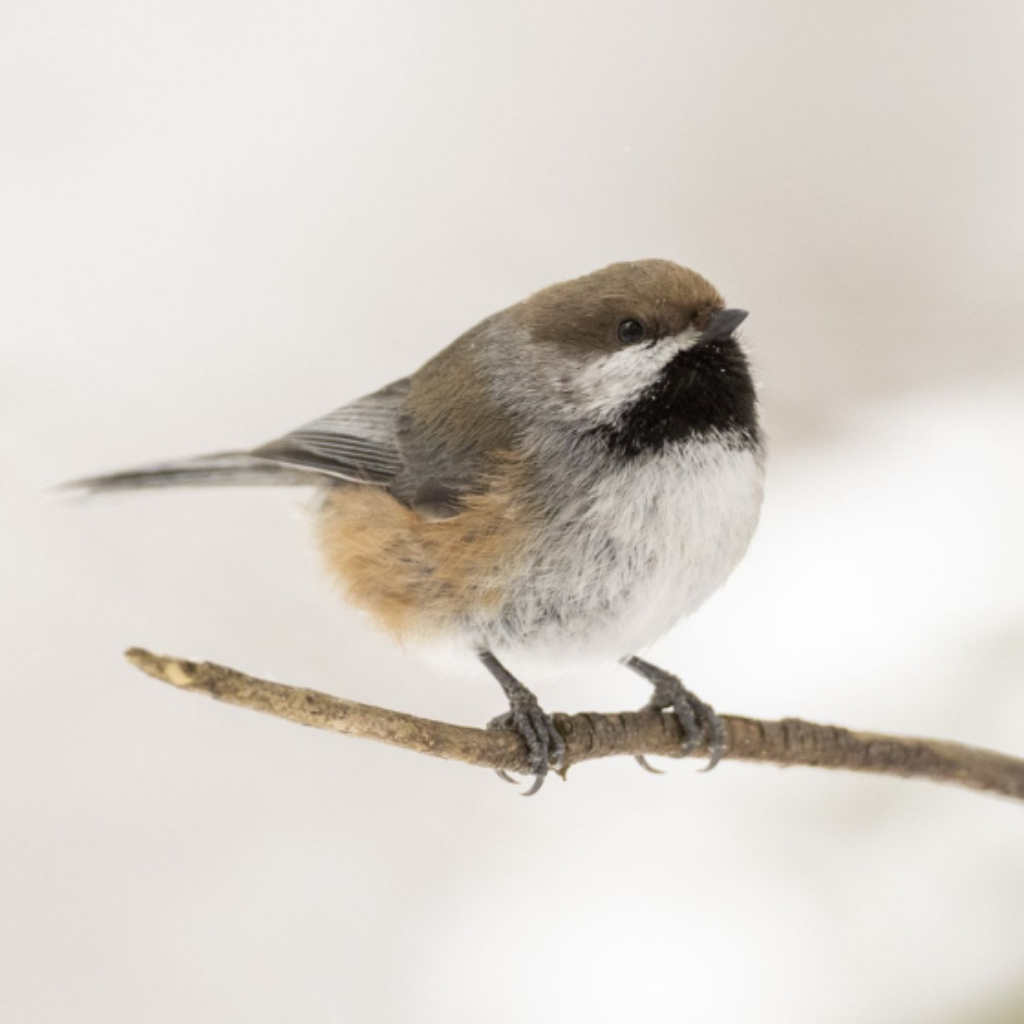
Look for Forest Stewardship Council (FSC) certification on your paper and wood products, including furniture, health and beauty products and more. To be certified, producers of these products must meet standards for sustainable forestry that protects habitat for forest birds, including the 300+ species that rely on Canada’s Boreal Forest.
Sustainable Seafood
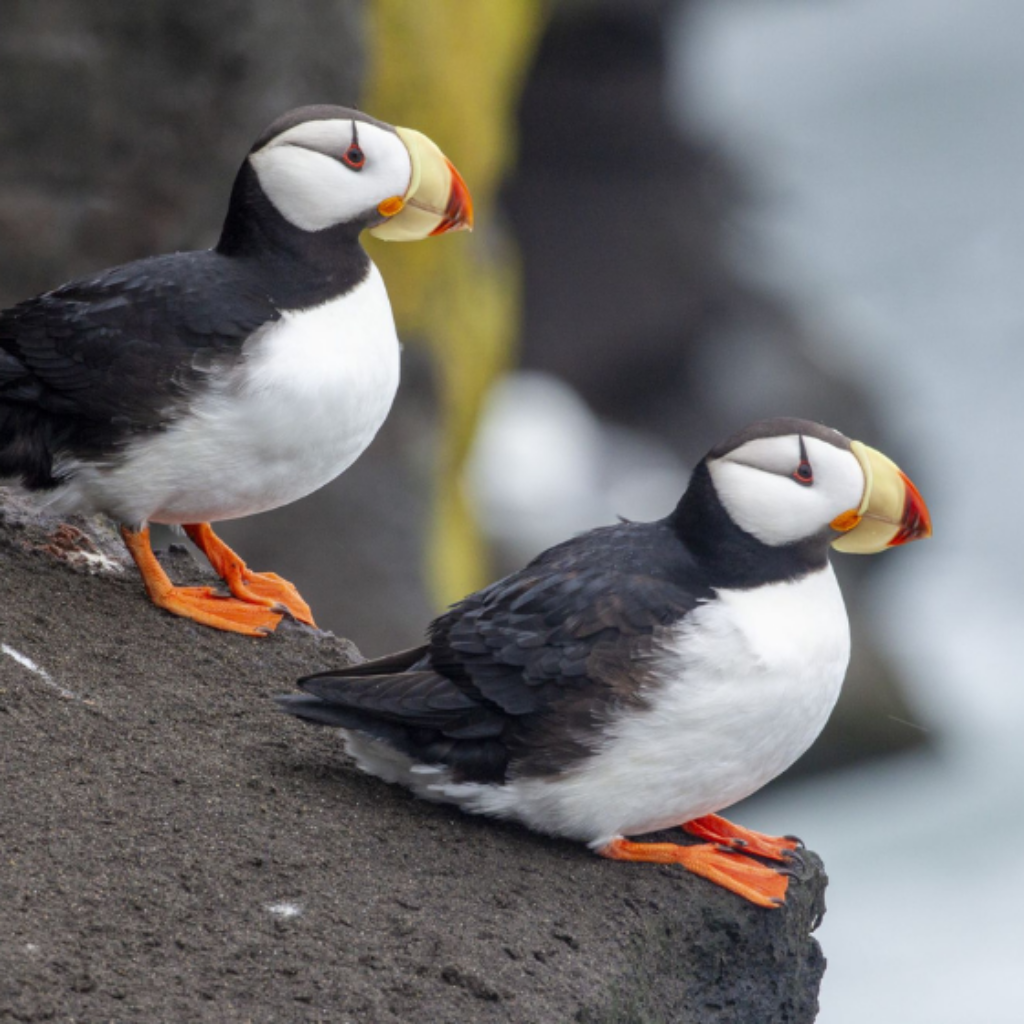
If you or your pets enjoy seafood, choose products with trusted sustainability certifications like Marine Stewardship Council and Ocean Wise.
5. Avoid the Use of Pesticides
Every garden, yard and green space has the potential to support birds, offering safer places to feed and nest and thrive.
We know that widespread use of chemical pesticides and herbicides in agriculture, forestry, and in our own yards and homes poses a major threat to many bird species in Canada. These poisons accumulate in and kill animals and plants that birds feed and live on . Birds that feed almost exclusively on insects while in flight (aerial insectivores) have shown a 43% population decline according to the State of Canada’s Birds.
You can make a powerful difference for birds by creating healthier, more natural spaces by avoiding the use of pesticides, herbicides, and rodenticides in your garden and home.

Photo: Claire Elizabeth Marshall
6. Create and Protect Habitat for Birds
By Gardening for Birds, we can create habitat in backyard spaces, community garden plots, or even on a balcony with some planter pots. Take your love of birds to the next level by creating and enhancing habitat that provides them with essential resources (food, water, and shelter) throughout the year.
With Birds Canada’s new online resources at birdgardens.ca, you can design a nature-focused garden. When you garden with birds in mind, your property can become part of a larger conservation initiative to help address the loss of biological diversity. And you might be surprised by how many new bird species you’ll see visiting your property or living in your garden!
You could also consider supporting efforts to protect important habitats for birds and other wildlife through your local land trust or nature club. Learn about areas in Canada that have already been identified as crucial for maintaining Canada’s bird populations.
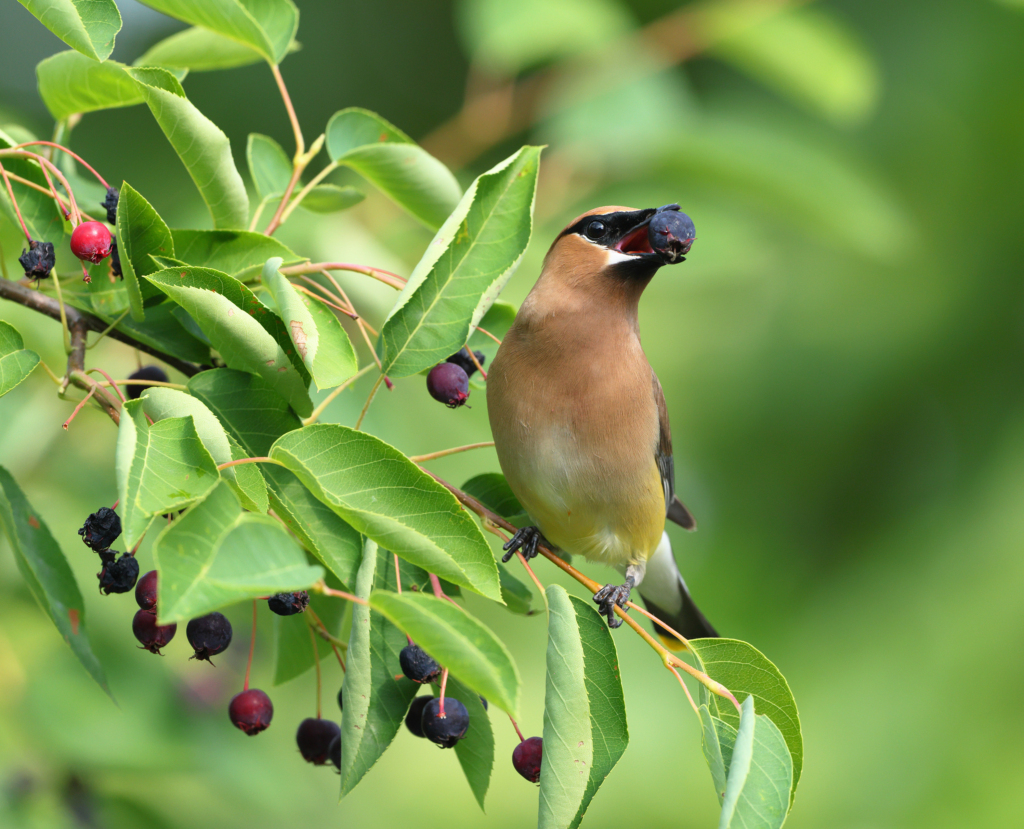
©Cedar WaxwingPhoto: Michael Poole
7. Keep Cats Indoors and Leash Dogs in Sensitive Habitats
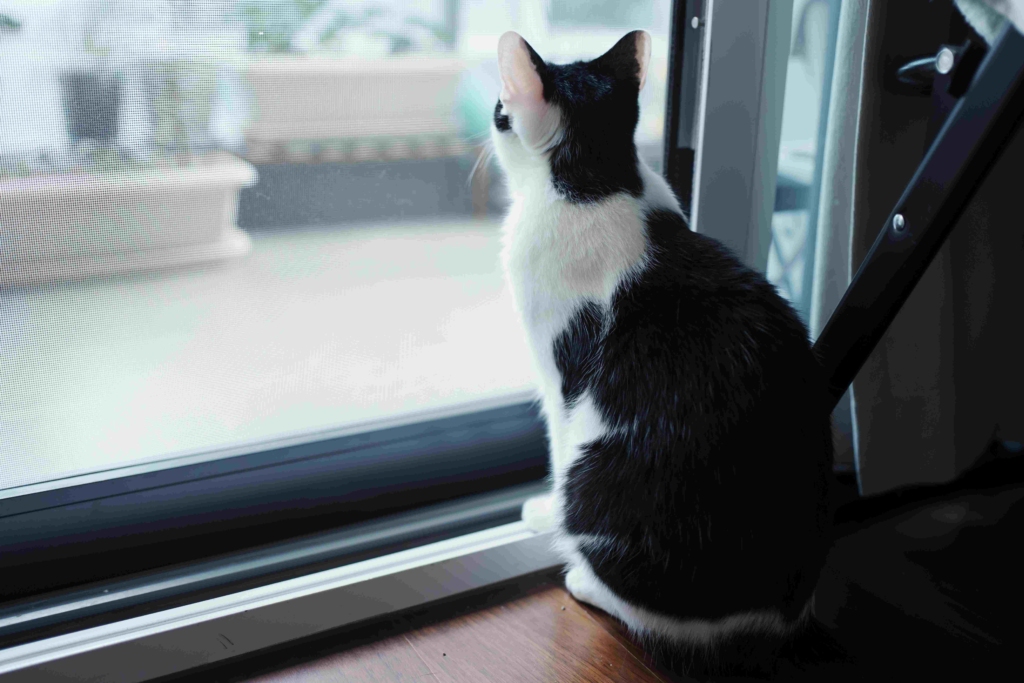
You can support birds by caring for your beloved pets at home by keeping cats indoors and dogs leashed in sensitive habitats. After habitat loss, the single largest source of bird mortality in Canada is from domestic and feral cats. In Canada, free-roaming cats kill an estimated 60 million birds each year. Keeping cats inside, or outside in a controlled environment by using a leash or catio enclosure, is best for native wildlife and for the health of your pets.
When you’re out enjoying nature with your dog, you should always keep them leashed in sensitive areas where birds may be roosting or nesting - particularly at important stopover sites for migrant shorebirds.
Take a deep dive on this issue by listening to this episode of Birds Canada’s The Warblers Podcast on birds and cats.
8. Prevent Window Collisions
Every year, more than 25 million birds in Canada, and close to a billion throughout North America, are killed by collision with residential and commercial buildings. We know that most of these occur at people’s homes, which means it’s something that we can all help change. Birds collide with glass because they either see through it or see a reflection of a tree or shrub in it. In either case, what they see looks like a clear flight path. The good news is that small, simple actions can help birds navigate our shared spaces.
Three simple ways to prevent collisions:
Bird Bath and Feeder Placement
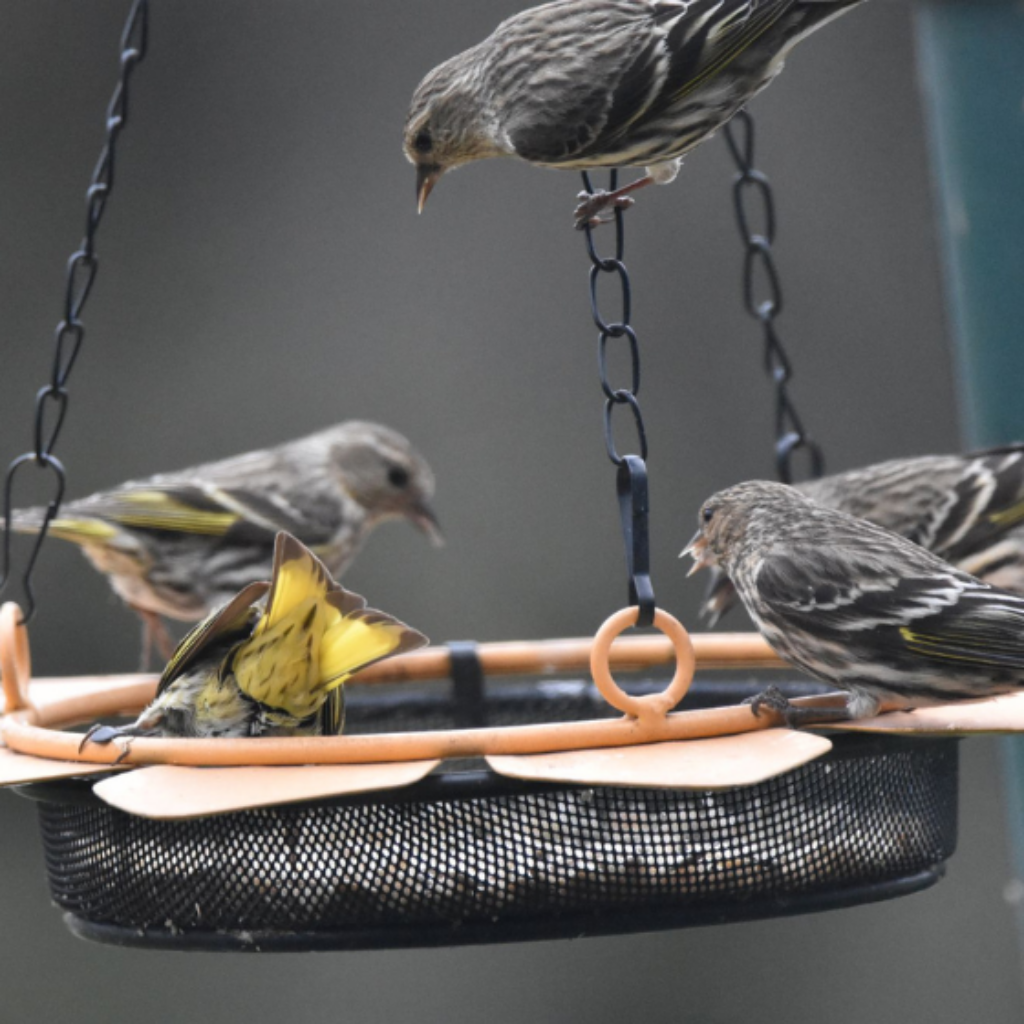
If your feeders and bird baths need to be near a window, distance matters, and closer is better. Placement within 3 m/10 ft of a window means that a bird leaving the feeder can’t gain enough momentum to do harm if it strikes the window.
Window Markings
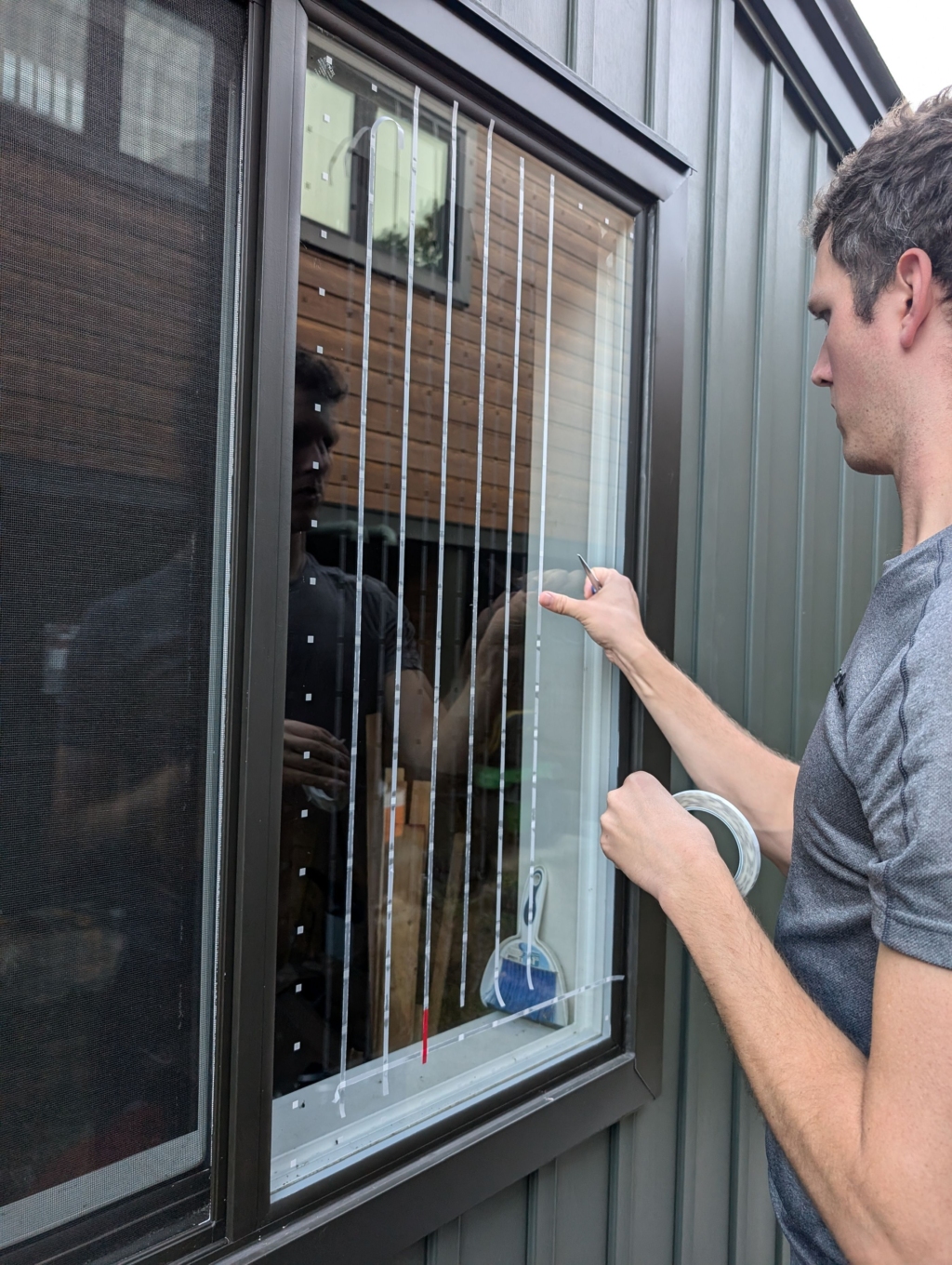
You can prevent collisions by making windows visible to birds. Some options include applying markers, or tape spaced in a 5 x 5 cm (2 x 2 in) grid pattern or making DIY Acopian Bird Savers. Note that these solutions must be applied on the outside surface and provide high visual contrast to the glass in order to work. A great example of a product designed to prevent bird collisions with glass is Feather Friendly.
Turn Off Your Lights at Night

You should also consider turning off lights at night, especially during migration (April through early June in the spring, and mid-August through October in the fall), and support “lights out” programs, bird-friendly design guidelines, or other initiatives to prevent collisions in your community.
9. Share Your Love of Birds
Birding is for everyone. If you are already fully immersed in the world of birds, try and find opportunities to share your love of birds and help make birds and birding more inclusive and accessible to others in your community. This can include sharing and amplifying Birds Canada’s stories, campaigns, and articles, as well as other great examples of bird-inspired content, both online and offline.

Photo: Kris Cu
10. Give to Conservation
Many actions in this guide can be taken at home or in your community. But lasting large-scale conservation also takes long-term commitment, collaboration, and resources. By donating to Birds Canada, you directly support the conservation action needed to reverse bird population declines across the country and beyond.
Your gift helps drive smart, feasible solutions to conserve birds and their habitats. Birds Canada is uniquely positioned to lead this work through the scale and rigour of our knowledge, data, and expertise on bird populations.
You can make a one-time donation today or sign up for the Flight Club monthly giving program.
Together, we are Canada’s voice for birds—and together, we can ensure a future where birds and people thrive.
Science & Conservation Stories
The Latest
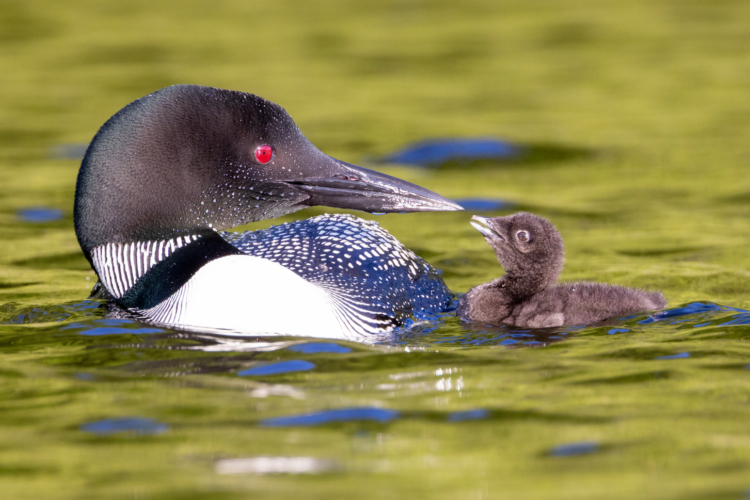
New Common Loon research uncovers a widespread decline and calls for action
The unprecedented international effort to understand and reverse declines in one of North America’s most iconic waterbirds.
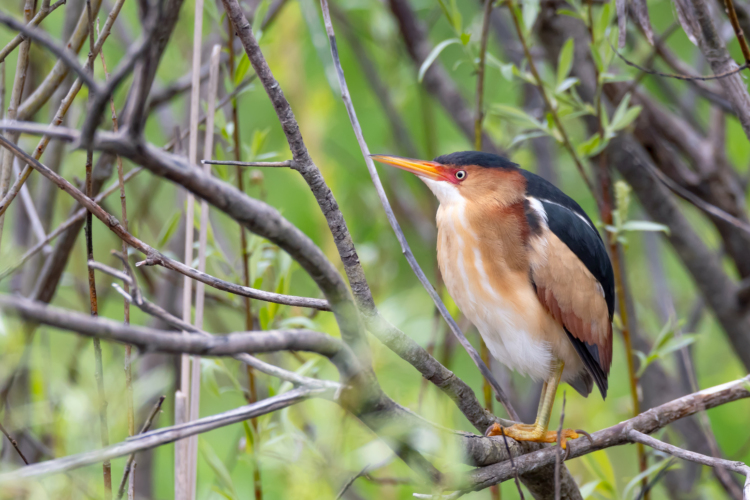
Birds Canada Science Critical for Great Lakes Coastal Wetland Bird Conservation
Birds Canada science has helped attract millions of dollars in recent funding to restore hundreds of hectares of threatened Great Lakes coastal wetlands for birds. Read on to see how data from our Great Lakes Marsh Monitoring Program and science-based recommendations from our Long Point Waterfowl and Wetlands Research Program have been critical for making this happen.