Our Approach to Science
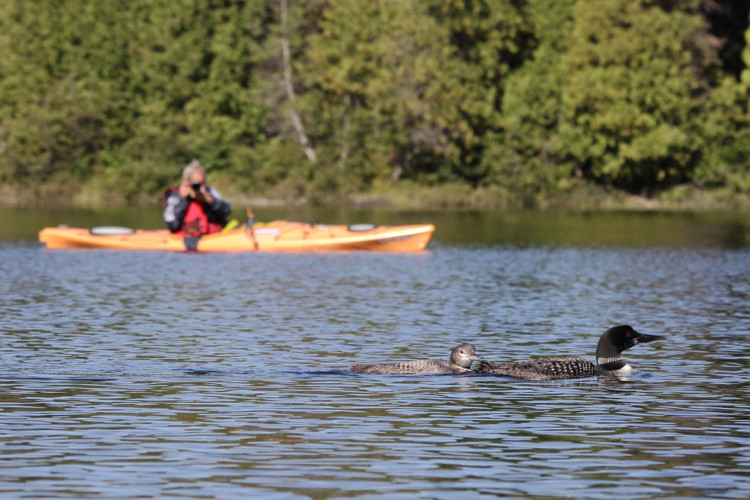
Science tells us where to focus our conservation efforts so we can protect the birds we love. At Birds Canada, we bring together the passion and dedication of thousands of volunteers and collaborators with the expertise of professional scientists to collect and share data, deepen our understanding of birds, and identify the conservation solutions needed for them to thrive.

Photo: Kris Cu
Photo: Kris Cu
Delivering Strong Science
Science is at the heart of all we do—it has been for 65 years. Delivering strong science is all about turning observations into solutions that protect birds, sustain their habitats, and help populations thrive. What makes us unique is the scale and rigour of our knowledge, data, and expertise on bird populations, and how we share it.
To take effective action, we need to understand how birds are doing and what they need to succeed. We track where they breed, how they move across landscapes, where they stop to rest and refuel during migration, and where they spend their time during Canadian winters. By listening to what birds are telling us, we provide the evidence to guide conservation action where it is most needed.
Understanding birds requires many eyes and ears, which is why volunteerism plays a critical role in our work. Each year, more than 24,000 volunteers like you across Canada contribute 1.6 million hours, alongside scientists, to generate a powerful source of information helping assess the status of bird populations, understand why they are changing, and identify opportunities to protect them.
Tracking the State of Canada’s Birds
The State of Canada’s Birds report is the most comprehensive assessment of bird populations in Canada.
Powered by decades of volunteer-collected data, and co-published by Birds Canada and Environment and Climate Change Canada, it helps guide conservation priorities, inform policy decisions, identify research needs, and measure progress toward conservation goals.

Photo: Sasha Chilibeck
Innovating Technology for Conservation Impact
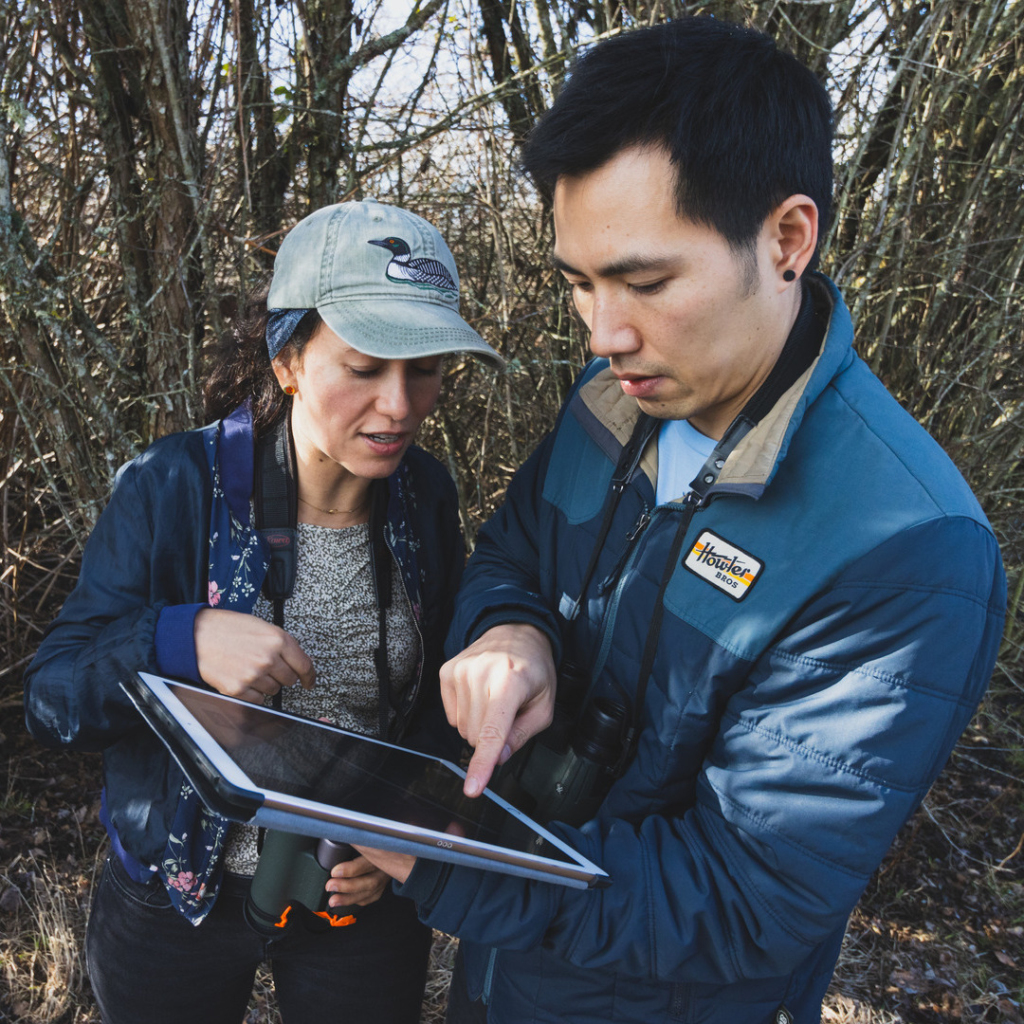
Birds Canada is developing technology that makes conservation more effective. Tools like the NatureCounts mobile app streamline data collection, helping volunteers and professionals alike contribute directly to one of the world’s largest biodiversity datasets with over 380 million bird records available.
By saving time and improving data accuracy, NatureCounts removes barriers to delivering faster, smarter land-use decisions grounded in the best available science.
©NatureCountsPhoto: Kris Cu
Motus Wildlife Tracking System
Motus, led by Birds Canada, is the world’s largest ground-based wildlife tracking network. Used by thousands of researchers and collaborators worldwide, Motus is transforming our understanding of how birds move across landscapes, use habitats, and respond to changing environmental conditions. This knowledge helps identify important stopover sites, connect populations, and guide conservation action. For example, Motus has helped identify a critical Atlantic Flyway stopover in the southeastern U.S. for the Endangered Red Knot, supporting new policy restricting horseshoe crab harvests and helping protect an essential food source for these migrating birds.
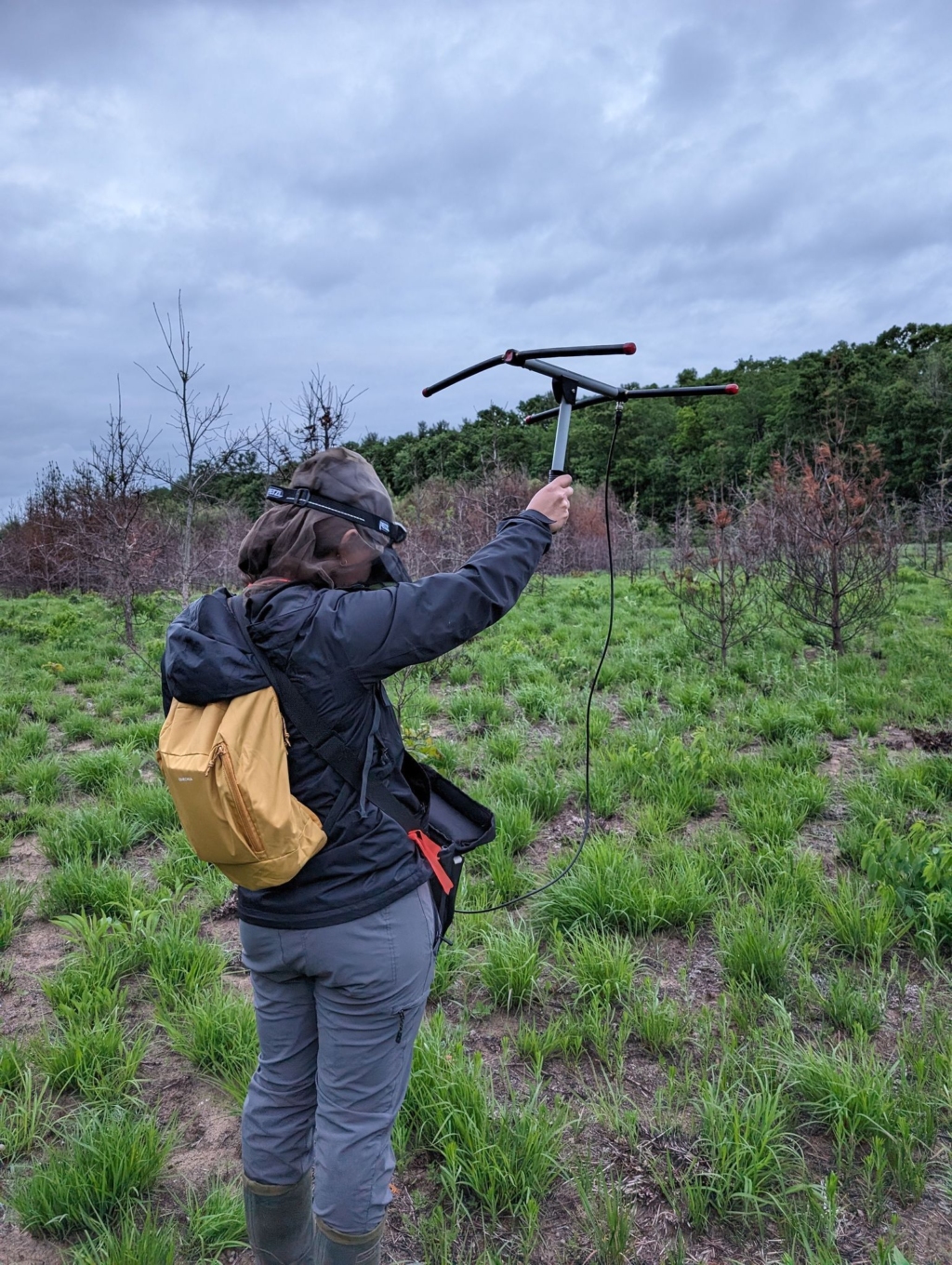
Photo: Natasha Barlow
From Science to Action
Science only creates impact when it is connected to action, which is why we firmly believe in sharing our knowledge generously, by leveraging technology and through collaboration. We work closely with scientists, governments, Indigenous communities, conservation organizations, universities, industry partners and local communities to understand how birds are responding to change and what they need to thrive. Through this collaborative approach, we turn research into practical conservation solutions, including land-use guidance, best management practices, and science-based advocacy to help decision-makers take action for birds.
Read how science goes to work within a year on the Canadian Prairies to incentivize opportunities to stem the loss of native grasslands through the Bird Friendliness Index, and how two decades of long-term monitoring led to critical habitat designated for the endangered Bicknell’s Thrush.
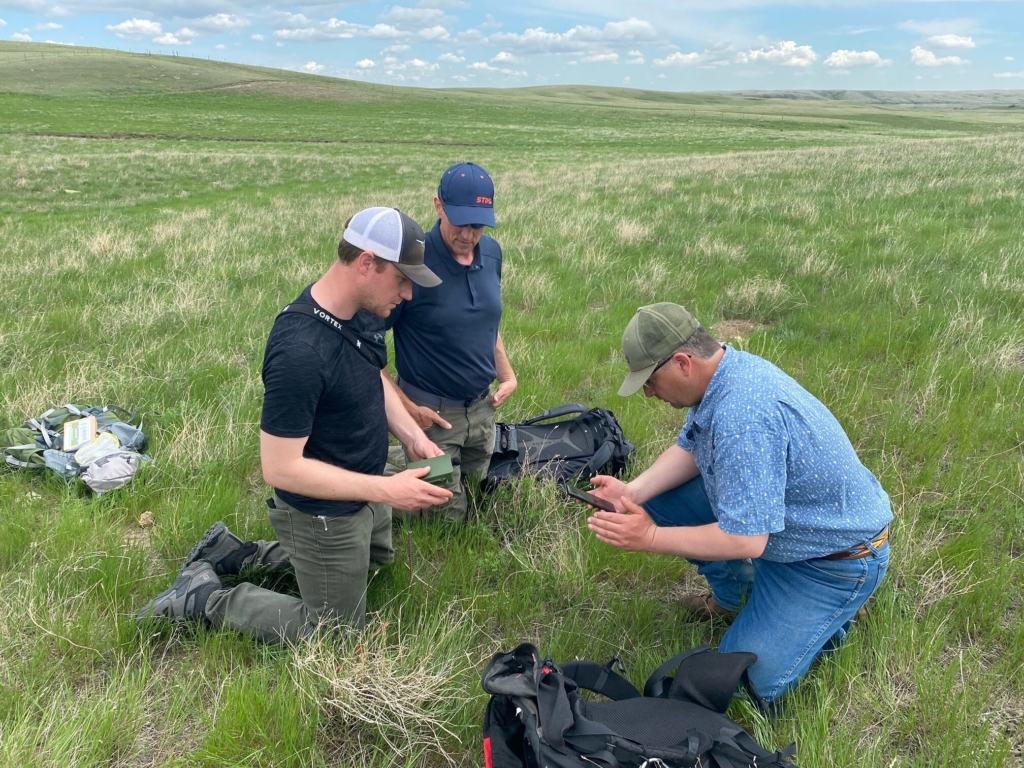
Photo: LeeAnn Latremouille
Mentoring Future Leaders
Science grows when knowledge is shared. A core part of our approach is training, mentorship, and creating opportunities for people of all experience levels to build their skills and contribute to conservation.
Our annual Young Ornithologists’ Workshop (YOW) has helped launch hundreds of careers in science and related fields. Graduates have gone on to become research leaders, conservation managers, policy advocates--champions for birds across universities, governments, industry and non-profit organizations.
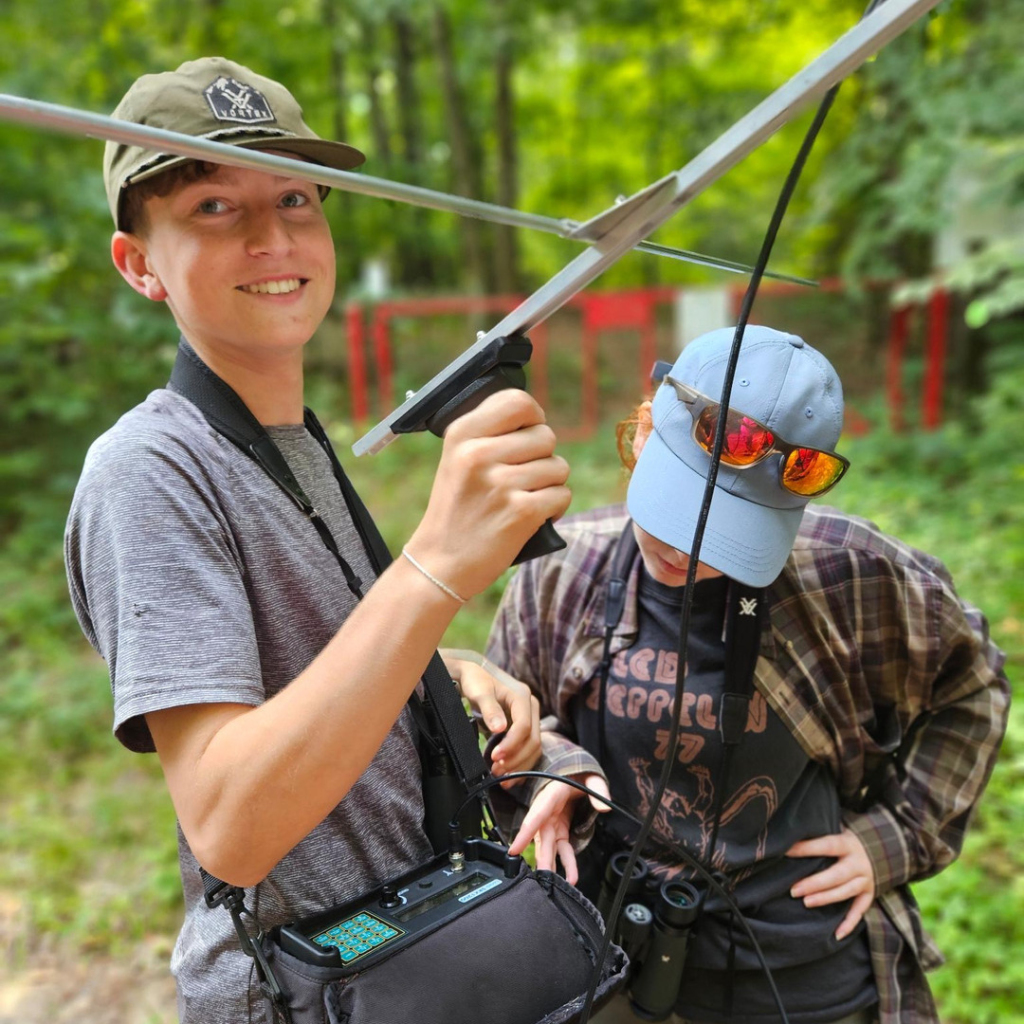
Photo: Kyle Cameron
Our Approach to Science
Learn more about how we uncover, unite, and act for birds.
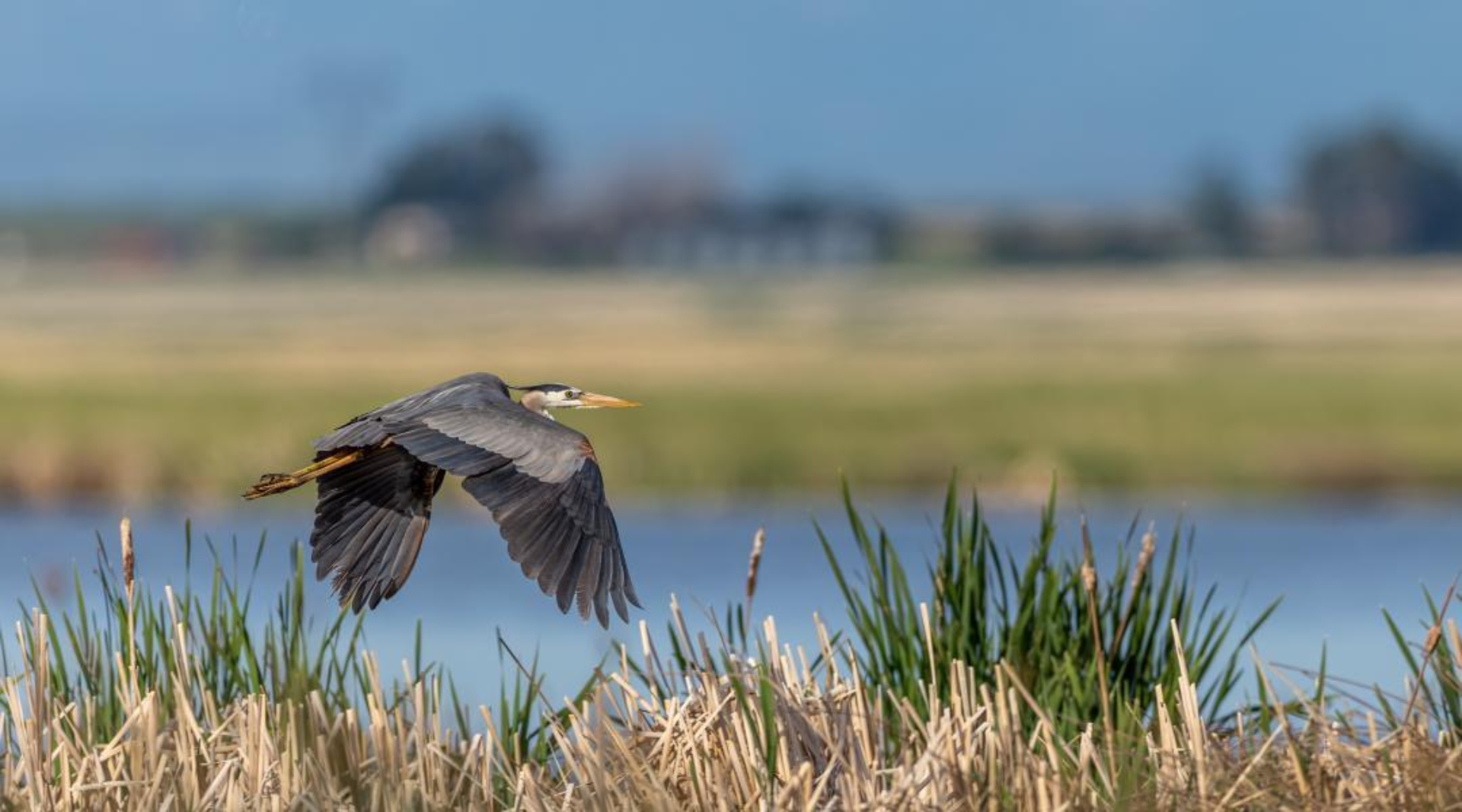
©Great Blue HeronPhoto: Angela Hindmarsh
Our work in action
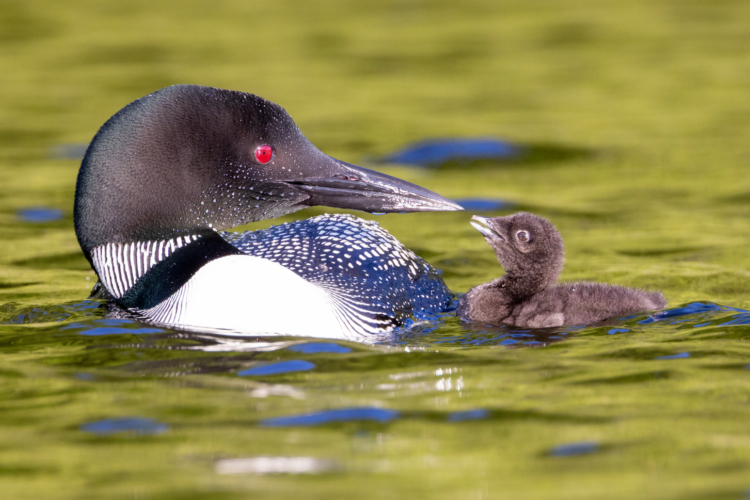
New Common Loon research uncovers a widespread decline and calls for action
The unprecedented international effort to understand and reverse declines in one of North America’s most iconic waterbirds.
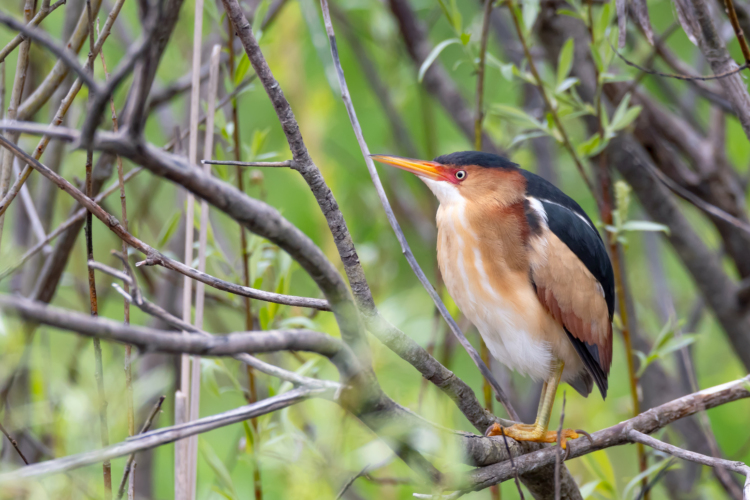
Birds Canada Science Critical for Great Lakes Coastal Wetland Bird Conservation
Birds Canada science has helped attract millions of dollars in recent funding to restore hundreds of hectares of threatened Great Lakes coastal wetlands for birds. Read on to see how data from our Great Lakes Marsh Monitoring Program and science-based recommendations from our Long Point Waterfowl and Wetlands Research Program have been critical for making this happen.