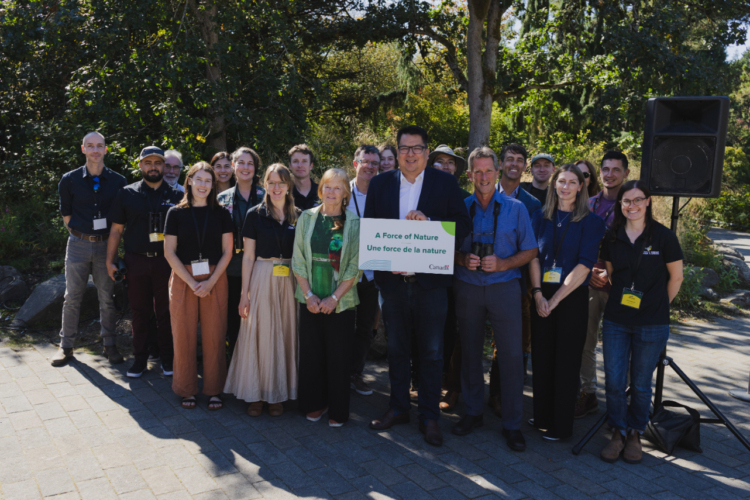
Celebrating the Joy of Birds and the Community that helps them Thrive
Government of Canada invests $2.6 million in bird monitoring – bolstering the impact of our volunteers
Media release
October 22, 2026 – Port Rowan, Ontario
For generations, the Common Loon has been an iconic symbol of Canada’s northern wilderness. Its haunting calls echo across our lakes and hold a special place in the hearts of so many. But a new study published in the journal, FACETS has uncovered a widespread decline in Common Loon productivity across North America. The research represents an unprecedented international effort to understand and reverse declines in one of North America’s most iconic waterbirds.
Remarkably, half of the data used in the study was collected by thousands of volunteers through Birds Canada’s Canadian Lakes Loon Survey. This is an extraordinary example of volunteers helping researchers - and the study itself is the product of a first of its kind, massive international collaboration between Common Loon researchers from coast to coast.
The declines are a warning that Common Loon populations are facing serious challenges. The most likely driving factor is climate change, which impacts loons in multiple ways, along with a suite of additional factors such as human disturbance and habitat loss due to development.
The results of the study are sobering. Common Loon chick production declined by a total of ~40% on average over the decades in 10 out of the 12 regions analyzed, with the total decline ranging from 14 to 74% over the years depending on the region and time period. Long-term declines were present in British Columbia, the Prairie provinces, Ontario, the Atlantic provinces, Washington, Wisconsin, New York, Vermont, New Hampshire, and Massachusetts. Only in Québec and Maine was chick production relatively stable or slightly increasing. The study’s main conclusion: chick production has decreased substantially over the past several decades throughout most of the monitored portions of the Common Loon’s breeding range.
Despite an uncertain future for the species, there is hope: there are actions we can all take now to help Common Loons that we know are effective, and Birds Canada and our collaborators are working hard to identify other actions to curb population declines. Birds Canada is now investigating whether widespread declines in chick production can be explained by changes in lake water clarity across the southern extent of the Common Loon breeding range.
“Even though chick production has decreased substantially over the past several decades all is not lost, some lakes still have high loon chick production and one reason for this is the care and management local volunteers provide to encourage healthy lake habitats and recreational behaviours that are beneficial to Common Loons. " - lead author, Dr. Matthew Fuirst, Birds Canada
“By analyzing more than 45,000 Common Loon nesting records from 12 regions across Canada and the U.S., we found that productivity has been declining steadily in many regions over the past several decades.” - co-author, Dr. Doug Tozer, Birds Canada
Facts:
- 30 -
About Birds Canada: Birds Canada is protecting the birds we love by engaging people through science. Together, with volunteers, donors, and collaborators across the country, we’re working towards a future where all bird species will thrive in healthy habitats.
Media: MediaValet folder with featured images and an Executive Summary
Associated Links:
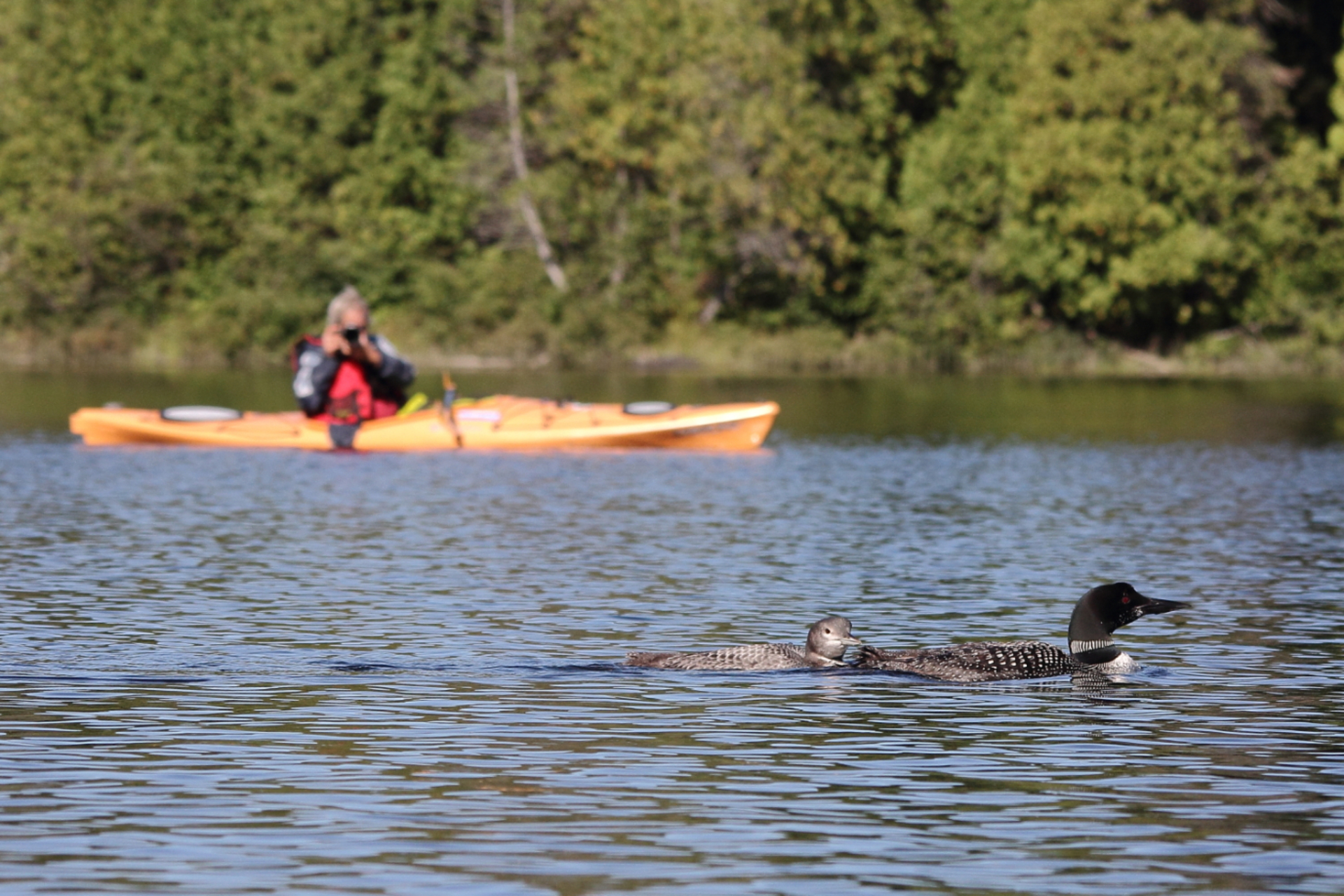
©Common LoonsPhoto: David Gignac
Sign up for Birds Canada’s newsletter to receive the latest stories, science, conservation news, and opportunities to get involved.
Government of Canada invests $2.6 million in bird monitoring – bolstering the impact of our volunteers

For well over a century, the Christmas Bird Count (CBC) has connected people with birds and nature while establishing one of the longest running wildlife datasets in the world. A renewed partnership agreement between National Audubon Society (Audubon) and Birds Canada reaffirms a shared commitment to this international collaboration, more than 125 years in the making.
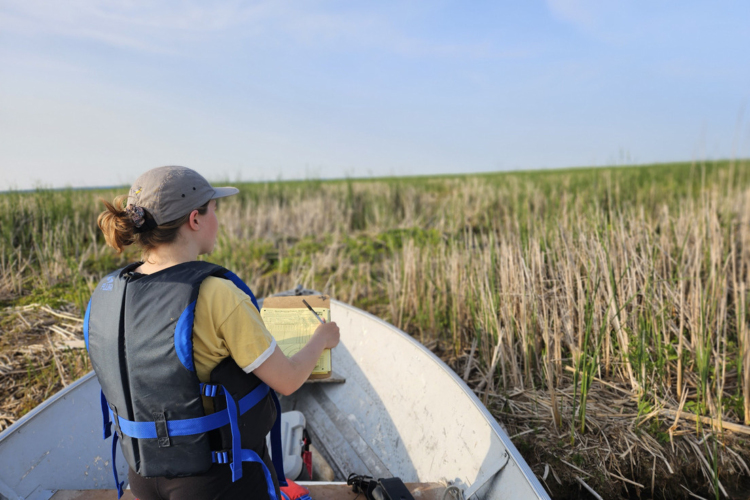
The Maritimes Marsh Monitoring Program will undergo a resurgence in Prince Edward Island this summer, thanks to funding from the PEI Wildlife Conservation Fund. Marsh bird species are notoriously difficult to detect, and this dedicated survey will be key to understanding the presence, distribution, and conservation needs of wetland birds on the island for years to come.