Skip to content

Birds Canada Science Critical for Great Lakes Coastal Wetland Bird Conservation 

Birds Canada science has helped attract millions of dollars in recent funding to restore hundreds of hectares of threatened Great Lakes coastal wetlands for birds. Read on to see how data from our Great Lakes Marsh Monitoring Program and science-based recommendations from our Long Point Waterfowl and Wetlands Research Program have been critical for making this happen. 

Why Great Lakes coastal wetlands? And why now? 

Marshes along the shores of the Great Lakes (i.e., coastal wetlands) are globally-renowned for birds. Of the 10 Ramsar Wetlands of International Importance within the Great Lakes watershed, nine are coastal wetlands due in large part to significant populations of migratory birds, including iconic birding hotspots like Point Pelee and Long Point. Coastal wetlands are dynamic environments and require regular, natural changes to remain healthy. High-quality bird habitat is created and maintained  by waves, drifting ice, fluctuating lake levels, and sediment transport, all of which are much more pronounced in coastal wetlands due to the large size of the adjacent lakes. These processes prevent wetlands from becoming stagnant, overgrown, or uniform, creating a dynamic mix of habitats that supports a greater diversity of birds. 

Unfortunately, the value of coastal wetlands is often overlooked resulting in 50–90% loss depending on the region. The remaining coastal wetlands face increasing threats, such as pollution, invasive species, urban sprawl, and the compounding effects of climate change. However, despite the challenges, these unique ecosystems support sizable populations of birds and other wildlife that need our help to thrive. 

Birds Canada science is key to protecting coastal wetlands

Luckily, our science has helped our partners and collaborators secure 20+ million in recent funding to restore 1000+ ha of threatened Great Lakes coastal wetlands throughout Ontario—that’s enough restored marsh to fill over 1400 sports fields or 5500 average-sized urban housing lots! The funding is mostly from the Government of Ontario’s Species Conservation Program and Wetlands Conservation Partner Program and the Government of Canada’s Great Lakes Freshwater Ecosystem Initiative. The restoration work will increase wetland bird habitat quality across several high-priority coastal wetlands, including: St. Luke’s Marsh on Lake St. Clair; Hillman Marsh on Lake Erie (here and here); and Cootes Paradise and Grindstone Creek, Cranberry and Lynde Creek, Oshawa Second, and Clarke Island marshes on Lake Ontario.  

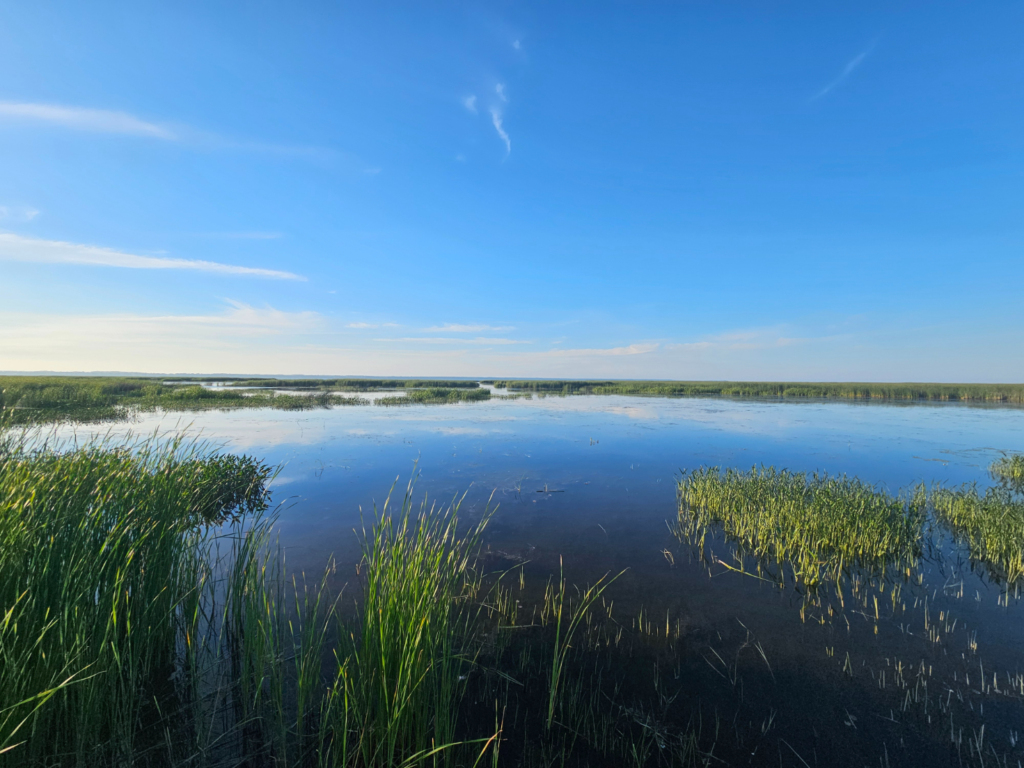
A blue sky reflected in the waters of a marsh
A restored Great Lakes coastal wetland, free of invasive Common Reed and vegetation patches separated by pools of open water: high-quality wetland bird habitat ready and waiting!

The wetland restoration work will:  

  1. Control non-native invasive Common Reed or Phragmites, which wetland birds avoid; 
  2. Convert large dense mats of vegetation into several smaller patches separated by pools of open water, which marsh birds love; 
  3. Reinforce protective barrier beaches and dikes to shield fragile marsh bird habitat from damage or destruction during ultra-extreme weather, such as record-high winds during record-high lake levels, which is expected to happen more often in the future with further climate change; and 
  4. Various other actions to benefit birds and other wildlife. 

Birds Canada science was critical in at least two ways for our partners and collaborators to secure this recent landmark funding to carry out this important on-the-ground work. First, they used data from our Great Lakes Marsh Monitoring Program, available through our open-data platform NatureCounts, to pinpoint where key wetland bird species occur, particularly species of conservation concern like Least Bittern and King Rail. This ensured that the restoration work occurs where it is needed the most. Second, they used science-based recommendations published by Birds Canada staff and our valued co-authors, and made possible by our Long Point Waterfowl and Wetlands Research Program, to justify and guide their wetland restoration techniques. This ensured that the restoration work is done in ways that benefit wetland birds the most. 

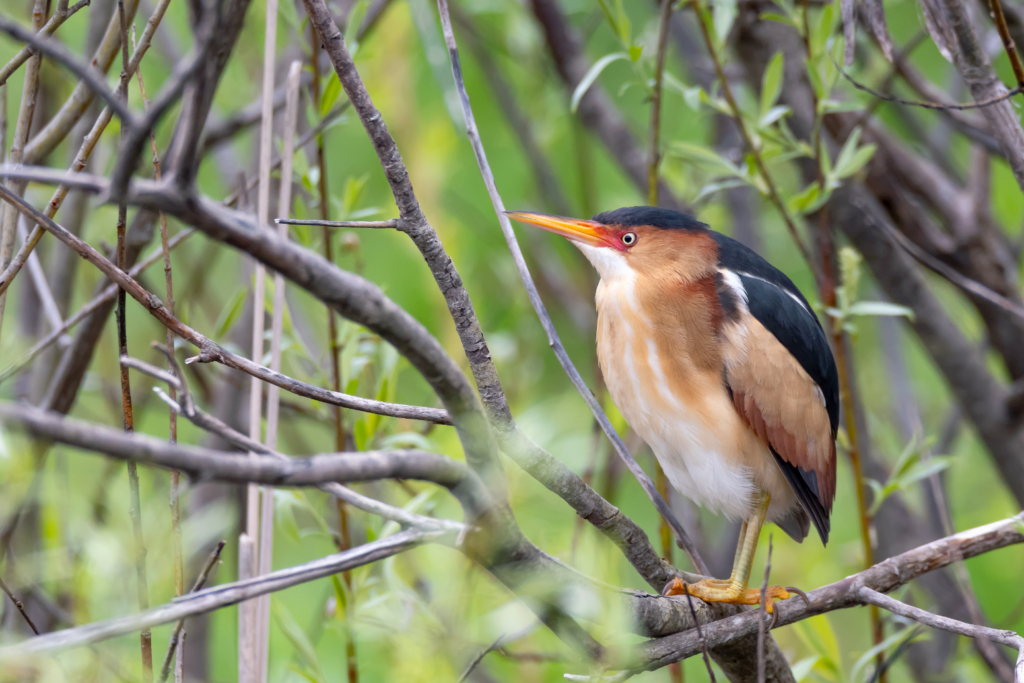
A Least Bittern perched in a tree

From our partners and collaborators 


“Birds Canada’s Great Lakes Marsh Monitoring Program has been extremely helpful for documenting the effectiveness of our coastal wetland restoration work to date, and for making the case to continue and expand this important work, particularly for Species at Risk” 

—Tÿs Theijsmeijer, Royal Botanical Gardens’ Senior Director of Ecosystem Stewardship Programs and Policy 


“Information from Birds Canada’s Great Lakes Marsh Monitoring Program, along with Birds Canada’s associated research and guidance documents, have been extremely valuable to us for demonstrating the ecological importance of our coastal wetlands and helping guide our restoration priorities” 

—Dan Moore, Central Lake Ontario Conservation Authority’s Senior Ecologist, Environmental Monitoring and Ecosystem Science 


“Data from Birds Canada’s Great Lakes Marsh Monitoring Program and recommendations from Birds Canada’s scientific publications were instrumental in helping us with successful funding applications by showing that our coastal wetland restoration projects provide critical habitat to increase biodiversity of a suite of wetland bird species in addition to waterfowl, including those at risk” 

—Craig Berga, Ducks Unlimited Canada’s Head of Conservation Programs, Ontario 

What’s next?

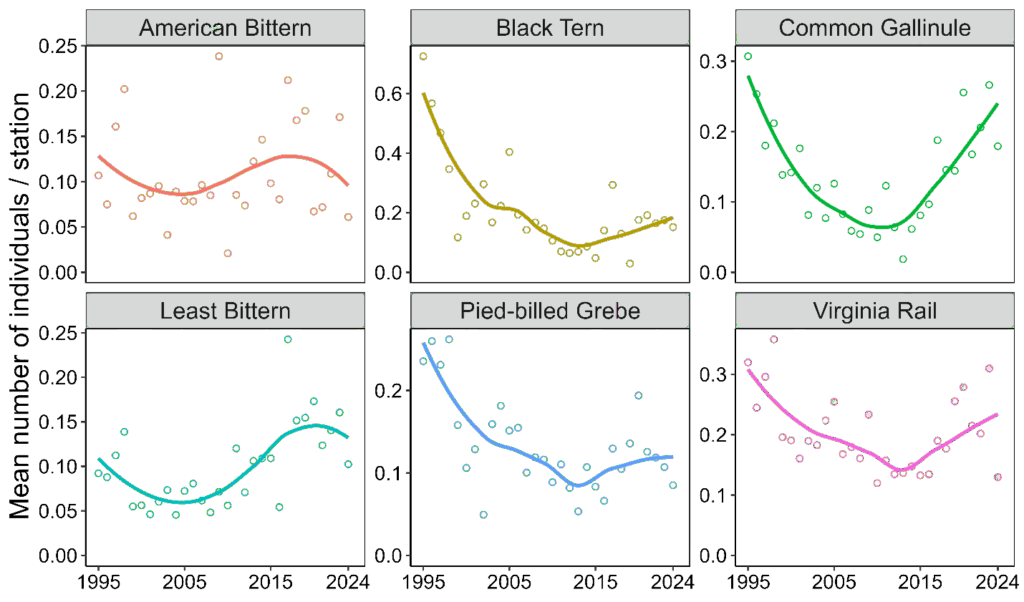
Good news: after decreasing for many years, the abundance of multiple bird species of conservation concern has been increasing in Great Lakes coastal wetlands over the past decade or so (see graphs below; and visit here for more details). 

Birds Canada is currently working with our partners and collaborators to develop an enhanced version of the Great Lakes Marsh Monitoring Program bird survey protocol that’s even more effective for tracking success of their wetland restoration work for birds. 

Using the new and improved methods, we look forward to reporting even more increases in bird abundance in coastal wetlands in the near future as a result of on-the-ground restoration work. 

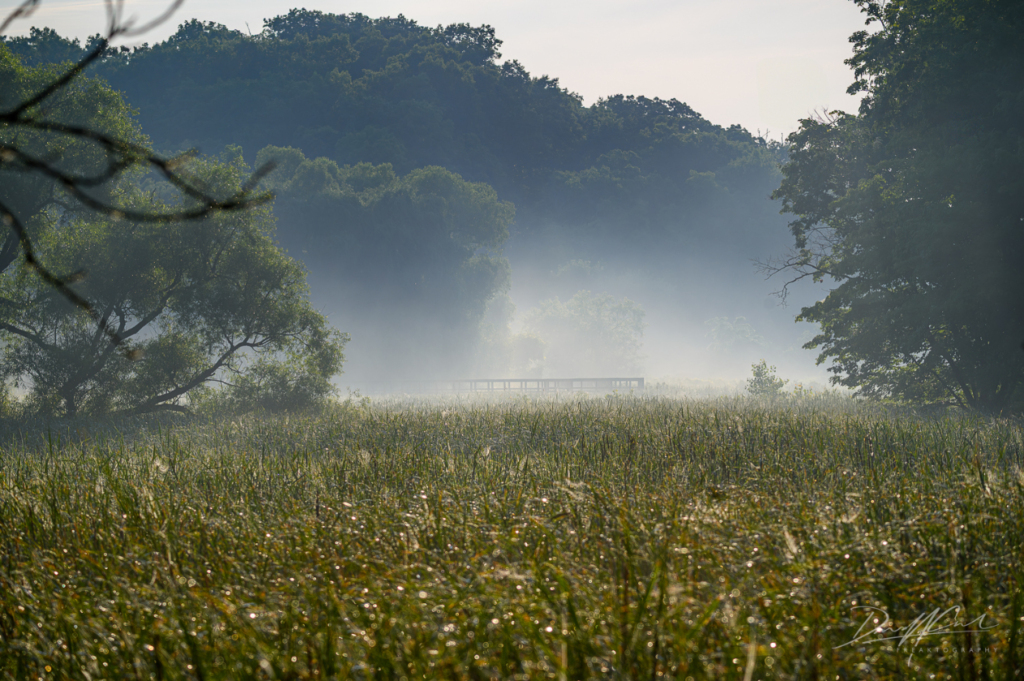
A thick mist hangs over a marsh

A big thank you! 

We simply could not have accomplished all of this without the valued effort of our volunteer surveyors, so thank you very much to each of you for your dedicated support of, and participation in, the Great Lakes Marsh Monitoring Program. Birds Canada’s wetland bird conservation work has also benefited immensely from ongoing financial support, for which the following have been essential: Environment and Climate Change Canada, Wildlife Habitat Canada (primarily from funds generated by the purchase of Canadian Wildlife Habitat Conservation Stamps by waterfowl hunters), Ducks Unlimited Canada, Black Duck Joint Venture, Eastern Habitat Joint Venture, and private donors. We have also benefited from dozens and dozens of other supporters over the years for which we are truly grateful. 

How you can help 

  • Donate to Birds Canada here, so we can make even more progress on restoring wetlands for birds 
  • Learn to identify wetland birds in the Great Lakes by watching free educational videos from Birds Canada’s Great Lakes MarshWatch: the more you know, the more we can work together to help birds 
  • Participate in Birds Canada’s Great Lakes Marsh Monitoring Program, or any of our other Marsh Monitoring Programs in southern British Columbia, southern Quebec, or the Maritimes here 
  • Purchase a Canadian Wildlife Habitat Conservation Stamp, which goes to Wildlife Habitat Canada, a national charity that provides funding for wetland restoration projects that benefit migratory birds throughout the Great Lakes and across Canada here 
  • If you’re a landowner with a suitable property, consider restoring your own wetland for birds with help and guidance from Ducks Unlimited Canada here 
  • Every marsh bird matters: your voice makes a difference, so please speak up and send a powerful message for conserving wetland birds and their habitats 
Six line graphs showing an index of abundance for each of six wetland bird species of conservation concern from 1995 to 2024. In each graph, you see a downward trend from 1995 to about mid-way through the period, and then an increasing trend thereafter.

The abundance of at least six wetland bird species of conservation concern has increased in Great Lakes coastal wetlands over the past decade or so. Shown for each species (panels) is an index of abundance (vertical axis) for each year (circles) from 1995 to 2024 (horizontal axis). Source: Birds Canada’s Great Lakes Marsh Monitoring Program. 

Director, Waterbirds and Wetlands
Doug Tozer, Ph. D.

I’ve been hooked on birds ever since I can remember. For example, as a kid I got (a bit) annoyed when my family went on holidays to Disney World, because it meant I missed Canada Jay nest-finding with my Dad for a research project in Algonquin Park. Naturally, my academic and professional career has focused on developing workable conservation solutions for birds, and raising awareness of the importance of these animals. Currently, I work on waterbirds and wetlands by directing the Great Lakes Marsh Monitoring Program, Canadian Lakes Loon Survey, and Long Point Waterfowl and Wetlands Research Program.

Volunteer Manager and Biologist, Ontario Programs, Canadian Lakes Loon Survey & Great Lakes Marsh Monitoring Program
Kathy Jones

I am an avid supporter of conservation, habitat stewardship, and biodiversity, in the strength of grassroots community actions, and that each individual can make a difference. I spent my childhood in Long Point, Ontario next to the Big Creek National Wildlife Area. There I formed a great love for boating, wetlands, wildlife, and all things aquatic. I hold an H.B.Sc. in Wildlife Ecology and Environmental Studies from the University of Guelph, a M.Sc.F in Wildlife Management from Lakehead University and Volunteer Management accreditation from Humber College. Past work in tourism, retail, raptor and duck research and data management as well as experience collaborating with Citizen Scientists has led me to my present job. My three beautiful and almost adult children have taught me that yes, your beliefs can be instilled in the next generation and that this is hope for our future.

Stay Connected with Birds Canada

Sign up for Birds Canada’s newsletter to receive the latest stories, science, conservation news, and opportunities to get involved.

Discover More Articles Like This

All Articles
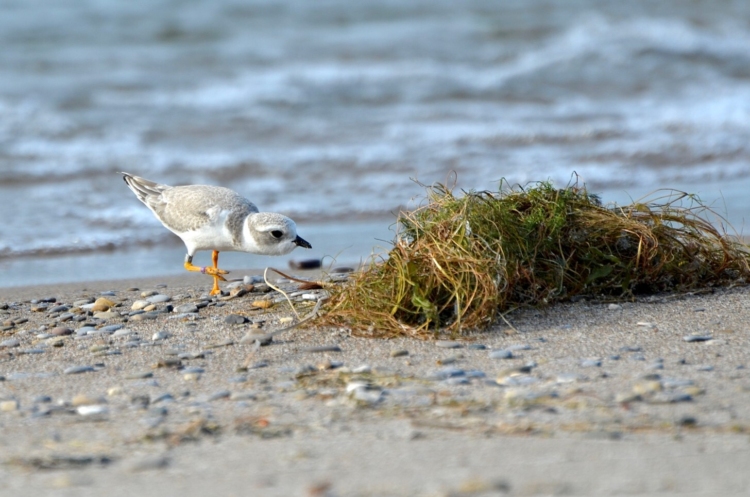
A Piping Plover forages on a rocky beach
October 6, 2026

A homecoming for Piping Plovers on Lake Erie – nearly 50 years in the making

More than a century of conservation efforts paid off this spring, when a pair of Piping Plovers established a nest at Long Point for the first time since 1977. For nearly 50 years, birders, scientists, and nature lovers have eagerly awaited the return of nesting Piping Plovers to the Canadian shores of Lake Erie. Read on to learn just how significant this return is, and why it gives us hope for the future.
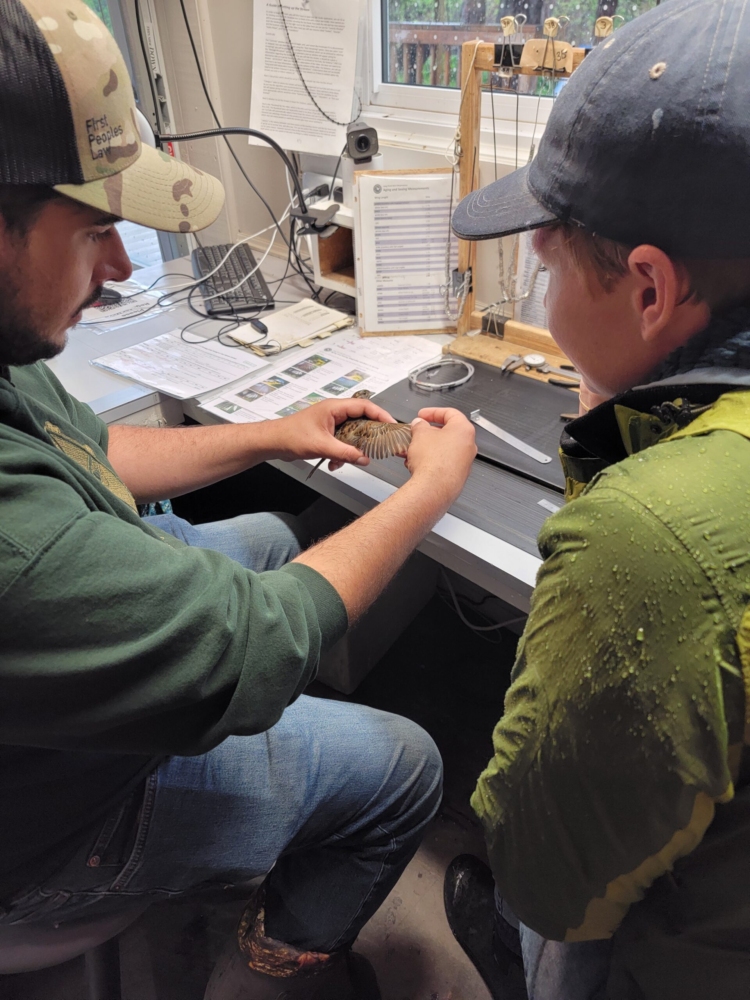
A workshop participant observes a bird banding demonstration.
July 21, 2026

A Relationship Taking Flight: Timiskaming First Nation

Strong partnerships are at the heart of effective bird conservation, and the growing relationship between Timiskaming First Nation (TFN) and Birds Canada embodies that spirit.

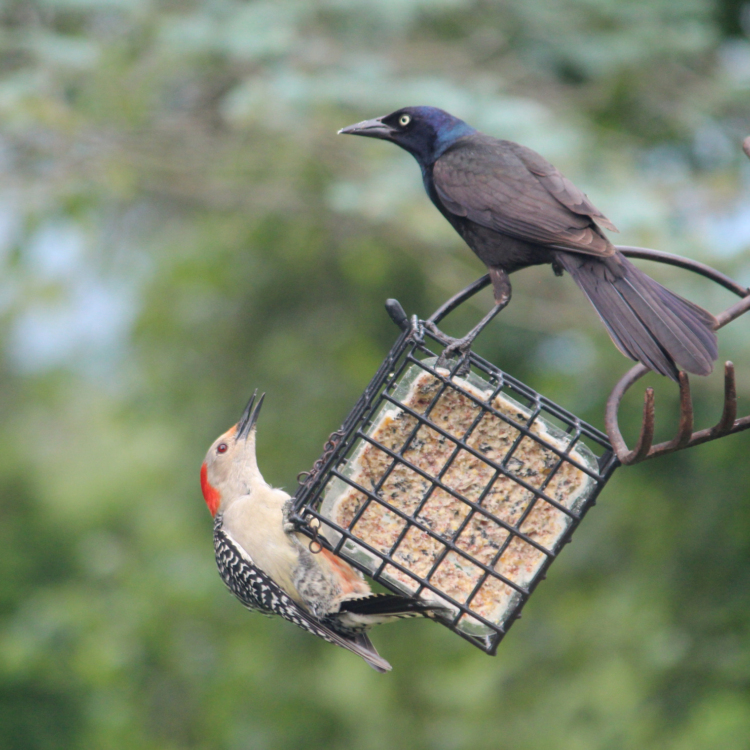
A Red-bellied Woodpecker and a Common Grackle at a suet feeder.
July 14, 2026

Best Practices for Feeding Birds in North America

An important part of welcoming birds to your outdoor space is to provide feeders and birdbaths safely. Here are our guidelines.