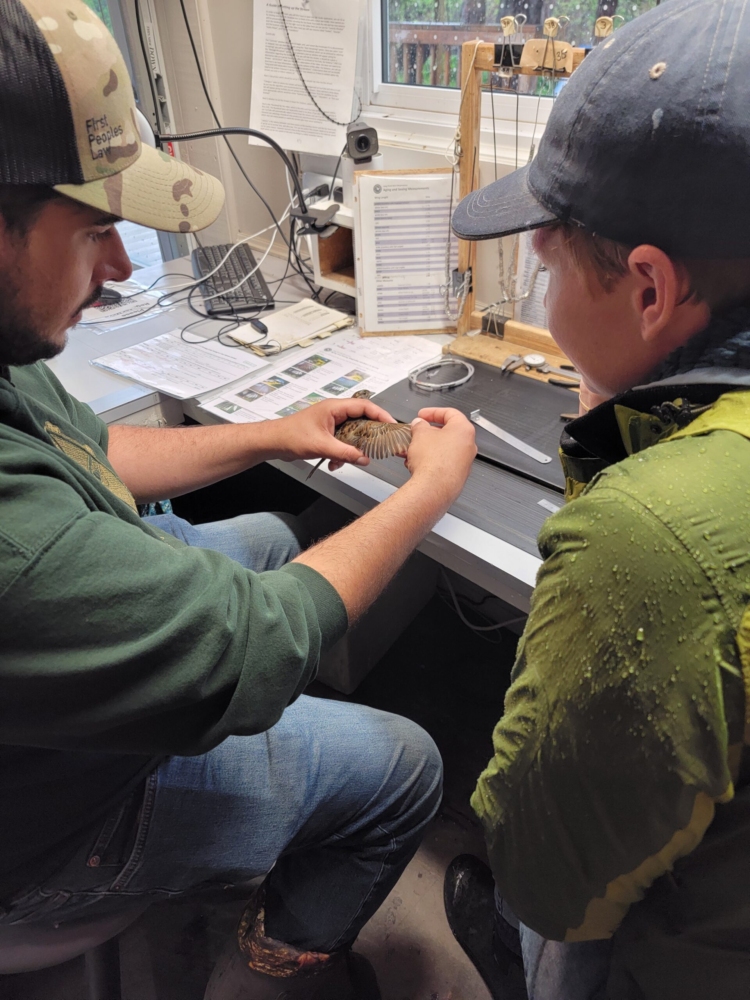
A Relationship Taking Flight: Timiskaming First Nation
Strong partnerships are at the heart of effective bird conservation, and the growing relationship between Timiskaming First Nation (TFN) and Birds Canada embodies that spirit.
More than a century of conservation efforts paid off this spring, when a pair of Piping Plovers established a nest at Long Point for the first time since 1977. For nearly 50 years, birders, scientists, and nature lovers have eagerly awaited the return of nesting Piping Plovers to the Canadian shores of Lake Erie. Read on to learn just how significant this return is, and why it gives us hope for the future.
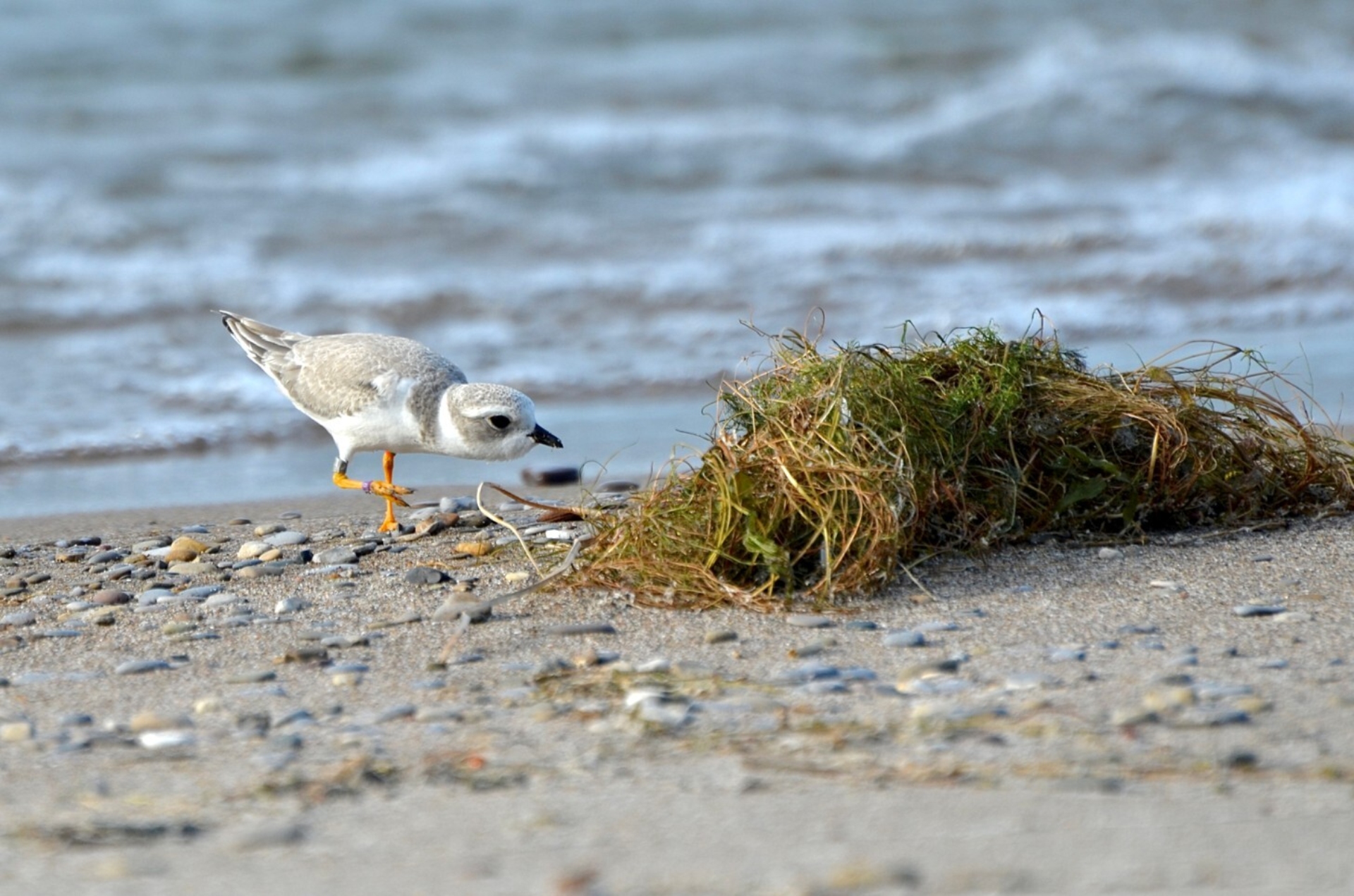
©Piping PloverPhoto: Max Hellicar
©Piping PloverPhoto: Max Hellicar
Long Point was once a bustling hub for Piping Plovers with as many as 50-100 pairs at a time, each raising their chicks along the 40km stretch of sandy shoreline.
However, throughout the 20th century, hunting, human disturbance and habitat loss pushed these small shorebirds to the brink. After the last confirmed nest at Long Point in 1977, Piping Plovers disappeared from Ontario entirely.
Thirty years later, a pair returned to Sauble Beach on Lake Huron, some 300kms away from Long Point, which sparked the beginning of a new era: Piping Plover pairs began to speckle the beaches across Ontario, thanks to decades of conservation work in the United States. But Long Point remained plover-free… At least until now.
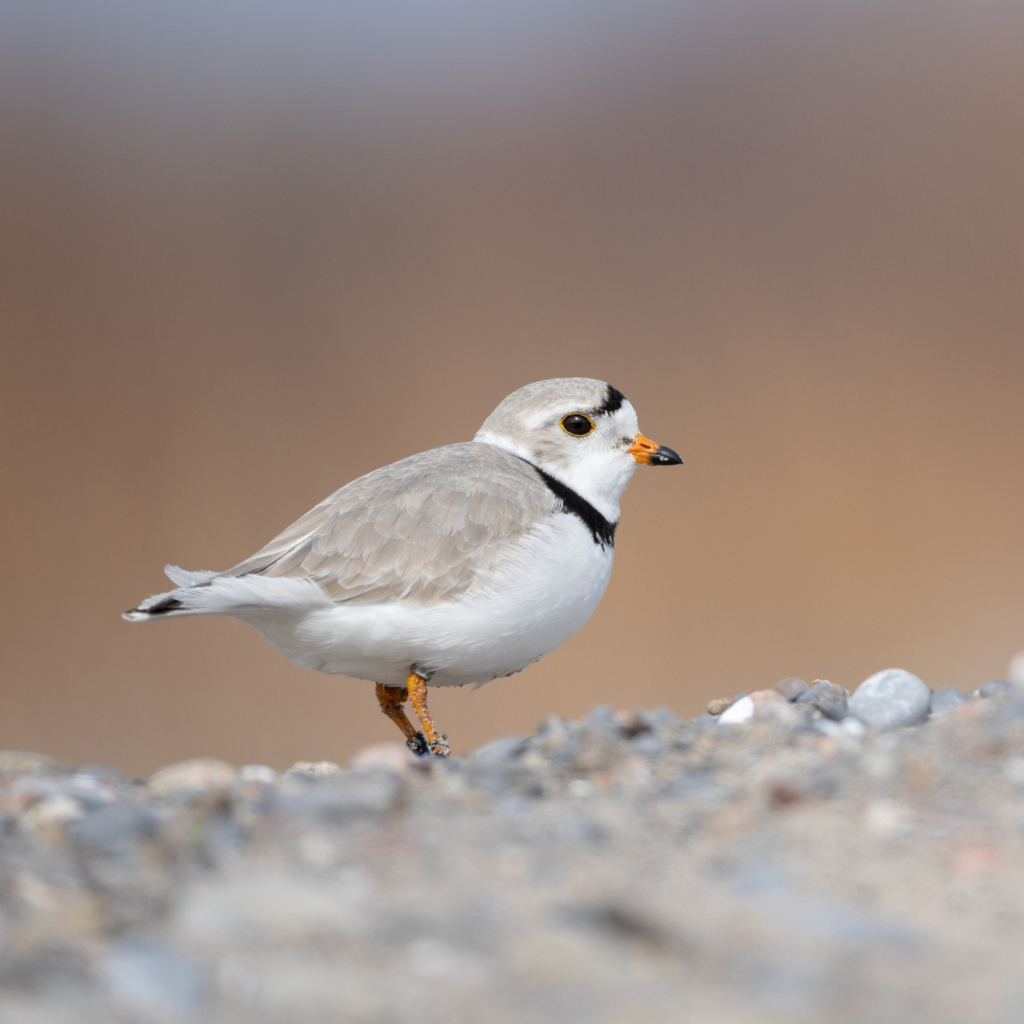
©Piping PloverPhoto: Christine Rice
Each spring, Birds Canada’s Long Point Bird Observatory (LPBO) welcomes dozens of researchers and budding young ornithologists, along with hundreds of birders that flock to the area to witness an incredible migration of warblers, waterfowl and shorebirds.
At three research stations on Long Point, staff and volunteers conduct daily surveys each spring and fall to monitor passing migratory birds. As our team surveys the beaches of Long Point each year we hope that that maybe, just maybe, this will be the year a pair of Piping Plovers stick around to breed.
There is a long history of lonely male plovers wandering Long Point, waiting for a mate that never comes. The 2026 season began the same way – with a lonely male. We’ll refer to him by the code on his band: L338, was observed on April 29th near Old Cut by LPBO staff and collaborators. This male hatched from Presque Isle State Park in Pennsylvania in 2025 and was searching for a home and mate for the first time. On May 4th, 2026, he was spotted again at the Tip of Long Point, all alone. After many long days, on May 19th, another Piping Plover finally arrived – a female, B080, who hatched last year at a remote site in Ontario.
It wasn’t “plove” at first sight! With up to a dozen other Piping Plovers stopping in and causing a fuss along the southern shore of Long Point through the spring, it took time for the pair to find each other. However, on May 24th, scrapes in the sand were finally observed, and on May 30th, the first of four eggs was laid. Nest protection was promptly installed to reduce predation risk at the nest, then we crossed our fingers and patiently waited.
Trail camera image from the nest – June 11, 11:16am – Male incubating eggs inside nest exclosure. Exclosures protect the eggs and incubating adults from predators like gulls, crows, and raccoons.
If there is one thing we have learned through working with Piping Plovers, is that sometimes, despite what we may wish for, nature doesn’t always cooperate. Lake Erie is known for its extreme seiches, an effect similar to water sloshing in a bathtub where water levels on either side of the lake can significantly rise or drop with sustained winds. In the early morning hours of June 18th, a seiche brought high waters that flooded the nest.
“The elation of discovering the first egg in late May was rivalled by the sombreness of finding the nest washed out the following month. Despite watching the pair do everything right and doing everything in our power to aid their success, the nest failure was a stark reminder of how brutal the Great Lakes can be,” said Max Hellicar, LPBO Field Operations Coordinator.
Severe weather events are an ongoing challenge for the recovery of Piping Plovers, and one that we cannot always mitigate. By late June, the pair had left the beach, leaving us to wonder if they’ll return next year.
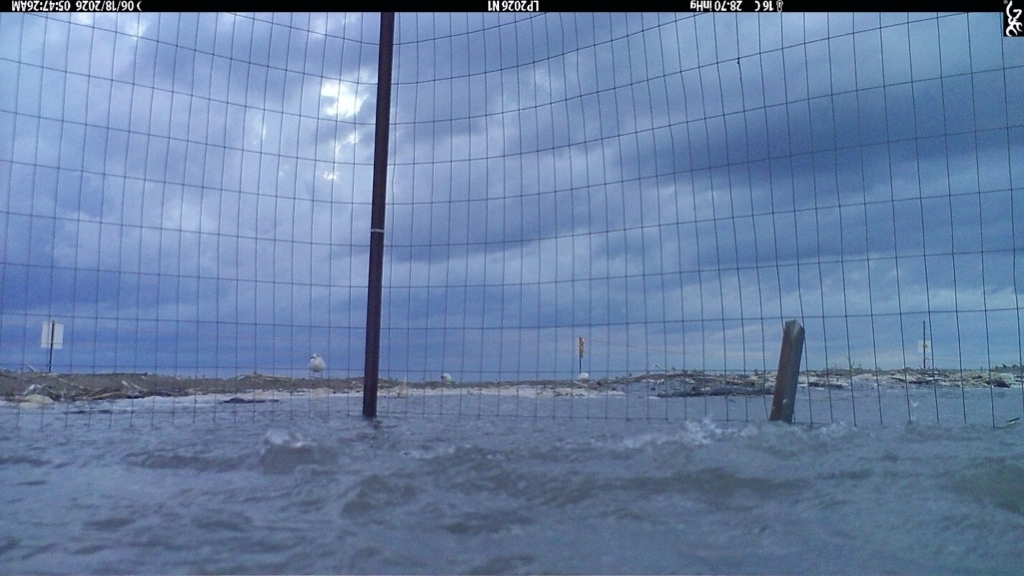
Trail camera image from the nest – June 18, 5:47am – Nest washout
At first glance, it is easy to view this outcome as the end of the story, but it is only the beginning. Piping Plovers show strong site fidelity, meaning they often return to the same places year over year. We also know that Piping Plovers like to go to places where there are other plovers: where there is one pair, more often follow.
This means that despite the nest failing, the pair that called Long Point home in 2026, as well as the transient birds that were observed there throughout the year, have developed an attachment to the beach and may return in the future.
This year, at least ten unique Piping Plovers were observed on Long Point. On August 4th, a remarkable five individuals were observed at the Tip, all at once!
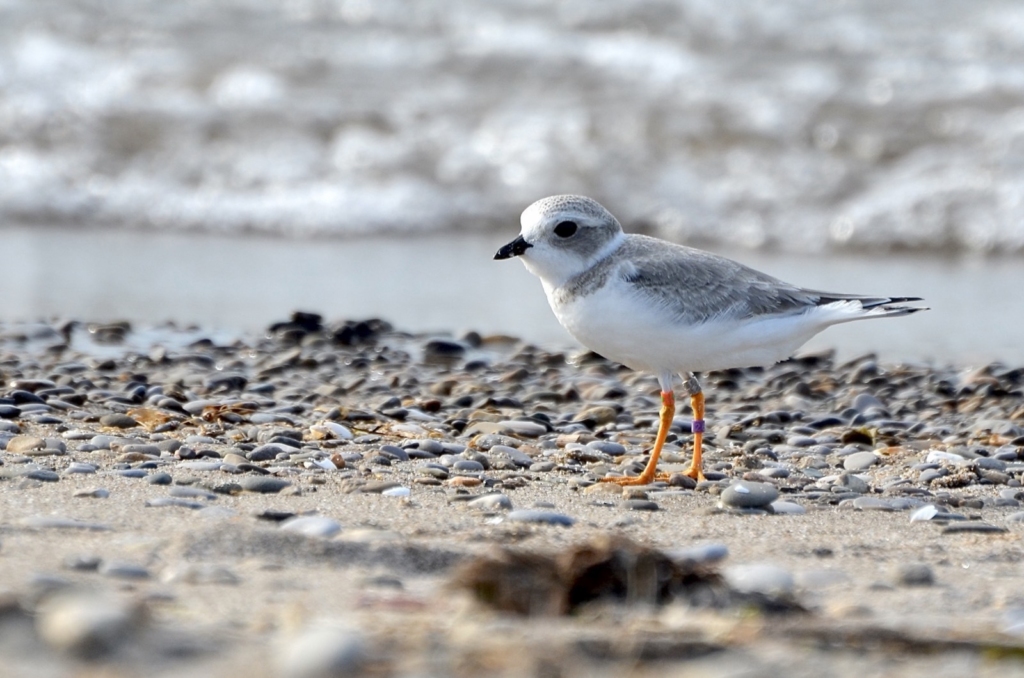
©Piping PloverPhoto: Max Hellicar
“Sitting on the dune at the cabin, watching and listening to five Piping Plovers forage and interact along the beach was a surreal and exceptional experience. It’s remarkable to think that Piping Plovers may yet again return to being a regular part of life on Long Point,” said Stu Mackenzie, Director of Innovation and Asset Development, who first saw a lonely Piping Plover on Long Point 26 years ago.
Perhaps the most exciting piece of this return is the potential it holds. An active nest at Long Point is just the beginning of what we hope will be an expansion of Piping Plovers to nearby historic habitat, such as Rondeau Provincial Park and Point Pelee. Piping Plovers hold relatively large territories, meaning many of the beaches where they currently nest in Ontario only offer enough suitable habitat for one or two pairs. Because so much of Long Point has remained protected for over 50 years, its capacity to support the recovery of Piping Plovers is significant.
2026 was a record year for the Great Lakes Piping Plover population, with 99 pairs producing 160 wild fledglings; the highest counts of each recorded since the species was first listed as endangered. In Ontario, it was our most successful year since 2022, with 7 pairs and 9 confirmed fledglings. The return of Piping Plovers to Long Point and a record year for the wider population should give us all hope for the future of the birds we love so much.
Much of the important habitat at Long Point remains intact and suitable today thanks to the conservation efforts of landowners like Birds Canada, Canadian Wildlife Service, The Long Point Company, Ontario Ministry of Natural Resources, and The Nature Conservancy of Canada.
Birds Canada coordinates both the Long Point Bird Observatory and the Ontario Piping Plover Conservation Program.
My love of nature started by listening to the dawn chorus as the nylon tent heated up, followed by an afternoon sitting in the first row of an interpretive nature program. I firmly believe that by bridging science with outreach and education, we can foster communities of stewards and tackle environmental goals together. I am grateful to work with Birds Canada on the Ontario Piping Plover program and see the synergy between scientific research and community action every day.
As someone who grew up camping and exploring nature, I’ve loved the outdoors for about as long as I can remember. After taking an ornithology course as a Fish and Wildlife Technology student, bird conservation suddenly came into focus as a passion and a fulfilling career path. Piping Plovers stole my heart instantly during my first contract with Birds Canada in 2023, and I’m grateful to have the chance to continue working alongside such a passionate team to further their recovery in the Great Lakes.
I began exploring the natural world while in the womb, and have been birding since the age of two. In my current role, I’m responsible for the Motus Wildlife Tracking System, Long Point Bird Observatory, Thunder Cape Bird Observatory, and aspects of the Canadian Migration Monitoring Network. I hold degrees from the University of Guelph and Western University. Formerly, I served as President of the Ontario Bird Banding Association and Chair of the North American Banding Council. I live in Port Rowan with my wife and two children.
Sign up for Birds Canada’s newsletter to receive the latest stories, science, conservation news, and opportunities to get involved.
Strong partnerships are at the heart of effective bird conservation, and the growing relationship between Timiskaming First Nation (TFN) and Birds Canada embodies that spirit.
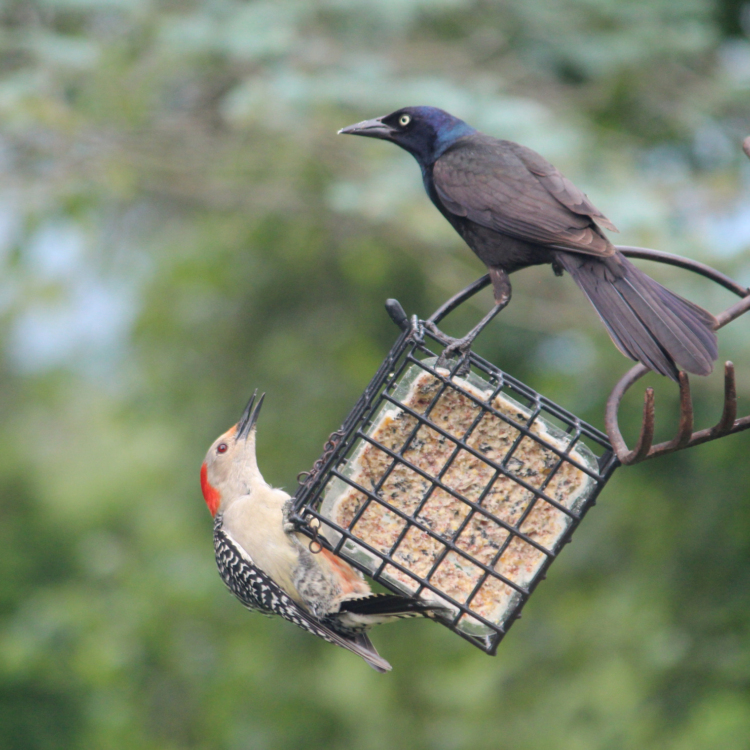
An important part of welcoming birds to your outdoor space is to provide feeders and birdbaths safely. Here are our guidelines.
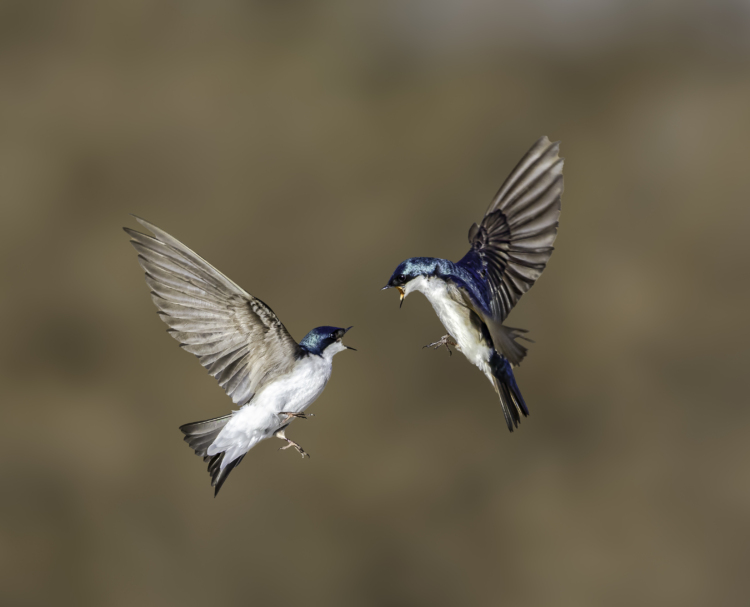
Many bird species time their migration and breeding activities to coincide with insect emergence. However, under a changing climate, this perfect timing doesn’t happen as often. A recent study using long-term data from LPBO demonstrated that Tree Swallows are breeding earlier as temperatures warm over time.