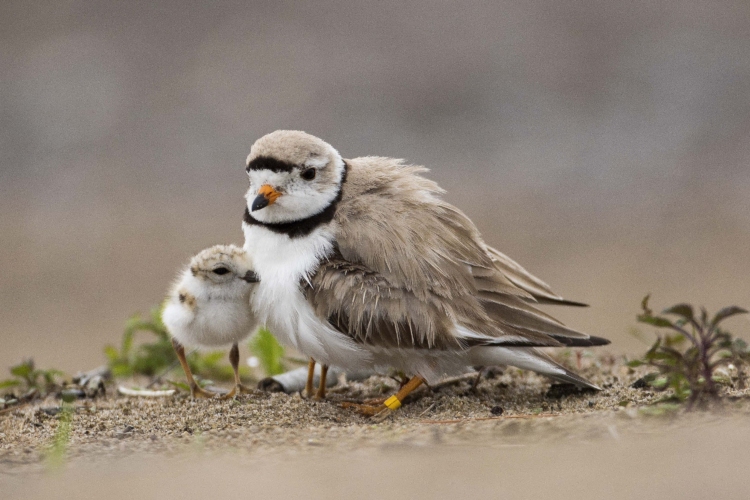
Piping Plover Conservation Program
April - August
Anyone that lives near a Piping Plover beach - and loves the sun and sand - can help with a mix of monitoring and stewardship.
Shorebirds need to rest and refuel before their marathon migrations - your neighbourly actions play a huge role in helping them thrive.
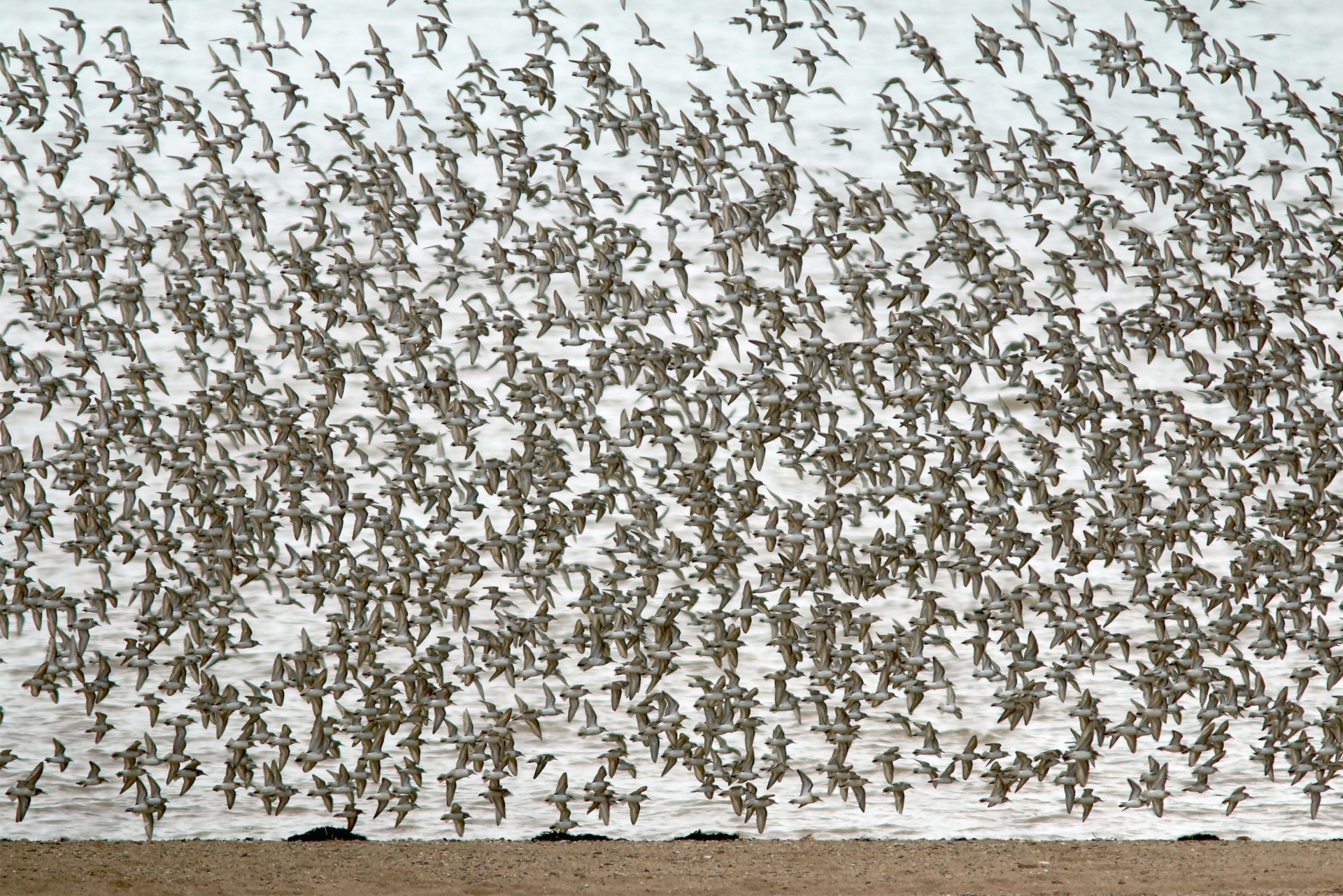
©Semipalmated SandpipersPhoto: Jared Clarke
©Semipalmated SandpipersPhoto: Jared Clarke
When Semipalmated Sandpipers land in the Bay of Fundy in August, they need to double their weight before flying across the ocean to South America. The Space to Roost program helps them rest and refuel before their big flight. A little awareness goes a long way for this migratory shorebird whose population is in steep decline.
Home to some of the largest shorebird flocks in Canada, the Bay of Fundy is a renowned fall migration stopover site for Semipalmated Sandpipers. The Space to Roost program uses stewardship strategies to provide safe beaches for shorebirds to rest during peak migration in August. While here, these sparrow-sized sandpipers must double their weight before launching a 3-day, non-stop flight across the Atlantic Ocean to South America. Too much disturbance means too little rest and loss of critical fuel reserves needed to survive. Learn how you can take action to support resting flocks at important shorebird beaches.
From mid-July to mid-September, migrating shorebirds need calm beaches with as little disturbance as possible to help them build fuel reserves for their epic flight to South America. Shorebirds are most sensitive to disturbance from 2 hours before to 2 hours after high tide while they rest, or “roost” on the beach.
Semipalmated Sandpipers (Calidris pusilla) are small migratory shorebirds with a mottled grey-brown head and back, a white belly with faint streaks on their breast, and dark-coloured bill and legs. They breed in the Arctic in the summer and spend winters in South America. The global population is estimated at 12 million individuals, up to 74% of which stop in the Bay of Fundy during their fall migration, where they double their body weight to prepare for a 3-day non-stop flight over water. To accomplish this, they eat continuously while the tide exposes the mudflats, and when the tide rises, they roost in dense groups to conserve energy.
Despite their incredible resilience, Semipalmated Sandpiper populations in Canada have declined by 68% since the 1970s. Like many shorebirds, they face pressures from habitat loss, climate change, and disturbance at important migration stopovers. Fortunately, reducing disturbance is something we can all help with. By giving resting flocks space, keeping dogs leashed, staying off sensitive shorelines and mudflats, and respecting local guidance, we can help ensure these birds have the time and energy they need to complete one of the most extraordinary migrations on Earth.
To find out more or get involved, please reach out!
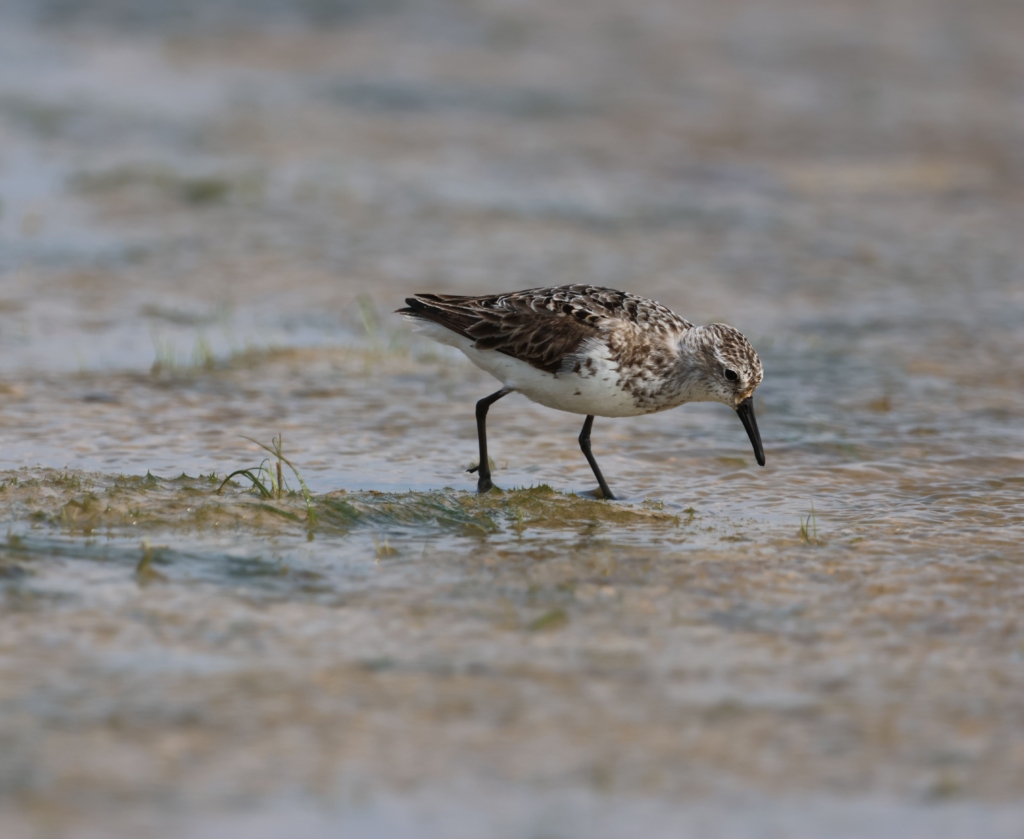
©Semipalmated SandpiperPhoto: Cléa Frapin
Sign up for Birds Canada’s newsletter to receive the latest stories, science, conservation news, and opportunities to get involved.
Anyone that lives near a Piping Plover beach - and loves the sun and sand - can help with a mix of monitoring and stewardship.