Join This Season
SwiftWatch
May - September
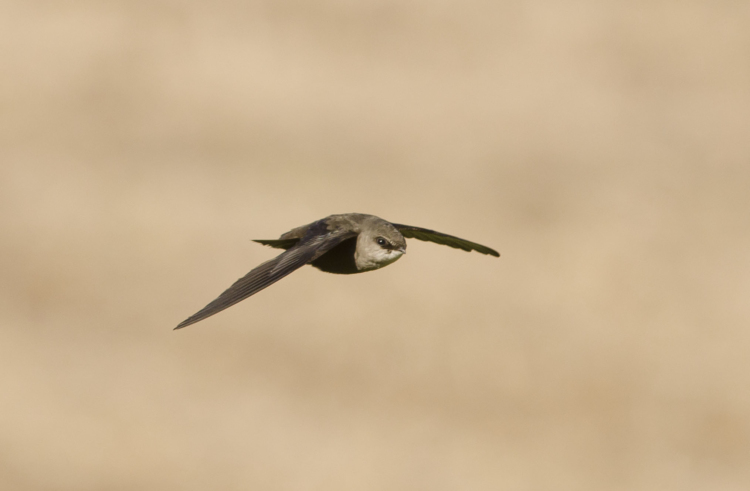
A flexible solo or group activity that can take place any time from dawn till dusk. Counting Chimney Swifts is quick to learn and the birds are delightful to observe.
Counting birds at your feeder this winter is an easy, flexible opportunity - open to all skill levels and a great way to learn bird identification.
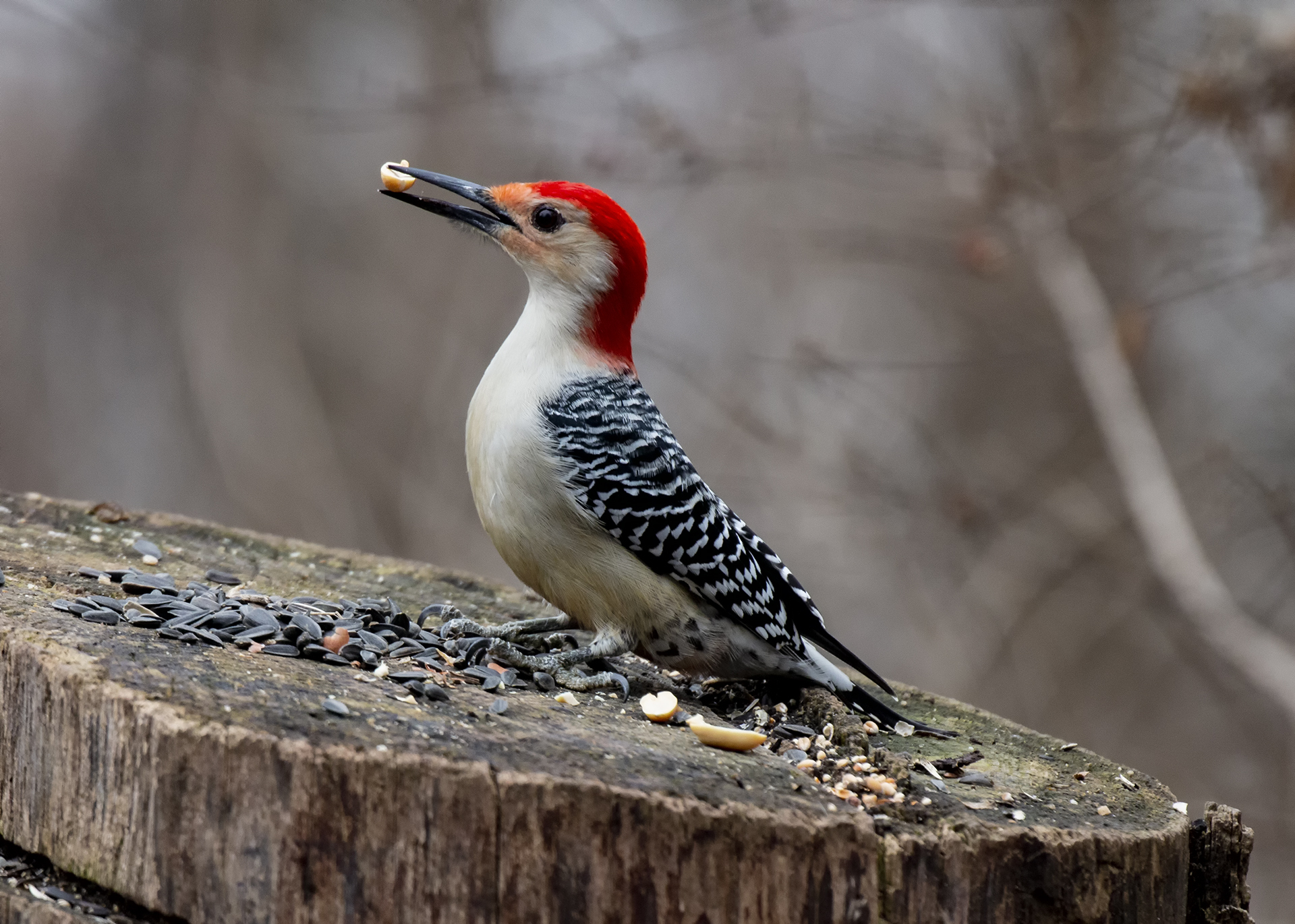
©Red-bellied WoodpeckerPhoto: Sandra Hawkins
©Red-bellied WoodpeckerPhoto: Sandra Hawkins
Every time a bird lands in your yard, it’s a moment of connection – a flash of movement, colour and life, right outside your window. With Project FeederWatch, those moments become part of something bigger: a shared effort across North America to understand and protect the birds we love.
When you join Project FeederWatch, you help track how bird populations are changing in real time. Your observations become part of a long-term record that paints a detailed picture of where birds are, and where they are not, during the winter months. Alongside thousands of other participants, your contributions help scientists:
FeederWatch runs from November to April and invites you to share observations of birds visiting your backyard and community space. While many people watch birds at feeders, you don’t need one to take part—just a place where you enjoy watching birds. The program is flexible and designed to fit your routine. You choose where to participate, when to take part, and how much time to spend, whether that’s every week or just once over the winter.
Project FeederWatch
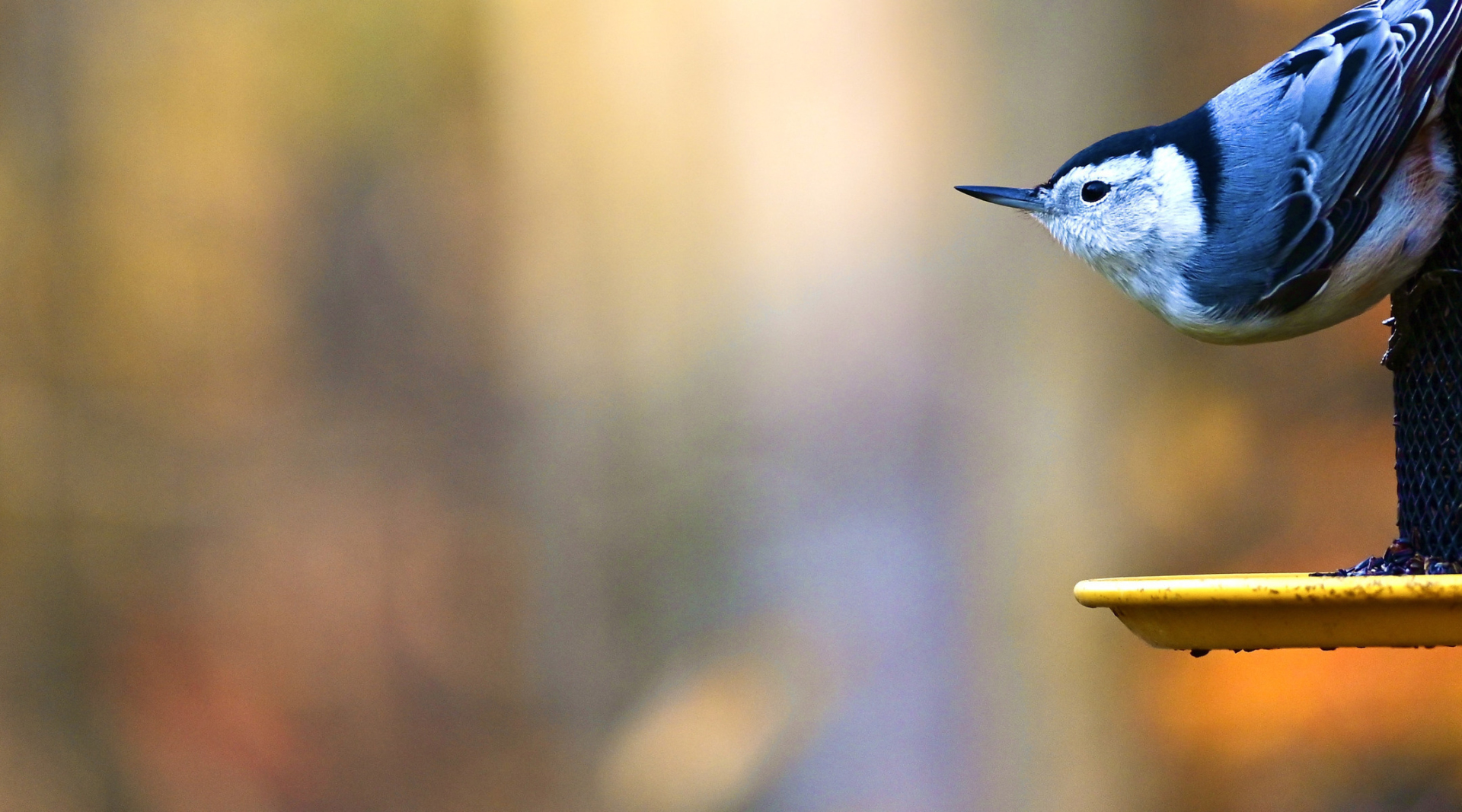
©White-breasted NuthatchPhoto: Danielle Dixon
If you live in the United States, please sign up through the Cornell Lab of Ornithology.
Project FeederWatch brings people across North America together to observe and learn about birds, and we aim to make it accessible and welcoming to everyone. We welcome people of all ages and experience levels take part. Often people join on their own, however you can also participate as part of a club or community group. Have a question or feedback about participation? We welcome you to contact us.
In 1976, through Birds Canada’s Long Point Bird Observatory, Erica Dunn established the Ontario Bird Feeder Survey. What started as a regional effort quickly proved its value. With more than 500 participants contributing observations from their homes, it became clear that people were eager to take part, and that their data could uncover meaningful patterns in bird movements.
But birds don’t follow borders. To truly understand how populations shift across seasons and landscapes, the Cornell Lab of Ornithology became an important partner in supporting program reach across the United States.
Project FeederWatch is now powered by tens of thousands of participants and grounded in the same idea that started it all: that small, consistent actions at home can drive big advances in bird conservation.
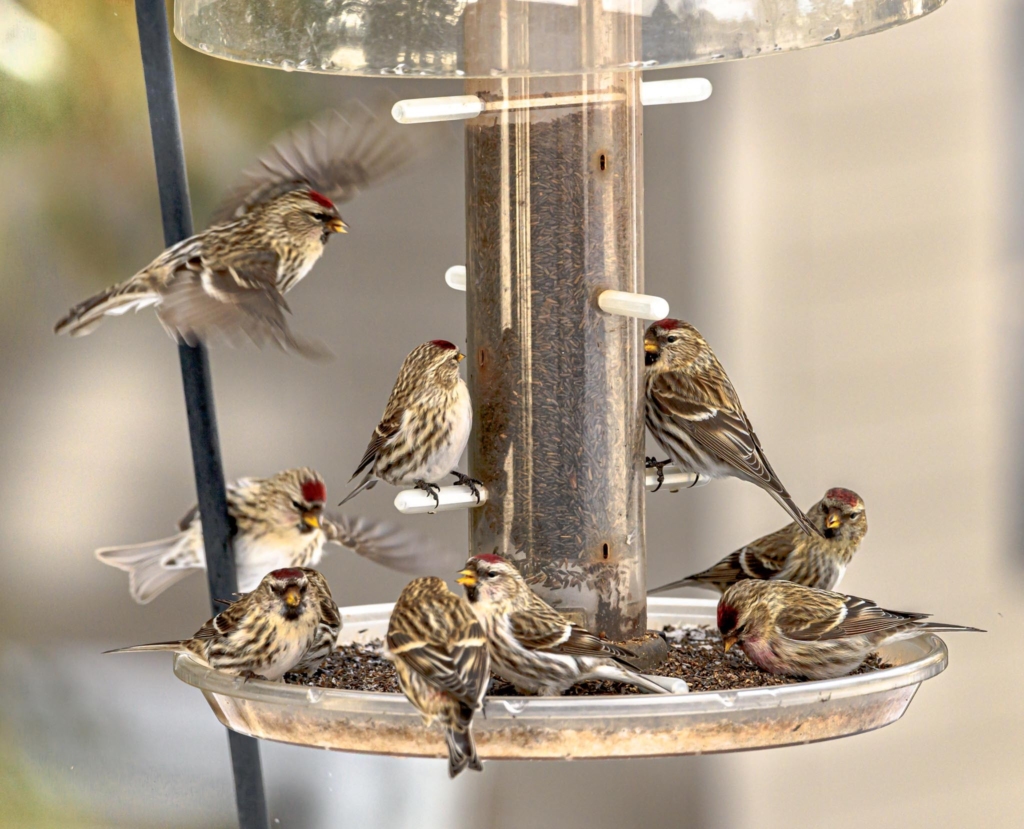
©RedpollPhoto: Phil Colwill

Sign up for Birds Canada’s newsletter to receive the latest stories, science, conservation news, and opportunities to get involved.
A flexible solo or group activity that can take place any time from dawn till dusk. Counting Chimney Swifts is quick to learn and the birds are delightful to observe.
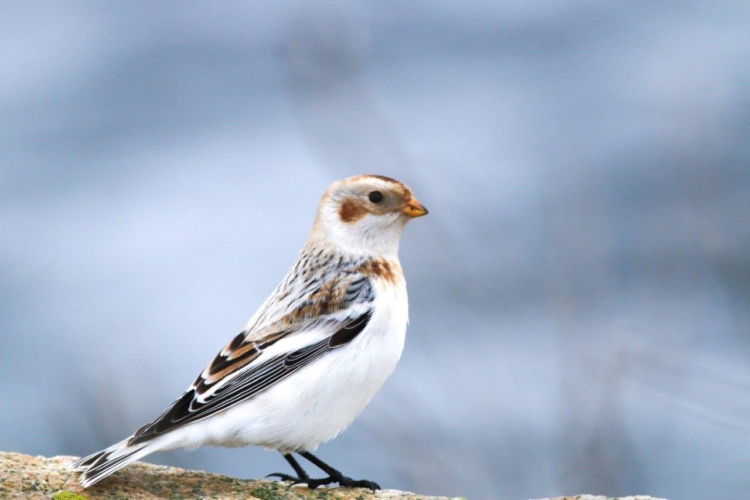
A long-running favourite, the Christmas Bird Count welcomes all skill levels and is a great way to meet birders, build skills, and embrace winter.
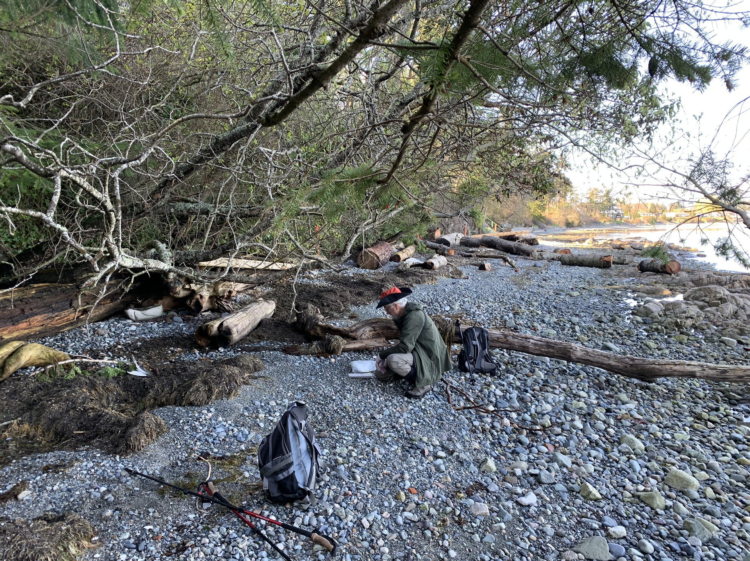
All skill levels can help monitor seabird mortality along coastlines – essential for early detection of oil spills and environmental change.
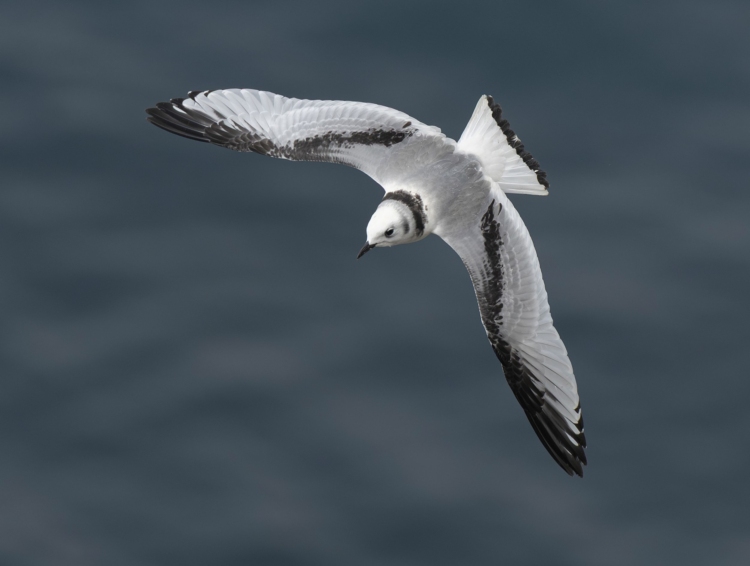
With specialized waterbird and raptor ID skills, help monitor a stretch of coastline once a month from September to April.
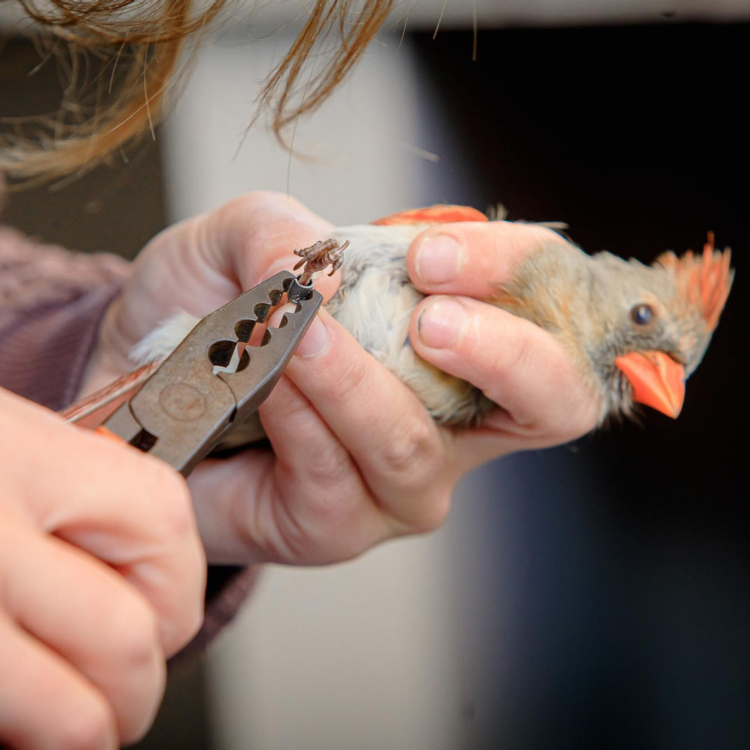
Located in the heart of an important migration corridor in Long Point, Ontario, LPBO brings people together through research, education, and training that deepens our understanding of birds, conservation, and the natural world. From migration monitoring to public engagement, LPBO offers volunteer opportunities to build skills, gain hands-on experience, and contribute to meaningful conservation work. More than a volunteer experience, this is a chance to live and learn at the heart of migration and become part of a community working together for birds.
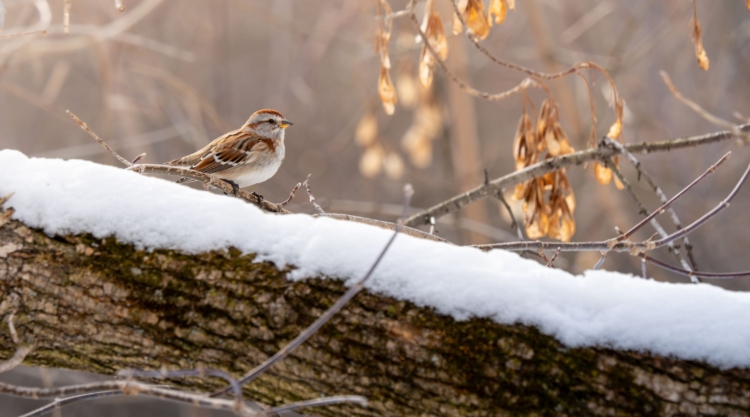
Join the world in connecting to birds February 12–15, 2027.