Join This Season
SwiftWatch
May - September
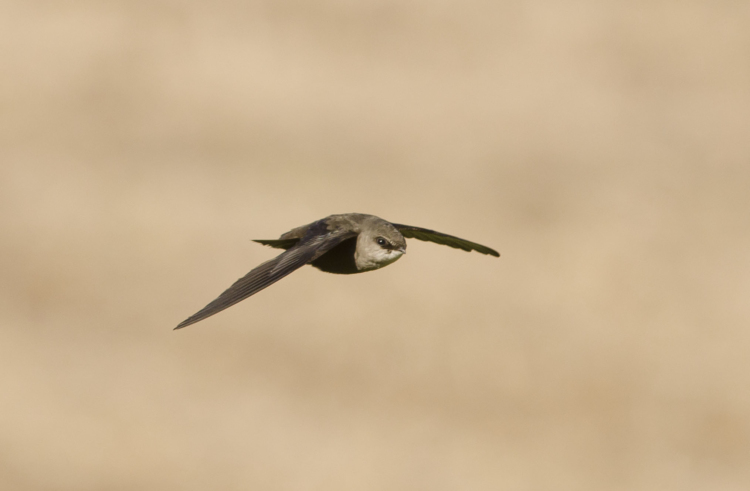
A flexible solo or group activity that can take place any time from dawn till dusk. Counting Chimney Swifts is quick to learn and the birds are delightful to observe.
With specialized waterbird and raptor ID skills, help monitor a stretch of coastline once a month from September to April.
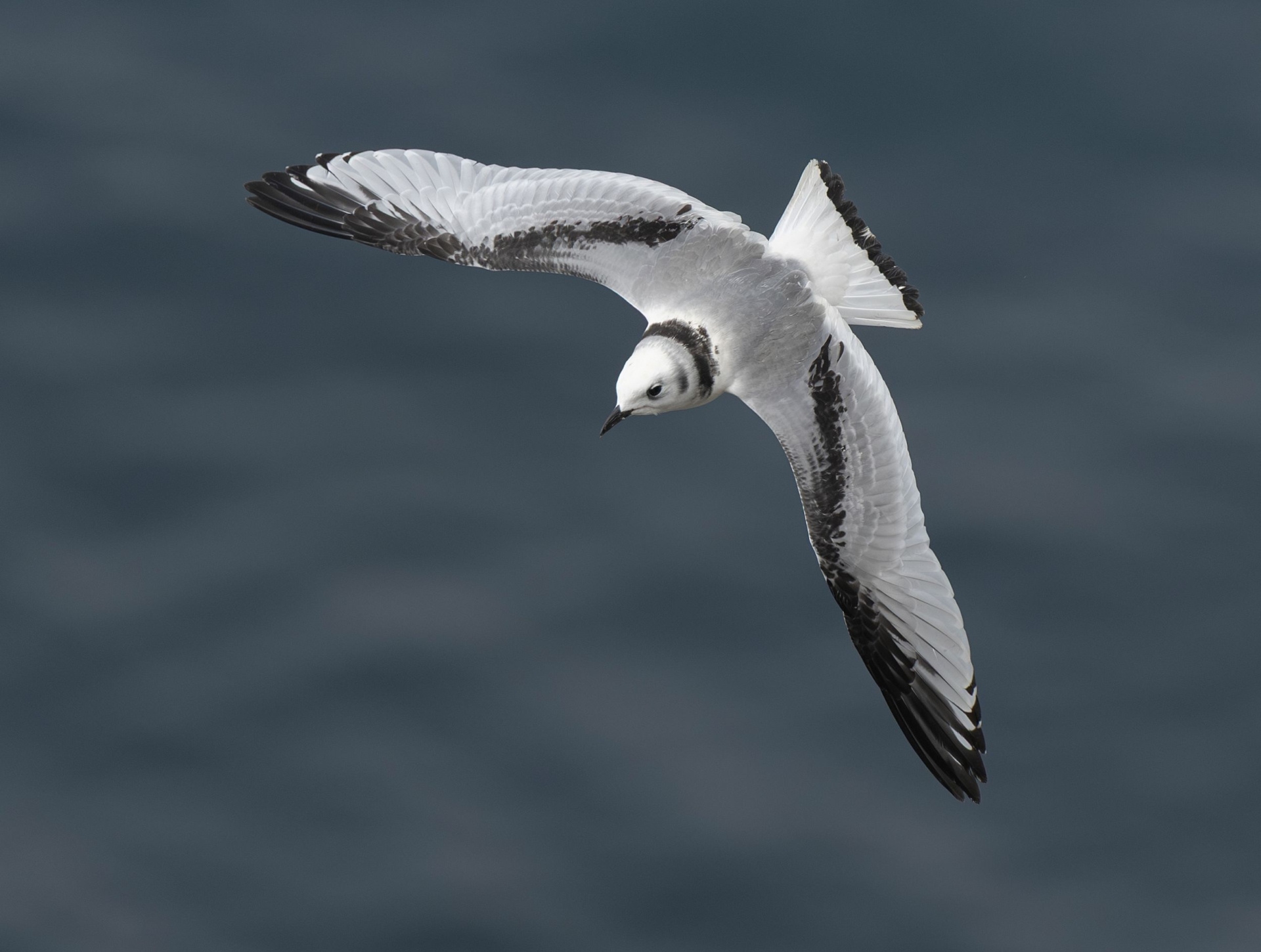
©Black-legged KittiwakePhoto: Jack Belleghem
©Black-legged KittiwakePhoto: Jack Belleghem
Coastal waterbirds are a vital part of healthy marine ecosystems. They help keep nature in balance and connect ecosystems across vast distances. Because they are sensitive to changes in their environment, including pollutants, habitat loss, and impacts of climate change, they play an important role in helping us better understand and protect the habitats they depend on.
Through a Coastal Waterbird Survey, you can play a direct role in gathering the information needed to track changes over time.
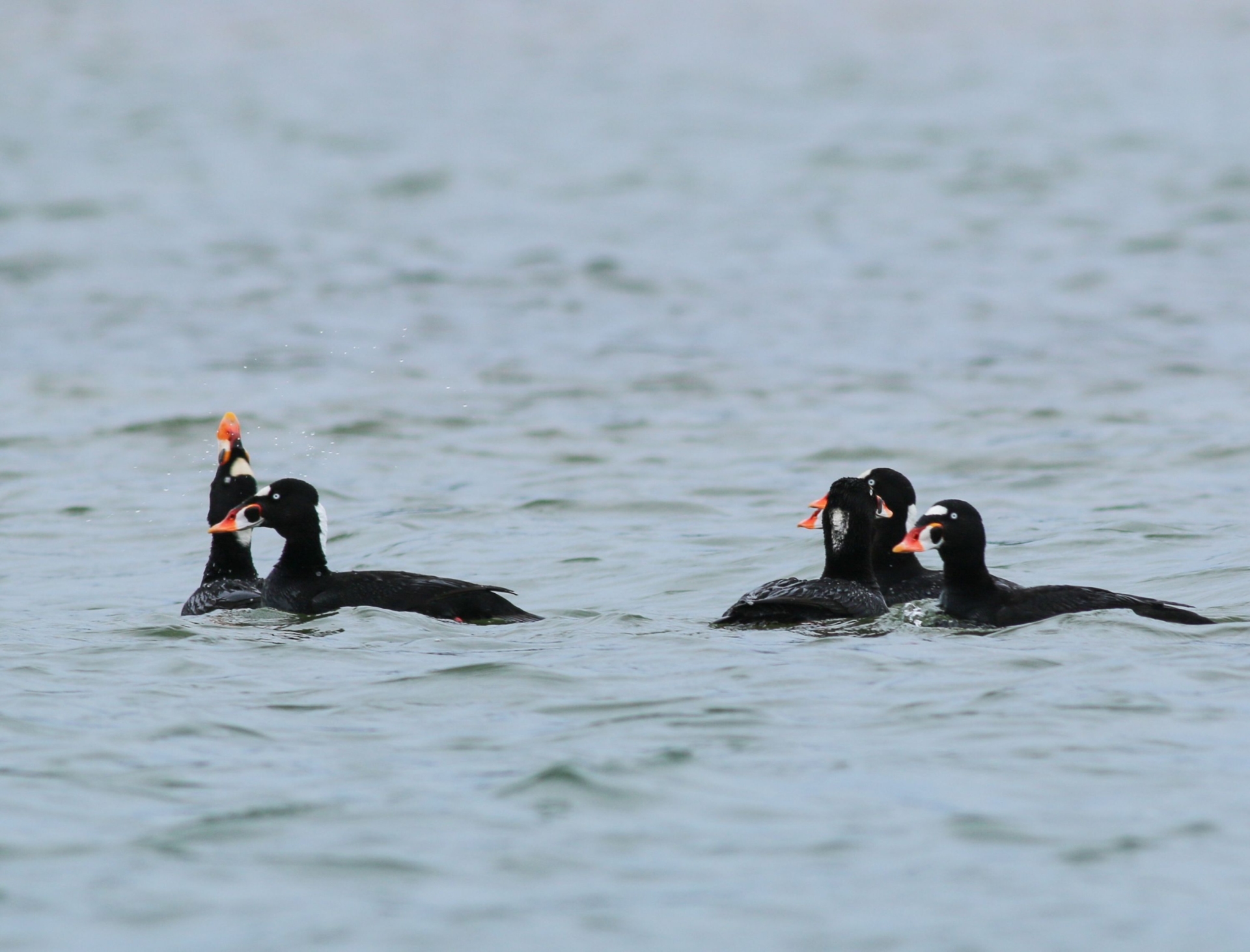
©Surf ScotersPhoto: Yousif Attia
The surveys methods look a little different depending which part of Canada you're in, but in both regions the Coastal Waterbird Survey is an essential way to help monitor bird populations and threats.
Each month, you help survey a stretch of British Columbia’s coast, counting waterbirds and raptors between September and April. It’s a chance to put your birding skills to use in the field and contribute to real conservation science.
As coastal areas face increasing pressure from development and human activity, your observations help build a long-term picture of how waterbirds are using these habitats, and how their populations are changing over time.
After more than 25 years, this survey continues to rely on contributions like yours to inform conservation and planning across government, academic and conservation communities.
Volunteers register for the BC Coastal Waterbird Survey, adopt a count site, submit observations, and access resources and training materials all through NatureCounts.
Help monitor waterbirds from shore-based sites across Atlantic Canada, including headlands and viewpoints, by taking part in these quarterly surveys. Your observations build long-term knowledge of where waterbirds are found, how their populations are changing, and how they use coastal habitats throughout the seasons. This information also provides an important baseline in the event of environmental emergencies such as oil spills, helping guide timely conservation responses. Join us and put your bird ID skills to work to help provide a better understanding of human impacts on coastal systems.
The Atlantic Canada Coastal Waterbird Survey is a collaborative monitoring program led by local conservation groups across the region, Environment and Climate Change Canada, Birds Canada and Fisheries and Oceans Canada.
Visit NatureCounts to learn more about volunteering opportunities in your province, or contact the program coordinator for more information.
Sign up for Birds Canada’s newsletter to receive the latest stories, science, conservation news, and opportunities to get involved.
A flexible solo or group activity that can take place any time from dawn till dusk. Counting Chimney Swifts is quick to learn and the birds are delightful to observe.
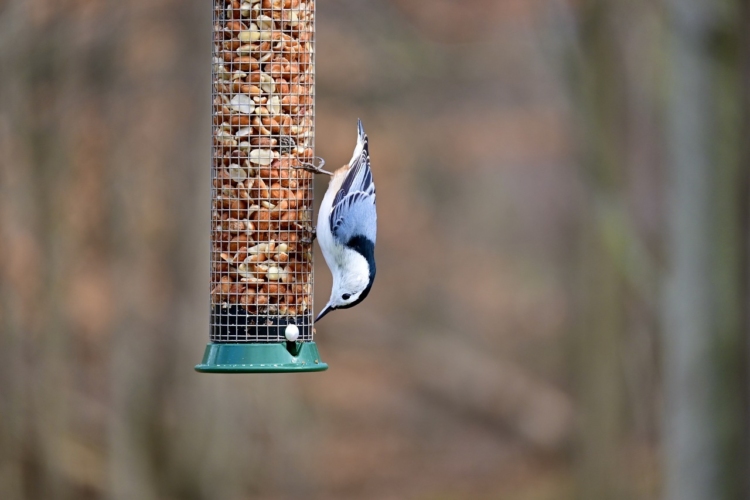
Counting birds at your feeder this winter is an easy, flexible opportunity - open to all skill levels and a great way to learn bird identification.
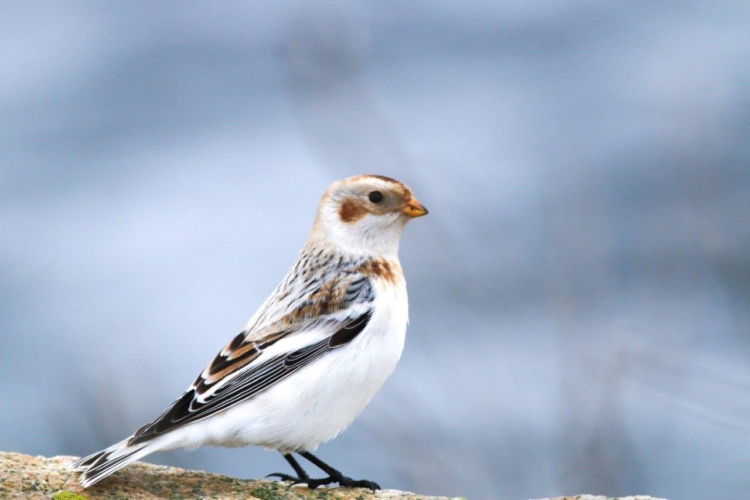
A long-running favourite, the Christmas Bird Count welcomes all skill levels and is a great way to meet birders, build skills, and embrace winter.
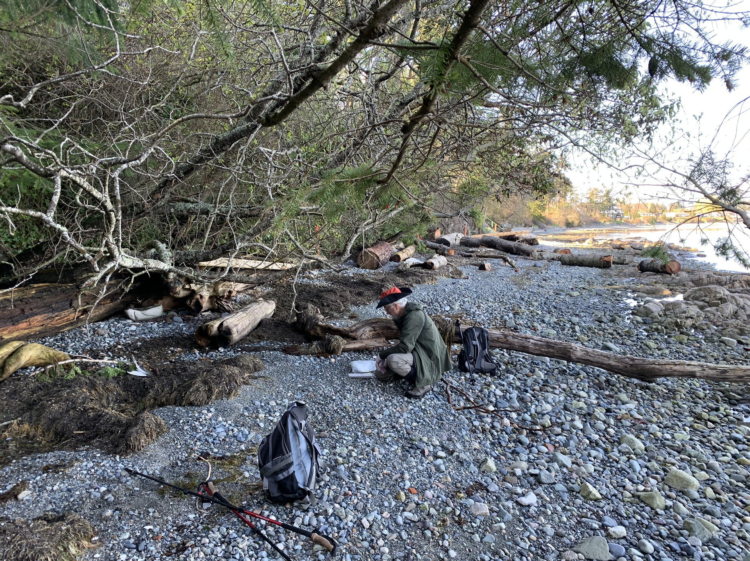
All skill levels can help monitor seabird mortality along coastlines – essential for early detection of oil spills and environmental change.
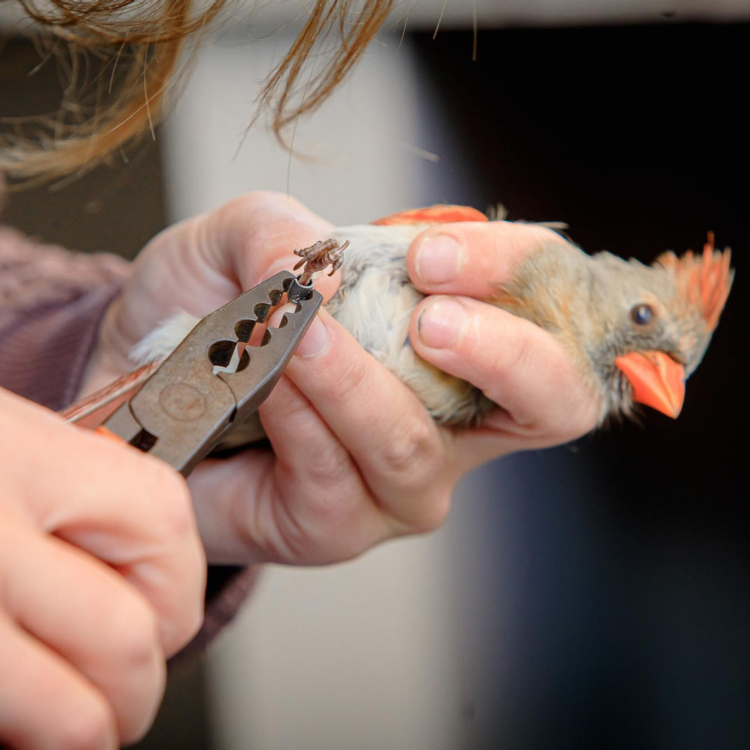
Located in the heart of an important migration corridor in Long Point, Ontario, LPBO brings people together through research, education, and training that deepens our understanding of birds, conservation, and the natural world. From migration monitoring to public engagement, LPBO offers volunteer opportunities to build skills, gain hands-on experience, and contribute to meaningful conservation work. More than a volunteer experience, this is a chance to live and learn at the heart of migration and become part of a community working together for birds.
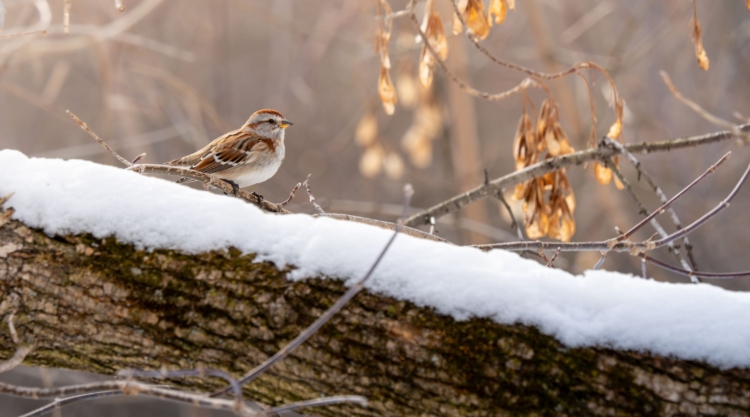
Join the world in connecting to birds February 12–15, 2027.