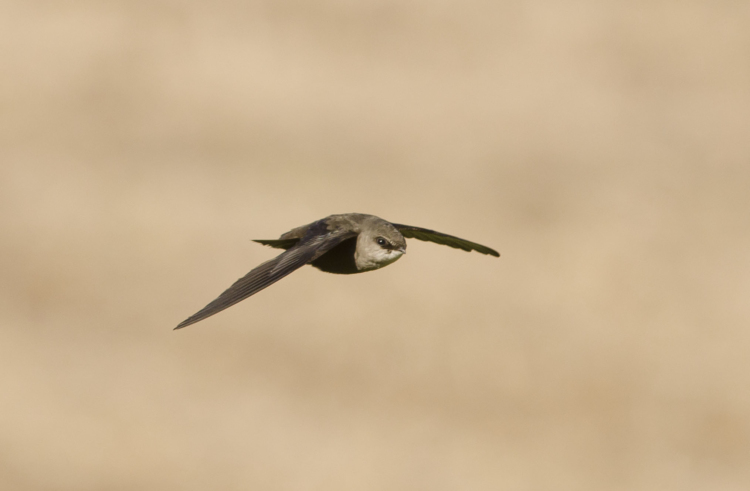
Join This Season
SwiftWatch
May - September
A flexible solo or group activity that can take place any time from dawn till dusk. Counting Chimney Swifts is quick to learn and the birds are delightful to observe.
Once a year, volunteers use their owl identification and call recognition skills during a nighttime roadside survey.
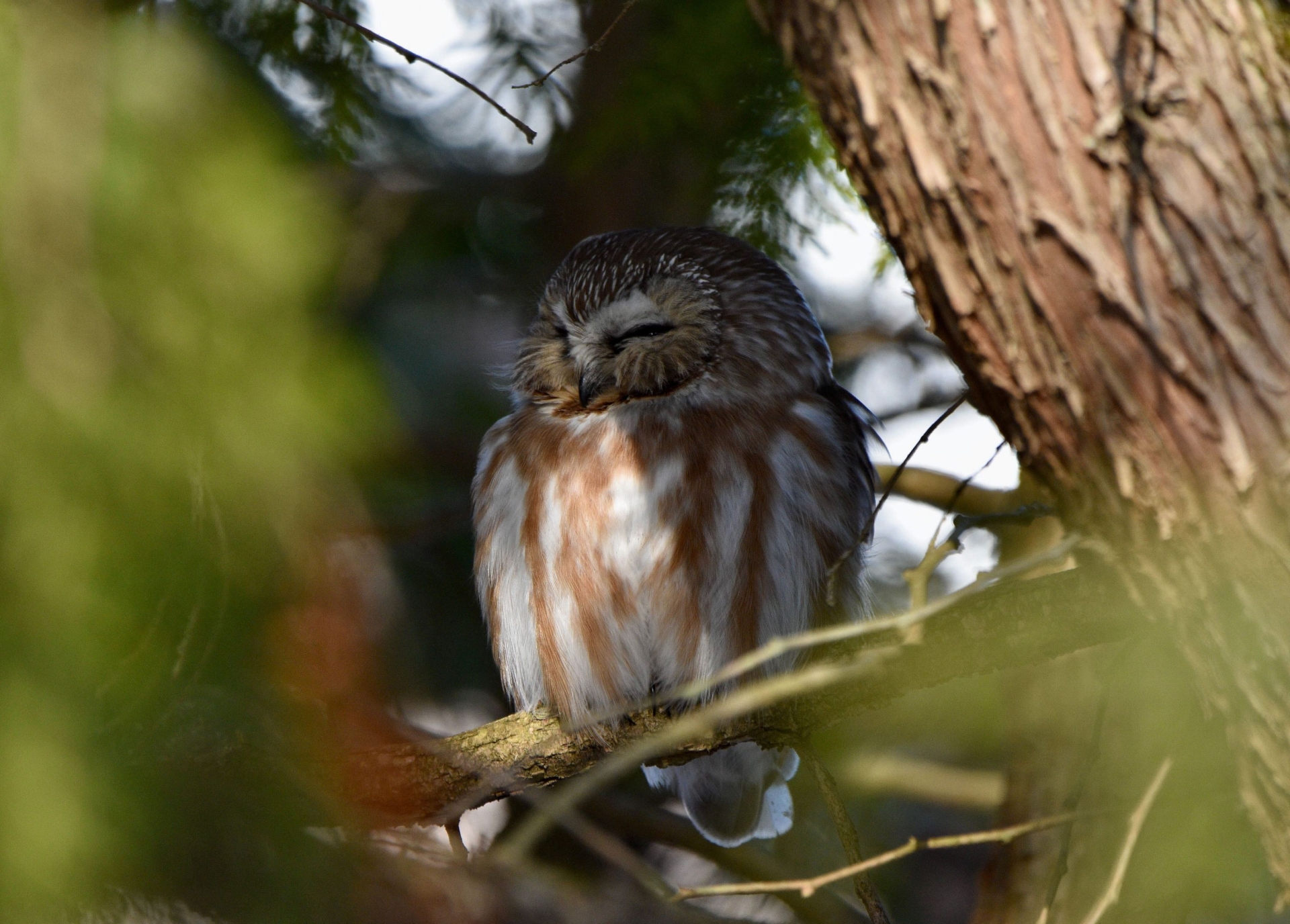
©Northern Saw-whet OwlPhoto: Kate Dalgleish
©Northern Saw-whet OwlPhoto: Kate Dalgleish
Owl Surveyors enjoy a very special adventure on roadside surveys – the sights and sounds of Canada’s starry, early spring nights, all while tracking the owl populations that breed in our large forests.
Owls are directly affected by changes in our forest landscapes. These majestic predators are easy to identify, but because they are often nocturnal and nest early in the season, they require special monitoring.
Become part of an annual tradition— surveying owls along quiet roads, documenting population trends and breeding range limits. As an owl surveyor, you get to enjoy the solitude and peace of these early season counts. Many volunteers have turned these surveys into family traditions, with decades of memories shared through generations.
In total, there are 16 different types of surveys across Canada, each supported by a regional coordinator. Each survey targets a specific group of owl species that are important for the particular region. Survey locations are often in rural areas, such as Canada’s large tracks of forests, as well as prairie parklands and grassland habitats. All routes are pre-assigned with 10-30 stops along the way. Most of the owl surveys are completed at night, once a year in the early spring (March, April or May) using owl call broadcast to entice territorial owls to respond.
Please take the time to review the regional information below and follow the registration instructions provided.
Please note that Birds Canada follows Ethical Birding Practices, we do not support the use of owl call broadcast outside of owl surveys.
Ready to join the survey?

Owls – those mysterious birds we hear on early spring nights. They capture our hearts and imagination. As predators, the health of their populations will often reflect the health of the species they eat, and the health of the habitats they live in. Information on owl distribution and abundance is essential for developing conservation strategies, identifying species in need of conservation action, and evaluating the effectiveness of forest management programs.
Start your spring with a quiet evening of monitoring owls along a remote road on a starry night. Not only does surveying make a meaningful difference – but it's simply a delight to experience these beautiful birds on a quiet spring evening.
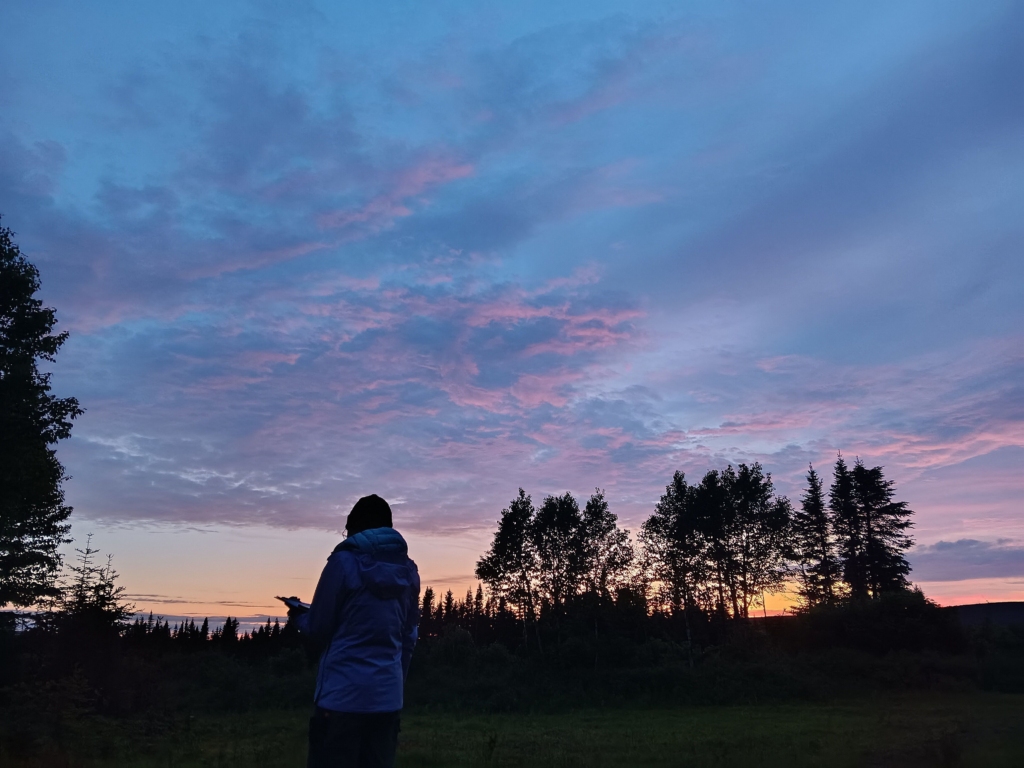
©Northern New Brunswick SurveyPhoto: Laura Achenbach
Sign up for Birds Canada’s newsletter to receive the latest stories, science, conservation news, and opportunities to get involved.
A flexible solo or group activity that can take place any time from dawn till dusk. Counting Chimney Swifts is quick to learn and the birds are delightful to observe.
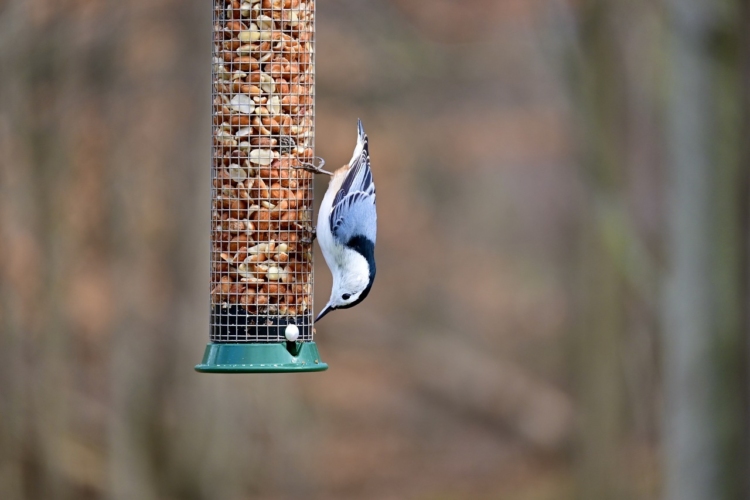
Counting birds at your feeder this winter is an easy, flexible opportunity - open to all skill levels and a great way to learn bird identification.
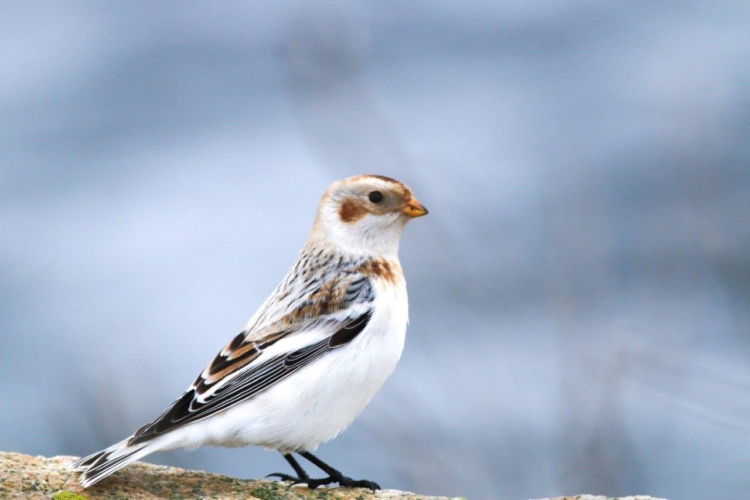
A long-running favourite, the Christmas Bird Count welcomes all skill levels and is a great way to meet birders, build skills, and embrace winter.
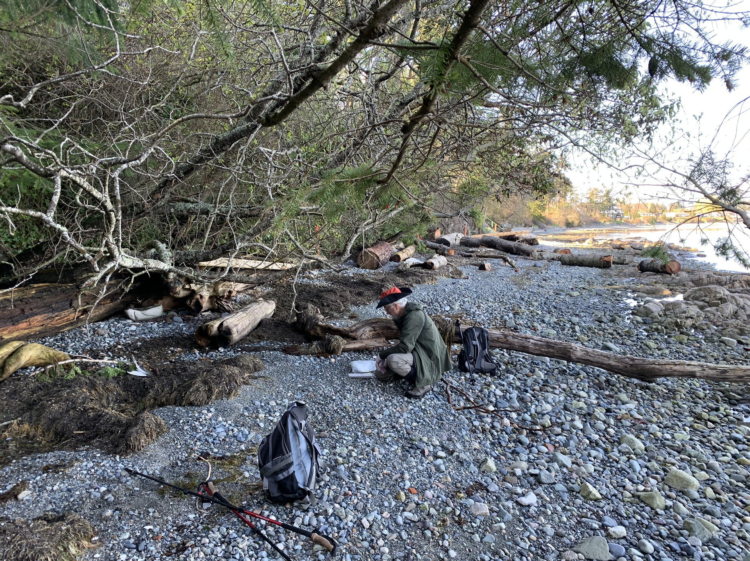
All skill levels can help monitor seabird mortality along coastlines – essential for early detection of oil spills and environmental change.
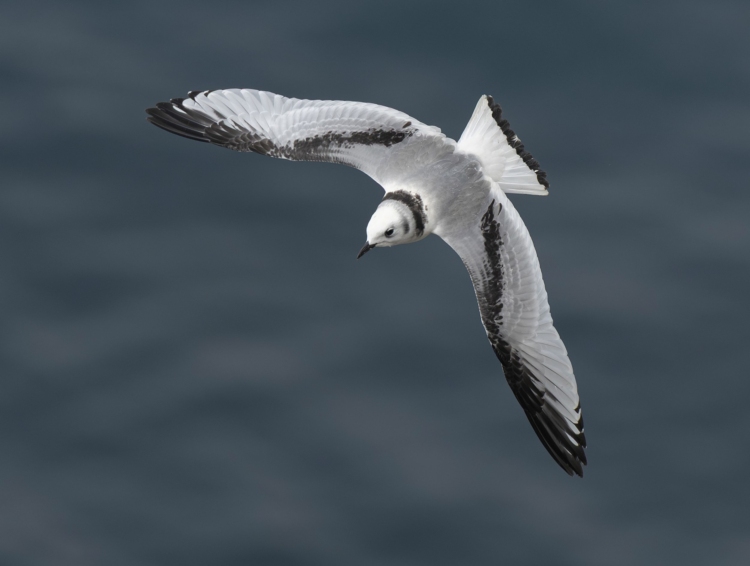
With specialized waterbird and raptor ID skills, help monitor a stretch of coastline once a month from September to April.
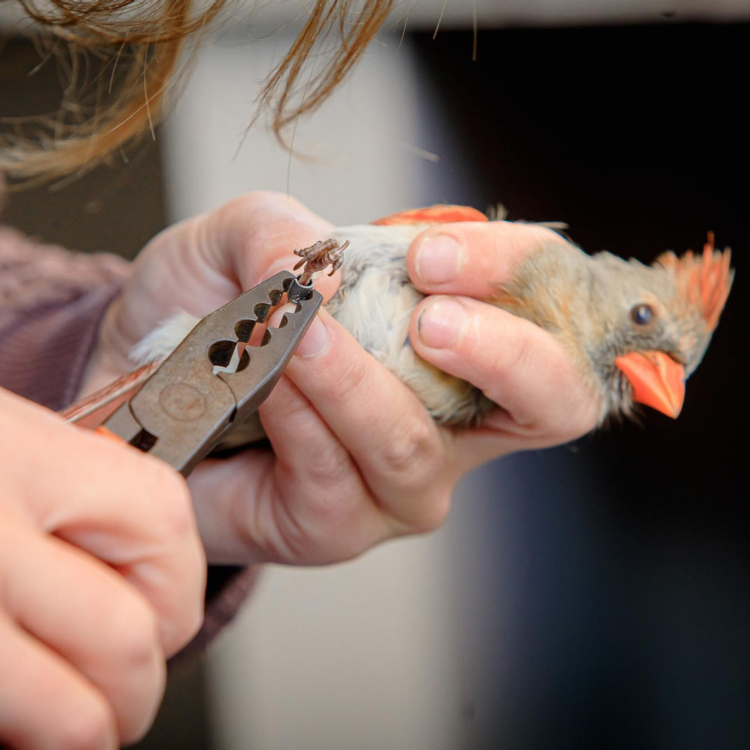
Located in the heart of an important migration corridor in Long Point, Ontario, LPBO brings people together through research, education, and training that deepens our understanding of birds, conservation, and the natural world. From migration monitoring to public engagement, LPBO offers volunteer opportunities to build skills, gain hands-on experience, and contribute to meaningful conservation work. More than a volunteer experience, this is a chance to live and learn at the heart of migration and become part of a community working together for birds.