New Common Loon research uncovers a widespread decline and calls for action
The unprecedented international effort to understand and reverse declines in one of North America’s most iconic waterbirds.
An important part of welcoming birds to your outdoor space is to provide feeders and birdbaths safely. Here are our guidelines.
Bird feeding is a rewarding way to connect with nature and enjoy birds right outside your window. However, like any place where wildlife gathers, feeders can contribute to the spread of disease among birds. A few simple practices can help keep your feeders safe and welcoming.
To feed birds safely, we recommend taking the following general precautions to help reduce the presence and build-up of pathogens that make birds sick.
Clean your seed or suet feeders regularly
Please do not use bird feeders that cannot be thoroughly washed, such as feeders made of wood.
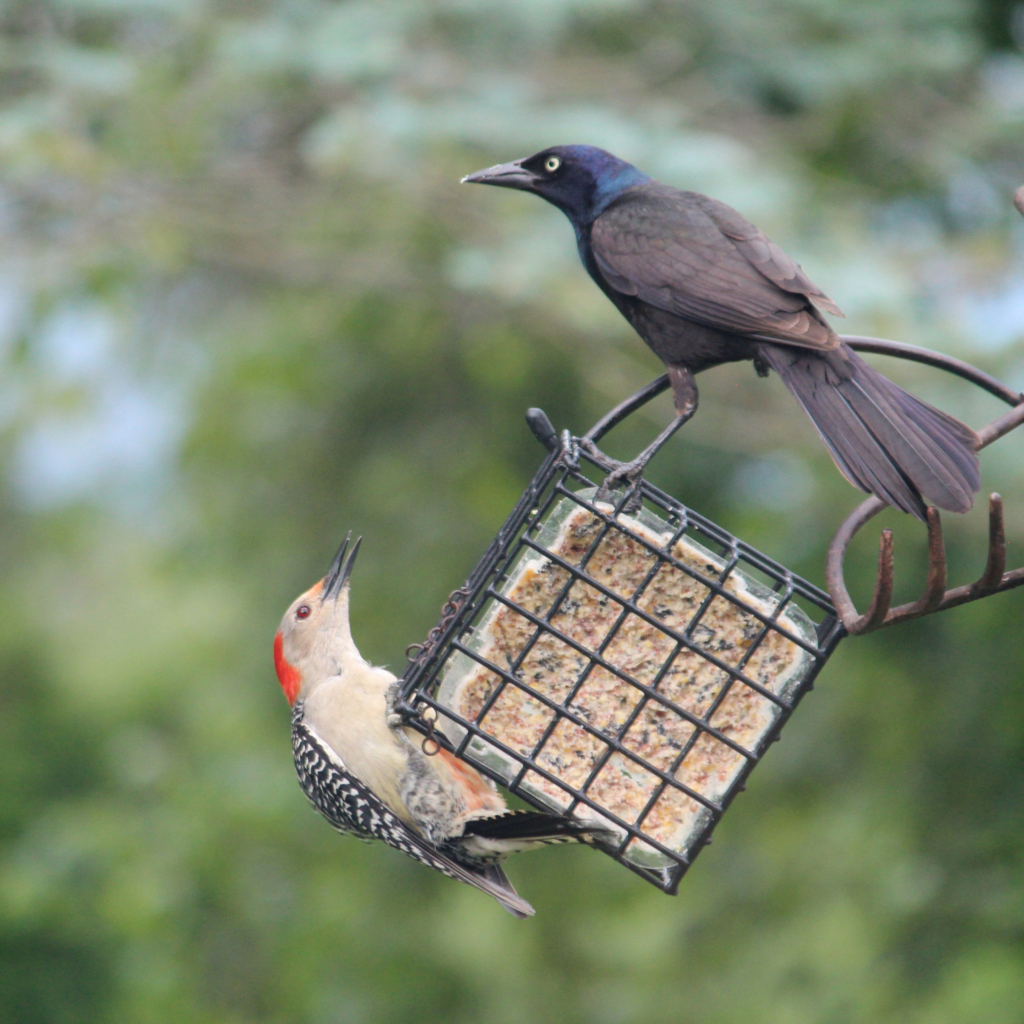
©Red-bellied Woodpecker, Common GracklePhoto: Livia Jones
Clean your hummingbird or nectar feeders even more frequently
Replace the water in your birdbath as often as possible
If you see any sign of cloudy water or mould growth or observe bird droppings, empty the bird bath and scrub it out. Scrub birdbaths weekly.
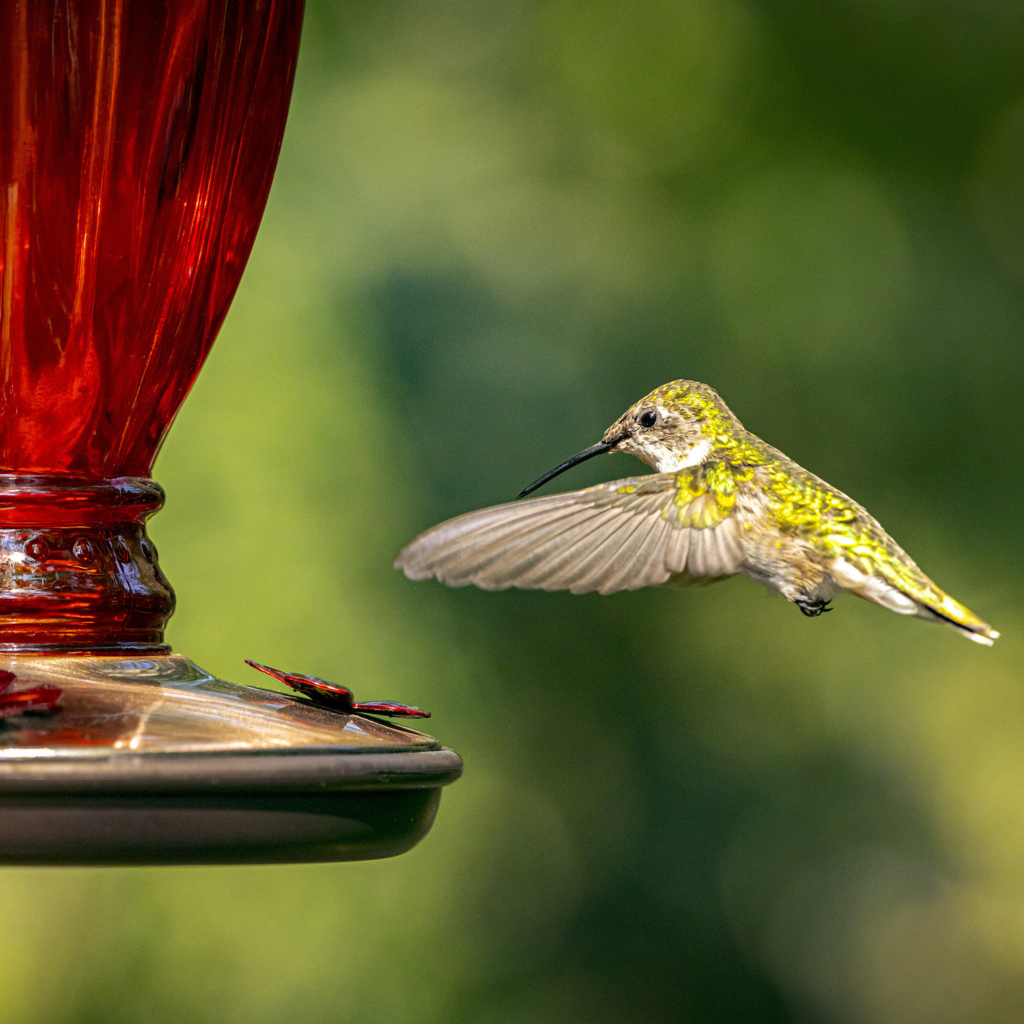
©Ruby-throated HummingbirdPhoto: Rocco Macri
Keep the ground below your feeders and birdbaths clean.
Protect your health.
We recommend wearing gloves whenever you handle feeders and wearing a mask when raking or sweeping under feeders or birdbaths. Take care to wash your hands thoroughly after cleaning or filling your feeders.
If you are unable to follow these best practices year-round, we recommend that you limit bird feeding to times of year when you are able to feed birds safely. Remember, bird feeders are not the only way – or even the best way – to feed birds. If feeder care feels like a lot, consider gardening for birds. Planting native plants is one of the best ways to support bird populations. Even if you only have space for a small container garden or window boxes, the plants you grow will provide shelter and shade for birds and sustain insect populations on which birds depend.
How to Prevent Window Collisions
If your feeders and bird baths need to be near a window, distance matters, and closer is better. Placement within 3 m/10 ft of a window means that a bird leaving the feeder can’t gain enough momentum to do harm if it strikes the window.
While routine cleaning will help reduce disease transmission, you can also disinfect your feeders and birdbaths.
Disinfection using standard household cleaners (e.g., diluted bleach) can be more effective at removing bacteria and viruses than washing in soap and water.
To disinfect your feeders, soak the (cleaned) parts for 10 minutes in a diluted bleach solution (e.g., one part bleach to nine parts water). Then, carefully rinse off the bleach and allow the parts to dry completely before reassembly.
Alternatively, wipe down the cleaned and reassembled feeder with a bleach wipe and dry completely.
If you are uncomfortable using bleach, you could consider washing your feeders in boiling water or using a bleach alternative like diluted vinegar.
Not all bleach alternatives will meet disinfectant standards in Canada and the United States, but they will provide some additional protection against pathogens. You may wish to consider disinfecting your feeders and birdbaths during periods of heavy use or if you observe sick birds in your area.
Fluffed-up feathers, lethargy, abnormal growths, and crusty eyes are all symptoms of various avian illnesses. If you see a sick bird, there are additional steps you can take to reduce the potential for transmission of disease:
- Clean your feeders and birdbaths more often.
- Consider disinfecting your feeders and birdbaths.
- Consider temporarily removing your feeders. Taking down your feeders could help to disperse birds that congregate in your outdoor space. However, this action is likely to be helpful only if you live in an area with few feeders. If you live in a neighborhood where bird feeding is popular, taking down your feeders could be counterproductive. Removing some feeders could lead to larger congregations at remaining feeders, increasing disease transmission.
- Consider providing additional resources to birds, such as native plant gardens, to encourage birds to disperse from feeders and use more of your outdoor space. Planting native gardens also helps support more resilient ecosystems.
Take action specific to the transmission route of the disease you observe:
- Ocular: If you observe birds with conjunctivitis, take extra care to clean and disinfect tube feeders with ports, as this type of feeder is especially risky for ocular transmission of the bacterium that causes this disease. Using bleach wipes to disinfect tube feeders works very well at reducing the presence of harmful bacteria.
- Oral-fecal: If you observe birds exhibiting symptoms of a disease that is spread via oral-fecal transmission (e.g., salmonella poisoning, trichomoniasis), consider retiring your tray feeders. Tray feeders collect bird droppings that are then consumed by birds that subsequently feed.
You can learn more about creating a safe feeding environment and access more information on sick birds and common diseases on the Project FeederWatch website.
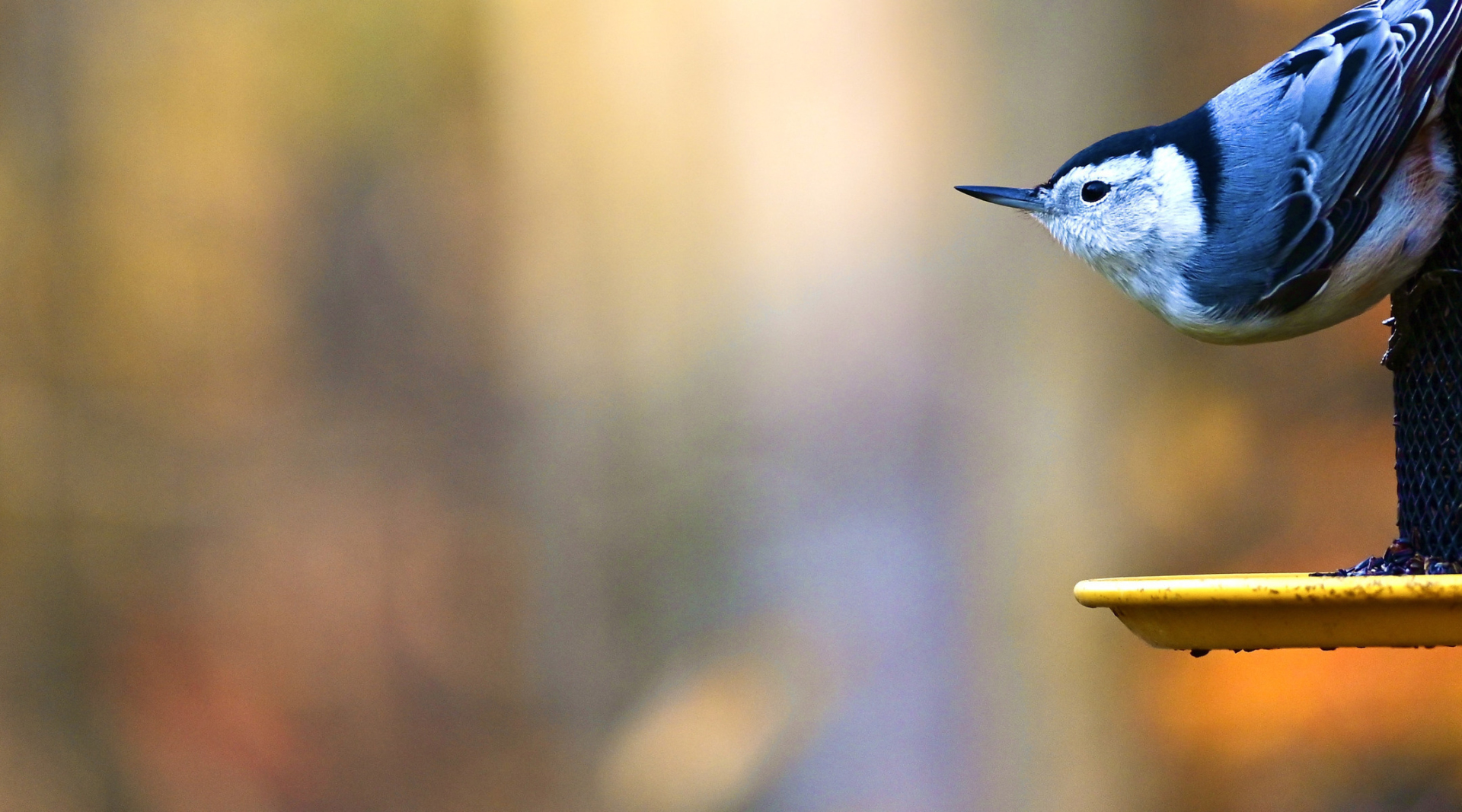
©White-breasted NuthatchPhoto: Danielle Dixon
Sign up for Birds Canada’s newsletter to receive the latest stories, science, conservation news, and opportunities to get involved.
The unprecedented international effort to understand and reverse declines in one of North America’s most iconic waterbirds.
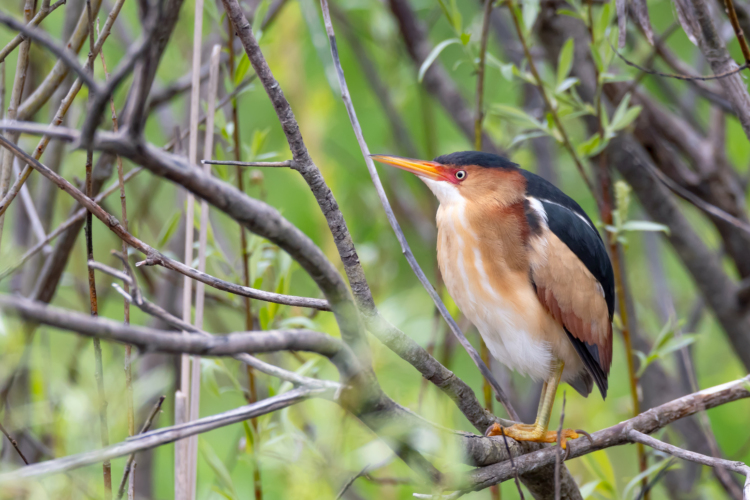
Birds Canada science has helped attract millions of dollars in recent funding to restore hundreds of hectares of threatened Great Lakes coastal wetlands for birds. Read on to see how data from our Great Lakes Marsh Monitoring Program and science-based recommendations from our Long Point Waterfowl and Wetlands Research Program have been critical for making this happen.
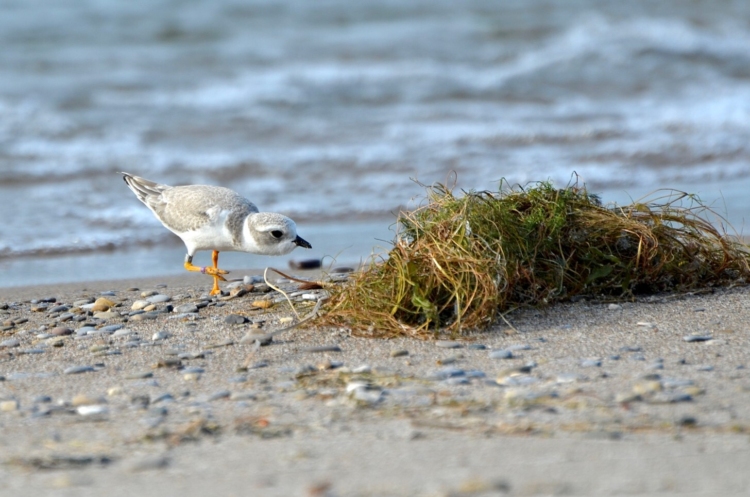
More than a century of conservation efforts paid off this spring, when a pair of Piping Plovers established a nest at Long Point for the first time since 1977. For nearly 50 years, birders, scientists, and nature lovers have eagerly awaited the return of nesting Piping Plovers to the Canadian shores of Lake Erie. Read on to learn just how significant this return is, and why it gives us hope for the future.