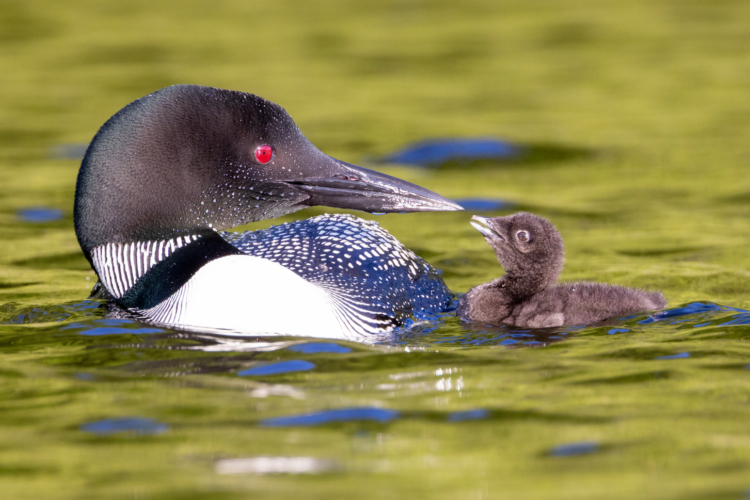
New Common Loon research uncovers a widespread decline and calls for action
The unprecedented international effort to understand and reverse declines in one of North America’s most iconic waterbirds.
Feeding birds is a wonderful way to connect with nature, support local wildlife, and enjoy the beauty of feathered friends right in your backyard. But to make the most of this rewarding hobby, it’s essential to choose the right feeder and seed type while maintaining a clean and safe environment for your avian visitors. Here’s how to do it.
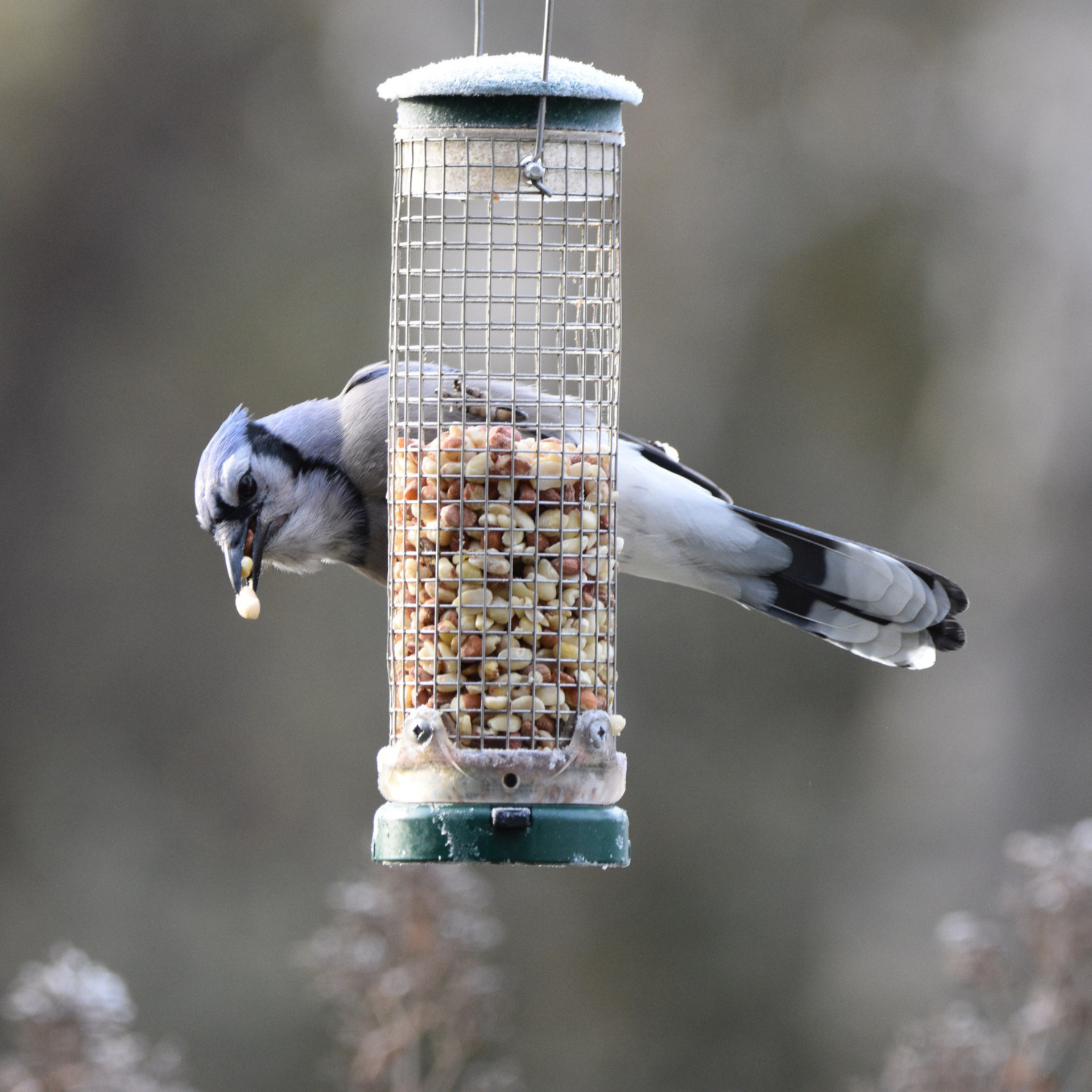
©Blue JayPhoto: Kate Dalgleish
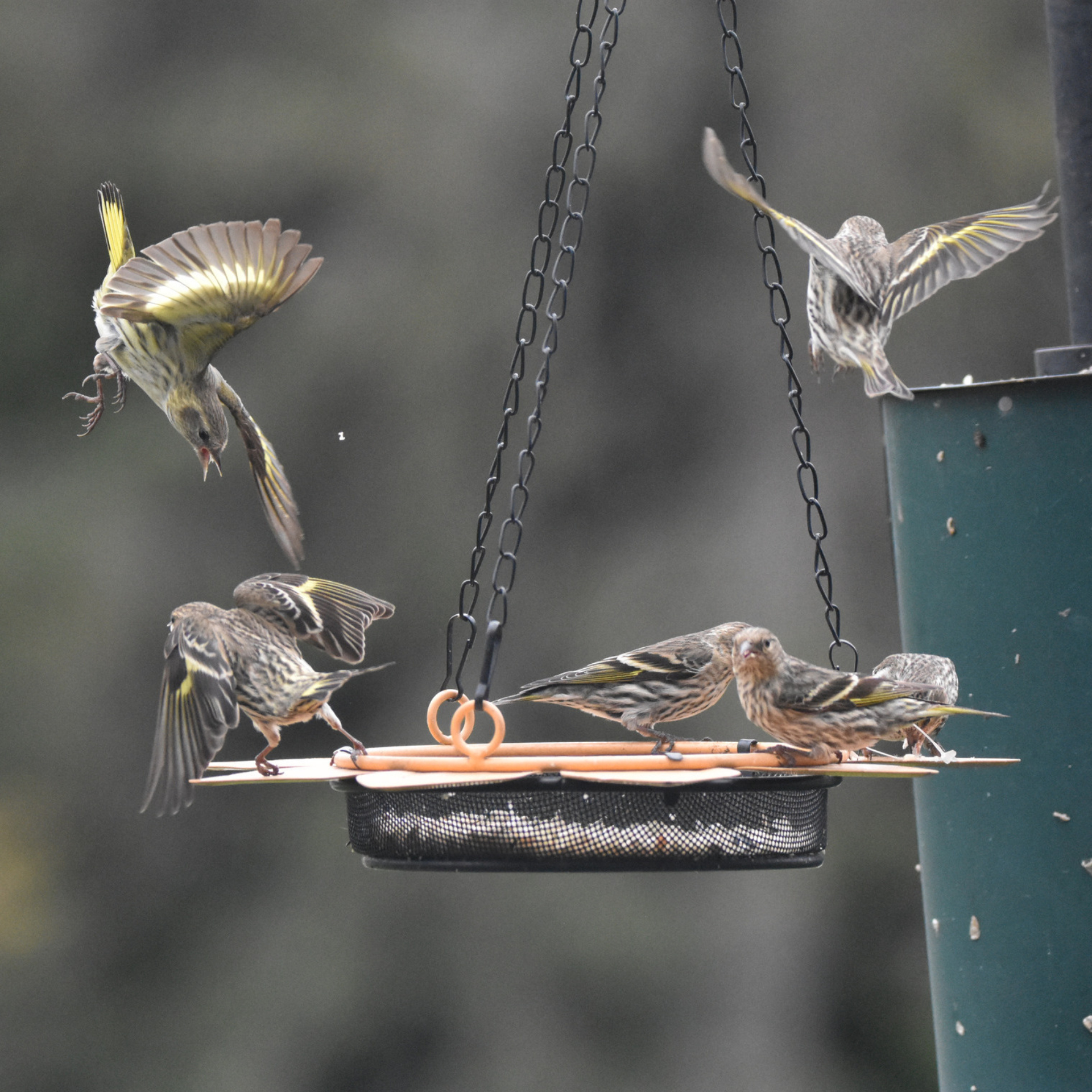
©Pine SiskinPhoto: Kate Dalgleish
©Blue JayPhoto: Kate Dalgleish
©Pine SiskinPhoto: Kate Dalgleish
Birds come in all shapes, sizes, and dietary preferences. Choosing the right feeder can attract a variety of species and create a busy feeding environment. Here are the main types of feeders and the birds they appeal to:
The type of seed you offer will determine the species of birds visiting your yard. Some popular options include:
Dirty feeders can spread diseases among birds, turning your thoughtful feeding into a health hazard. Follow these cleaning guidelines to keep your feathered visitors safe.
If your feeders and bird baths need to be near a window, distance matters, and closer is better. Placement within 3 m/10 ft of a window means that a bird leaving the feeder can’t gain enough momentum to do harm if it strikes the window.
You can prevent collisions by making windows visible to birds. Some options include applying markers, or tape spaced in a 5 x 5 cm (2 x 2 in) grid pattern or making DIY Acopian Bird Savers. Note that these solutions must be applied on the outside surface and provide high visual contrast to the glass in order to work. A great example of a product designed to prevent bird collisions with glass is Feather Friendly.
Now that you’re ready to support your feathered friends, why not make your birding count? Project FeederWatch is a volunteer monitoring program that helps track bird populations and trends across North America. By observing and reporting the birds visiting your feeders, you contribute valuable data to bird conservation efforts.
Register now and don’t miss your chance to join this exciting winter bird initiative! Together, we can make a difference for birds!
Project FeederWatch is a joint program between Birds Canada and the Cornell Lab of Ornithology, made possible with support from Armstrong Bird Food and Wild Birds Unlimited. Thank you for supporting conservation across North America!
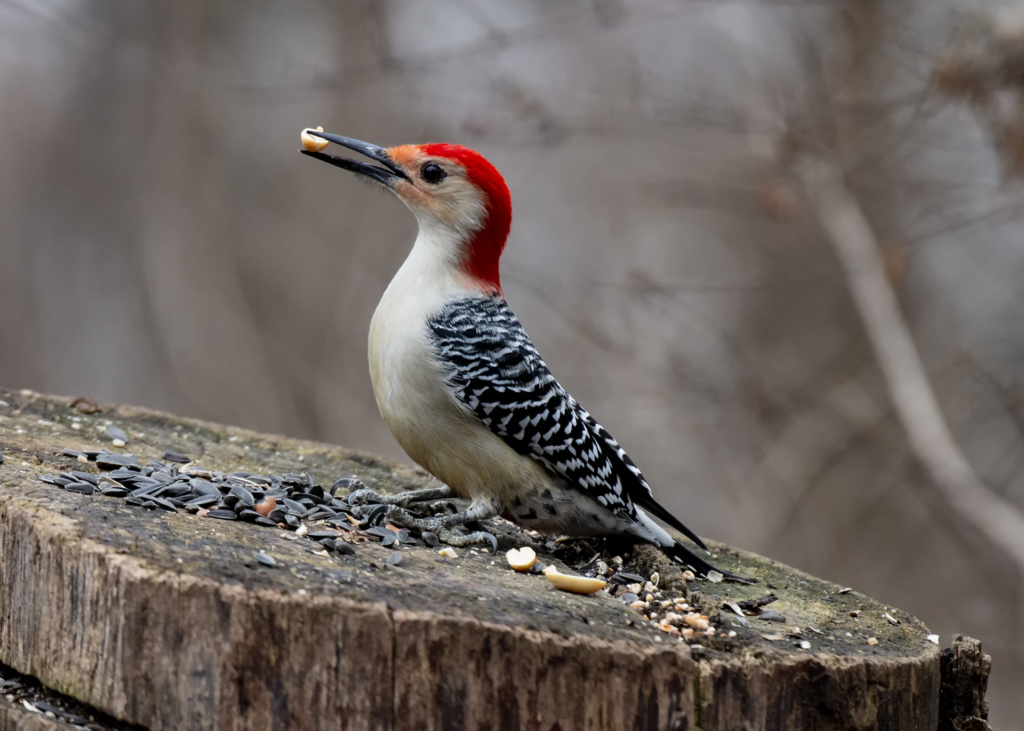
©Red-bellied WoodpeckerPhoto: Sandra Hawkins
My work at Birds Canada involves planning and executing events and coordinating and managing Project FeederWatch in Canada. It is exciting to be working with a team, and partners across Canada, that are passionate about urban natural environments, and making connections with wildlife accessible for all.
Sign up for Birds Canada’s newsletter to receive the latest stories, science, conservation news, and opportunities to get involved.
The unprecedented international effort to understand and reverse declines in one of North America’s most iconic waterbirds.
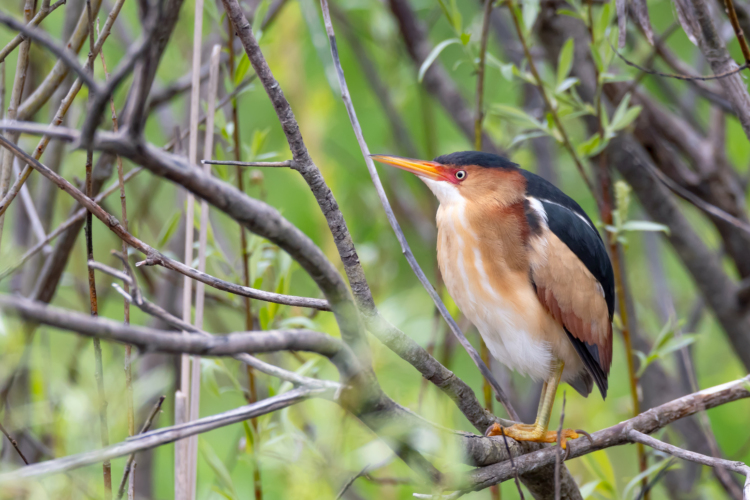
Birds Canada science has helped attract millions of dollars in recent funding to restore hundreds of hectares of threatened Great Lakes coastal wetlands for birds. Read on to see how data from our Great Lakes Marsh Monitoring Program and science-based recommendations from our Long Point Waterfowl and Wetlands Research Program have been critical for making this happen.
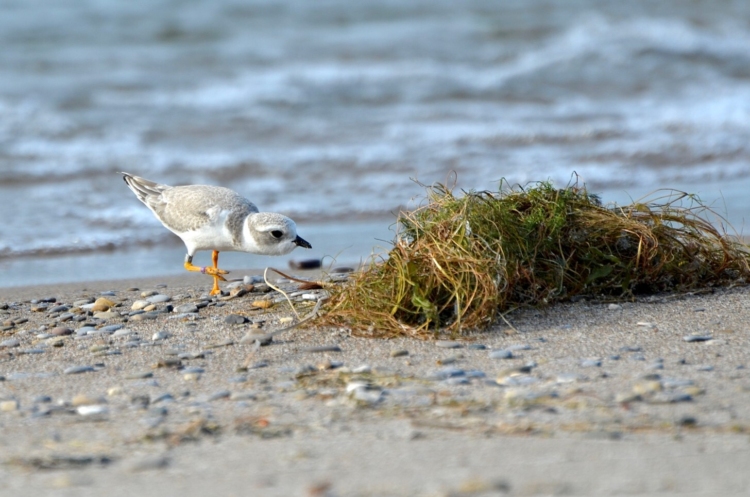
More than a century of conservation efforts paid off this spring, when a pair of Piping Plovers established a nest at Long Point for the first time since 1977. For nearly 50 years, birders, scientists, and nature lovers have eagerly awaited the return of nesting Piping Plovers to the Canadian shores of Lake Erie. Read on to learn just how significant this return is, and why it gives us hope for the future.