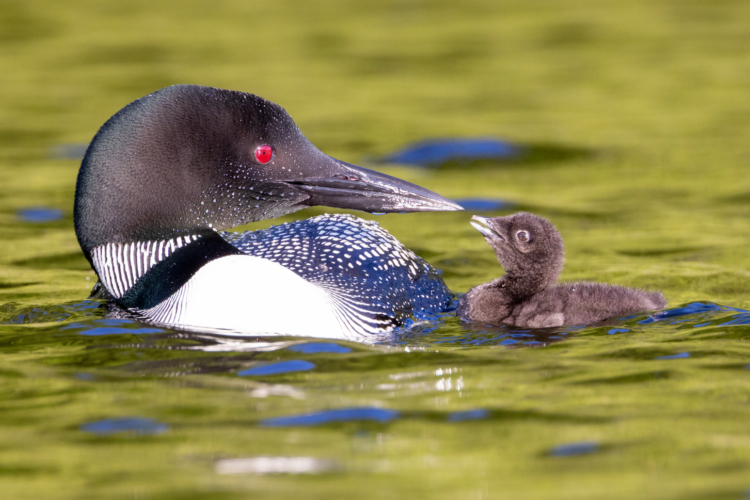
New Common Loon research uncovers a widespread decline and calls for action
The unprecedented international effort to understand and reverse declines in one of North America’s most iconic waterbirds.
The Prairies, with their rich biodiversity, are one of the most important ecosystems for birds in North America. This article is explores the connections between the Canadian Prairies, prairie producers, and birds.
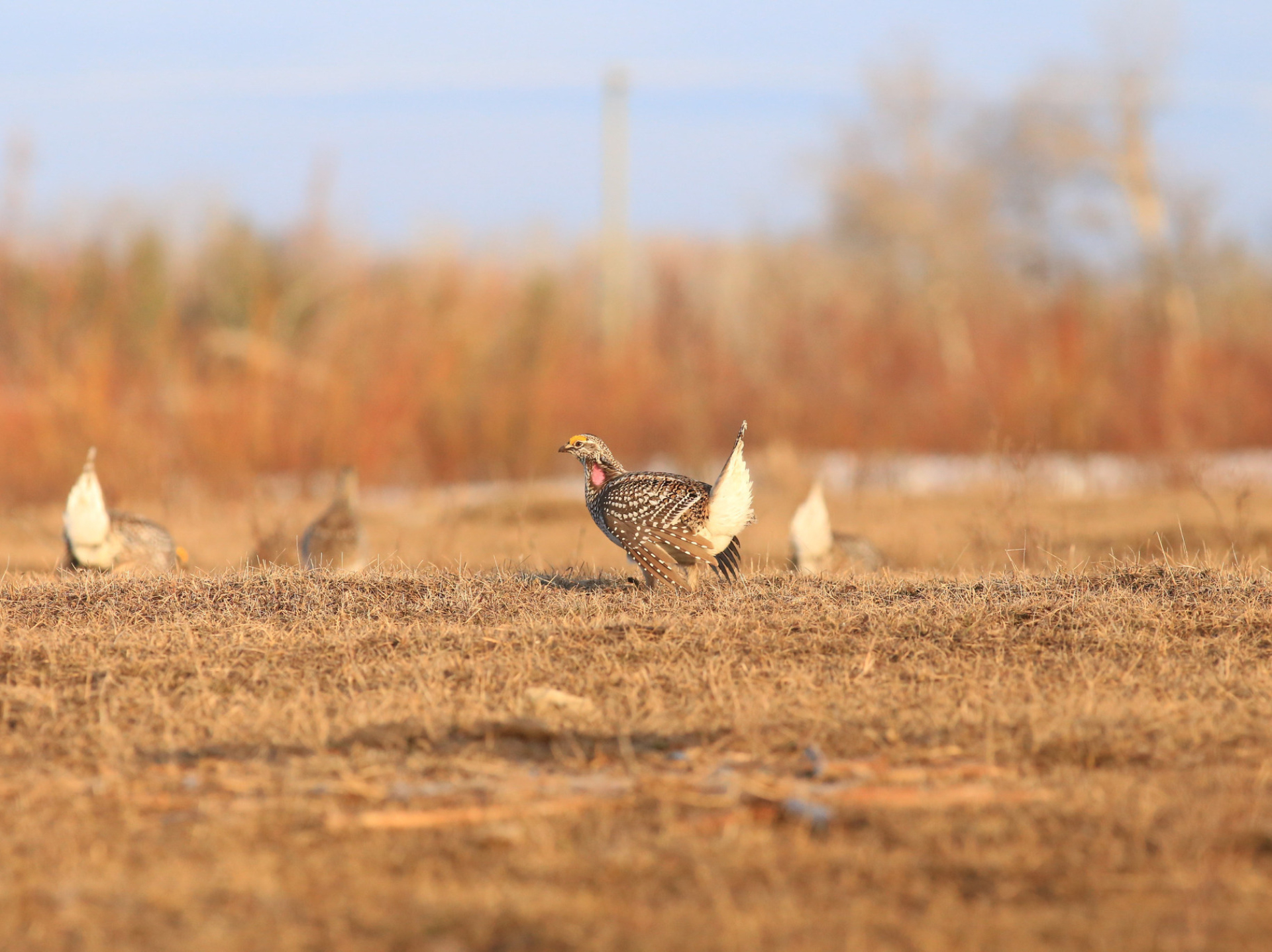
©Sharp-tailed GrousePhoto: Joanne Smith
©Sharp-tailed GrousePhoto: Joanne Smith
Along with being important to a huge diversity of birds, the Prairies are an agricultural working landscape that produces a tremendous amount of food for Canadians and people all over the world. In the second installment of this series we discussed the integral role Canadian livestock producers play in the conservation of the grasslands and prairie birds. On the Canadian Prairies, grazing livestock like beef cows can provide the habitat conditions that grassland birds need, and livestock producers are key to keeping this endangered grassland ecosystem intact. So, if you choose to eat beef, consider purchasing from Canadian producers to support production systems that provide critical habitat for grassland birds.
One way to support sustainable beef production systems is to purchase beef with the Canadian Roundtable for Sustainable Beef (CRSB) certification. The CRSB is an initiative working with multiple stakeholders, including Birds Canada, to advance the sustainability of the Canadian Beef industry. You can find out where to purchase CRSB certified beef on their webpage.
“Grass-fed beef” typically refers to beef that has been fed only a diet of grass or forage, meaning that producers raising grass-fed beef rely on pastures and hayfields that also benefit grassland birds by providing habitat.
Supporting regenerative agriculture for meat products and even grains and vegetables supports a system that can significantly reduce the amount of pesticide being used to produce food. This reduction in pesticides, particularly insecticides, can have a really positive impact on birds, particularly aerial insectivores like swallows and swifts. This group of birds has declined by nearly 60% in Canada since 1970.
There are easy ways to purchase grass-fed beef and regeneratively-produced foods through online retailers or from the producers themselves. Subscription services like Trulocal can deliver grass-fed beef and other pasture-raised meats right to your door. A new platform and app called Meatocracy helps connect producers of grass-fed producers and consumers.
The easiest way to connect directly with grass-fed beef producers in your area is to do a quick internet search and choose a producer that is nearby! Many of them have ways to order their products online.
Even your morning cup of joe can help birds. While it’s mostly forest birds that will directly benefit from certified bird-friendly coffee, it will also help birds like Alder Flycatchers, Baltimore Orioles, and Gray Catbirds that use the shrubs and aspen groves scattered throughout aspen parkland regions of the Canadian Prairies. If you choose to buy your bird-friendly coffee from Birds and Beans and use the promo code “BirdsCanada” 10% of the cost of the coffee will be donated to Birds Canada to support our bird conservation work!
The food purchases we make have an impact on the world around us, and can shape the future for us and for birds. As the saying goes, every time we spend a dollar, we are effectively voting for the type of world we want to live in. Your purchasing power can persuade governments and corporations to shift their supply chains. So, we have terrific potential to shape a food system that can allow birds to thrive within healthy and biodiverse working landscapes, like the beautiful and unique Canadian Prairies.
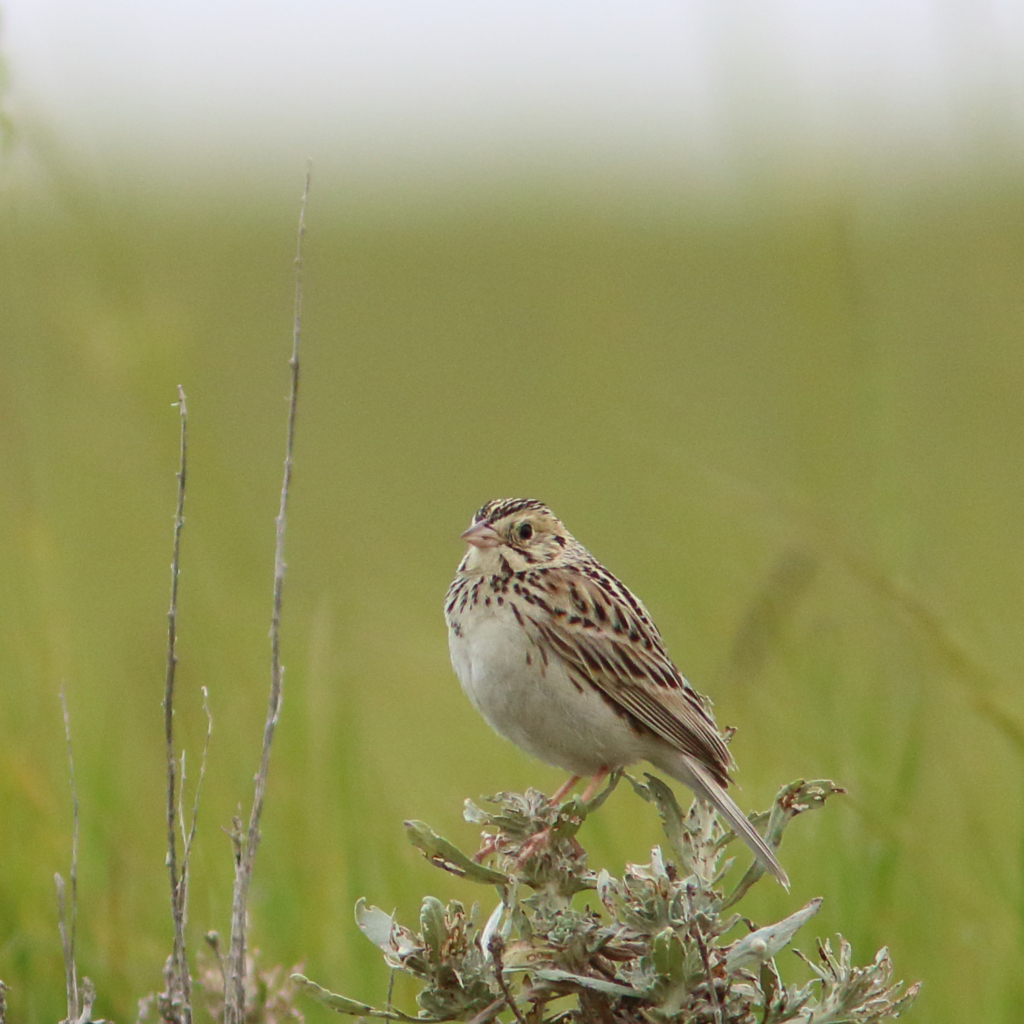
©Baird's SparrowPhoto: Sean Jenniskens
Birds Canada is committed to keeping the Canadian Prairies alive with birdsong. Our efforts focus on working collaboratively with farmers, ranchers, Indigenous communities, other conservation partners, policymakers and agri-food stakeholders to address the systemic threats to grassland and parkland birds.
I grew up on a mixed farm in western Manitoba where I spent many hours in our pastures exploring nature and being captivated by the birds, bugs and mammals that we shared our land with. I’ve always been fascinated by the natural world and our place in it. That interest drove me to continue to learn about agriculture, obtaining my Bachelor’s of Science in Agriculture at the University of Manitoba. Agriculture has such an important role to play in the biodiversity and climate crises we find ourselves in and I am passionate about finding solutions that are mutually beneficial for wildlife, the environment, farmers and ranchers, and society at large. As the Grassland Conservation Manager for Birds Canada I get to work at the interface of agriculture and conservation to find solutions to conserve grassland ecosystems and the birds that make their home there.
Sign up for Birds Canada’s newsletter to receive the latest stories, science, conservation news, and opportunities to get involved.
The unprecedented international effort to understand and reverse declines in one of North America’s most iconic waterbirds.
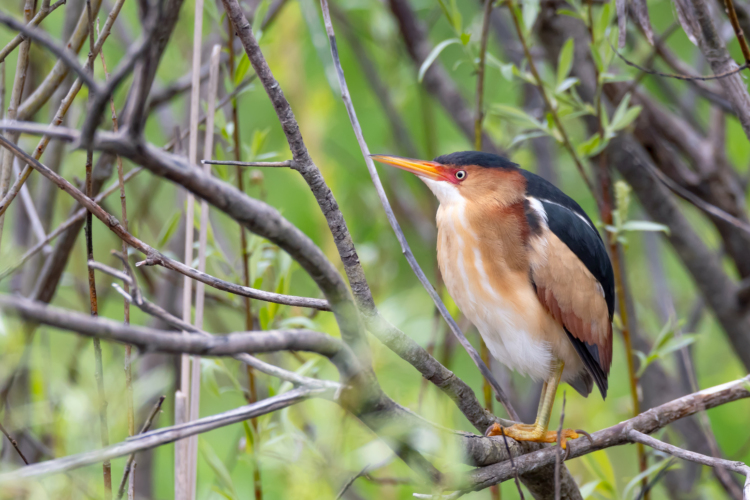
Birds Canada science has helped attract millions of dollars in recent funding to restore hundreds of hectares of threatened Great Lakes coastal wetlands for birds. Read on to see how data from our Great Lakes Marsh Monitoring Program and science-based recommendations from our Long Point Waterfowl and Wetlands Research Program have been critical for making this happen.
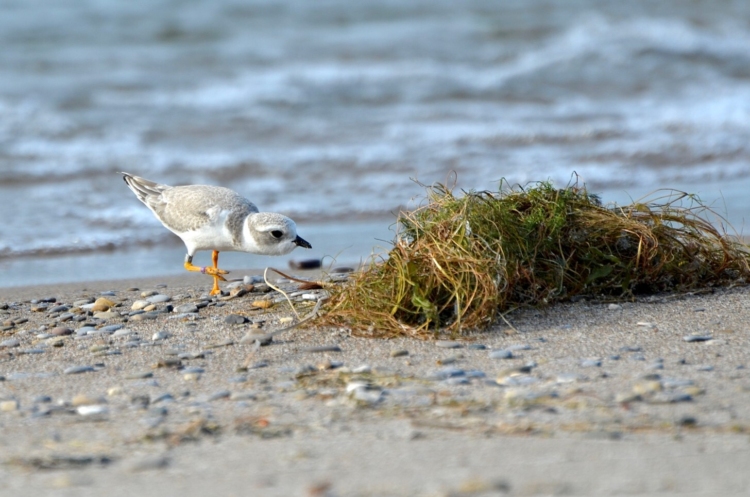
More than a century of conservation efforts paid off this spring, when a pair of Piping Plovers established a nest at Long Point for the first time since 1977. For nearly 50 years, birders, scientists, and nature lovers have eagerly awaited the return of nesting Piping Plovers to the Canadian shores of Lake Erie. Read on to learn just how significant this return is, and why it gives us hope for the future.