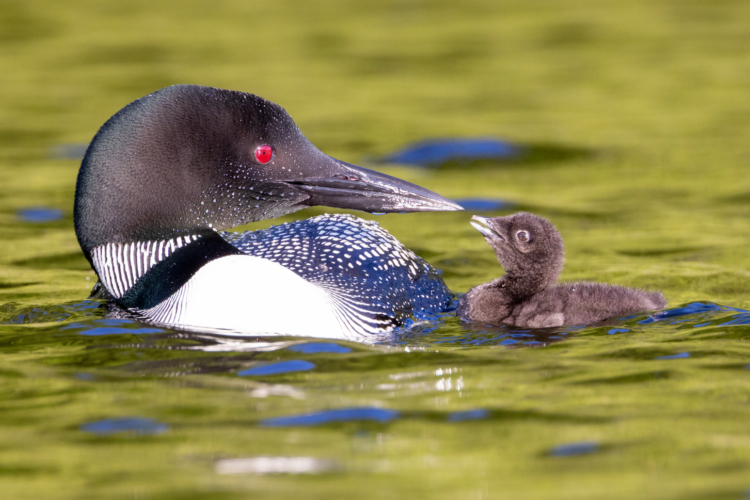
New Common Loon research uncovers a widespread decline and calls for action
The unprecedented international effort to understand and reverse declines in one of North America’s most iconic waterbirds.
The Prairies, with their rich biodiversity, are one of the most important ecosystems for birds in North America. This article explores the connections between the Canadian Prairies, prairie producers, and birds.
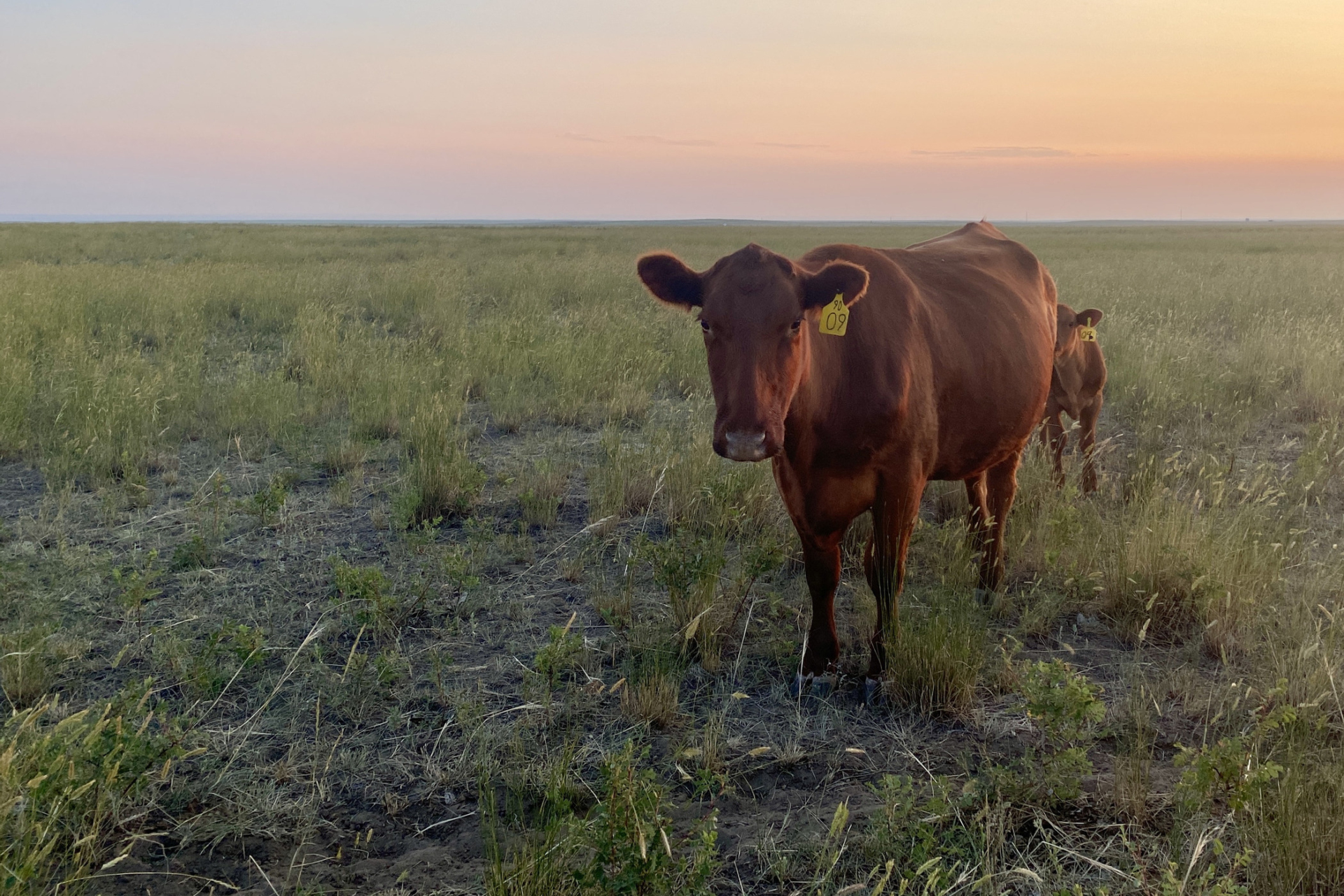
Photo: Aaron Roberge
Photo: Aaron Roberge
Prairie plants and animals evolved alongside free-roaming bison and the pressure of their continuous grazing. With the loss of the bison, cattle and other livestock are now filling the niche of the grazer, which is vital to the health of the prairie ecosystem. Grazing livestock maintain the variety of vegetation heights that grassland birds need, enhance the diversity of plants, and even improve carbon sequestration. Many of the remaining grasslands are owned or managed by cattle producers. In essence, this makes livestock producers the guardians of one of the world’s most endangered ecosystems, the prairie grasslands, and integral to the survival of our grassland birds!
Consider this: lands used to raise cattle represent one-third of the total agricultural land in Canada. However, they provide two-thirds of the wildlife habitat found on Canadian agricultural lands. Bobolinks, Sprague’s Pipits, Chestnut-collared Longspurs, and Burrowing Owls can thrive in pastures with cattle, bison, or even sheep. They cannot live in corn fields or lentil fields.
Being in the cattle business isn’t easy, though, and cattle producers are becoming fewer on the Canadian Prairies. In Manitoba in 2016, there were 360 fewer cattle producers than there had been just five years previous. The average age of a cattle producer in Manitoba is currently 55, and as these producers retire, there are fewer young people who want to, or are able to, take over the family ranch. The land is then often sold to the highest bidder and quite frequently tilled up and put into annual crop production. Market pressures and perverse regulatory incentives are driving the conversion of grasslands to annual crop production, and thus the loss of grassland bird habitat. It is simply more profitable to grow a field of canola or soybeans than it is to raise cattle.
One of the major concerns around beef production is its contribution to climate change. Climate change is the most urgent environmental challenge of our times, so supporting the beef industry as an environmental organization may seem counterintuitive. However, without grazing livestock, we will lose the grasslands that we urgently need to maintain grassland bird populations – which are rapidly declining. And Canadian native prairie grasslands are vital carbon landscapes with exceptional carbon storage value, storing up to 180 tonnes of carbon per hectare. Grasslands sequester at least as much carbon as forests do, and grasslands may in fact be the more reliable carbon sinks, as most of their carbon is stored underground and not lost during fire events. Keeping grasslands intact is therefore important for achieving our greenhouse gas emission reduction targets.
Birds Canada is committed to supporting Canadian Prairie livestock producers in sustaining what remains of our prairie grassland bird populations. It is important for livestock producers and conservation organizations like Birds Canada to be allies on the Prairies. Indeed, many bird conservation organizations are partnering with livestock producers. For example, the National Audubon Society (U.S.) has been working with ranchers through their Conservation Ranching program to enhance grassland bird habitat on close to 2 million acres in the U.S., with participating producers receiving a premium for their beef.
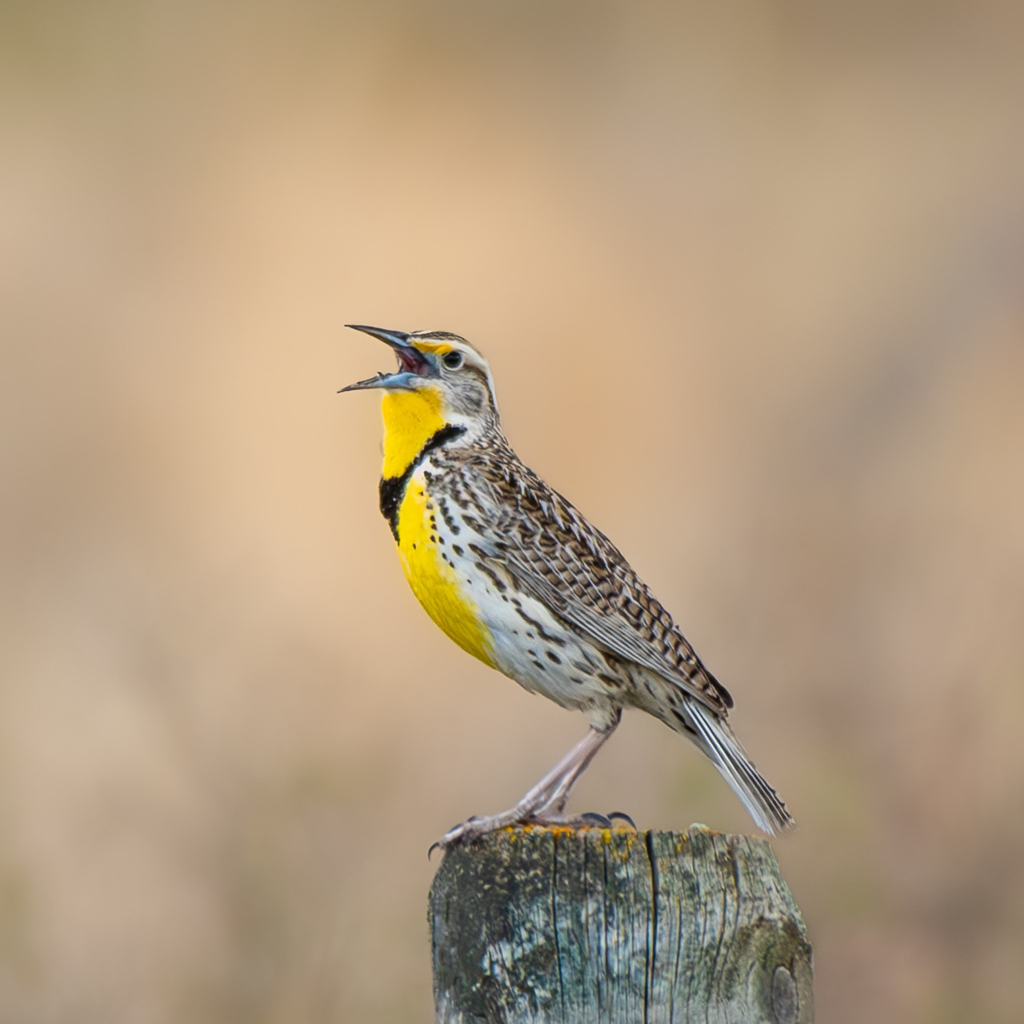
©Western MeadowlarkPhoto: Leanne Wyman
Birds Canada is committed to keeping the Canadian Prairies alive with birdsong. Our efforts focus on working collaboratively with farmers, ranchers, Indigenous communities, other conservation partners, policymakers and agri-food stakeholders to address the systemic threats to grassland and parkland birds.
I grew up on a mixed farm in western Manitoba where I spent many hours in our pastures exploring nature and being captivated by the birds, bugs and mammals that we shared our land with. I’ve always been fascinated by the natural world and our place in it. That interest drove me to continue to learn about agriculture, obtaining my Bachelor’s of Science in Agriculture at the University of Manitoba. Agriculture has such an important role to play in the biodiversity and climate crises we find ourselves in and I am passionate about finding solutions that are mutually beneficial for wildlife, the environment, farmers and ranchers, and society at large. As the Grassland Conservation Manager for Birds Canada I get to work at the interface of agriculture and conservation to find solutions to conserve grassland ecosystems and the birds that make their home there.
Sign up for Birds Canada’s newsletter to receive the latest stories, science, conservation news, and opportunities to get involved.
The unprecedented international effort to understand and reverse declines in one of North America’s most iconic waterbirds.
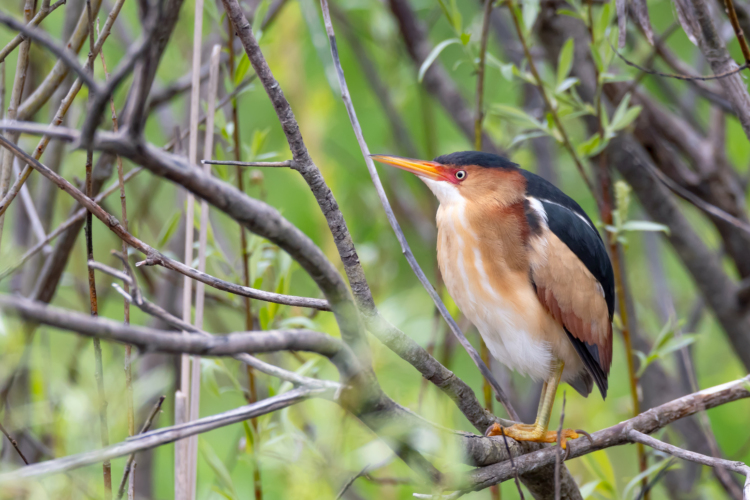
Birds Canada science has helped attract millions of dollars in recent funding to restore hundreds of hectares of threatened Great Lakes coastal wetlands for birds. Read on to see how data from our Great Lakes Marsh Monitoring Program and science-based recommendations from our Long Point Waterfowl and Wetlands Research Program have been critical for making this happen.
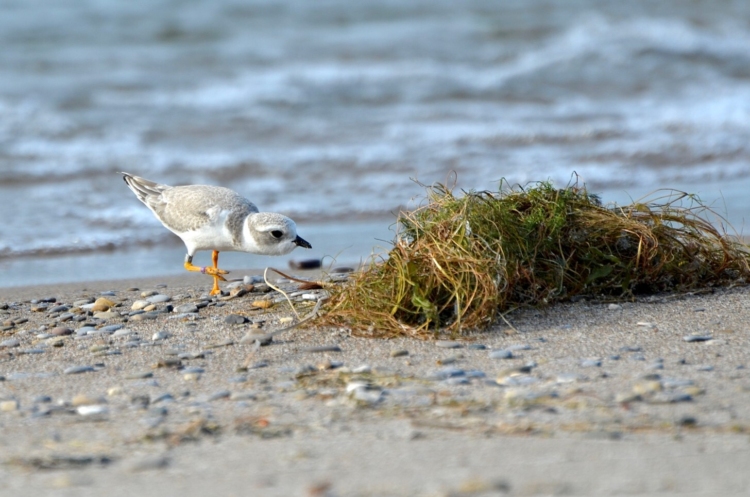
More than a century of conservation efforts paid off this spring, when a pair of Piping Plovers established a nest at Long Point for the first time since 1977. For nearly 50 years, birders, scientists, and nature lovers have eagerly awaited the return of nesting Piping Plovers to the Canadian shores of Lake Erie. Read on to learn just how significant this return is, and why it gives us hope for the future.