Thriving on the Edge
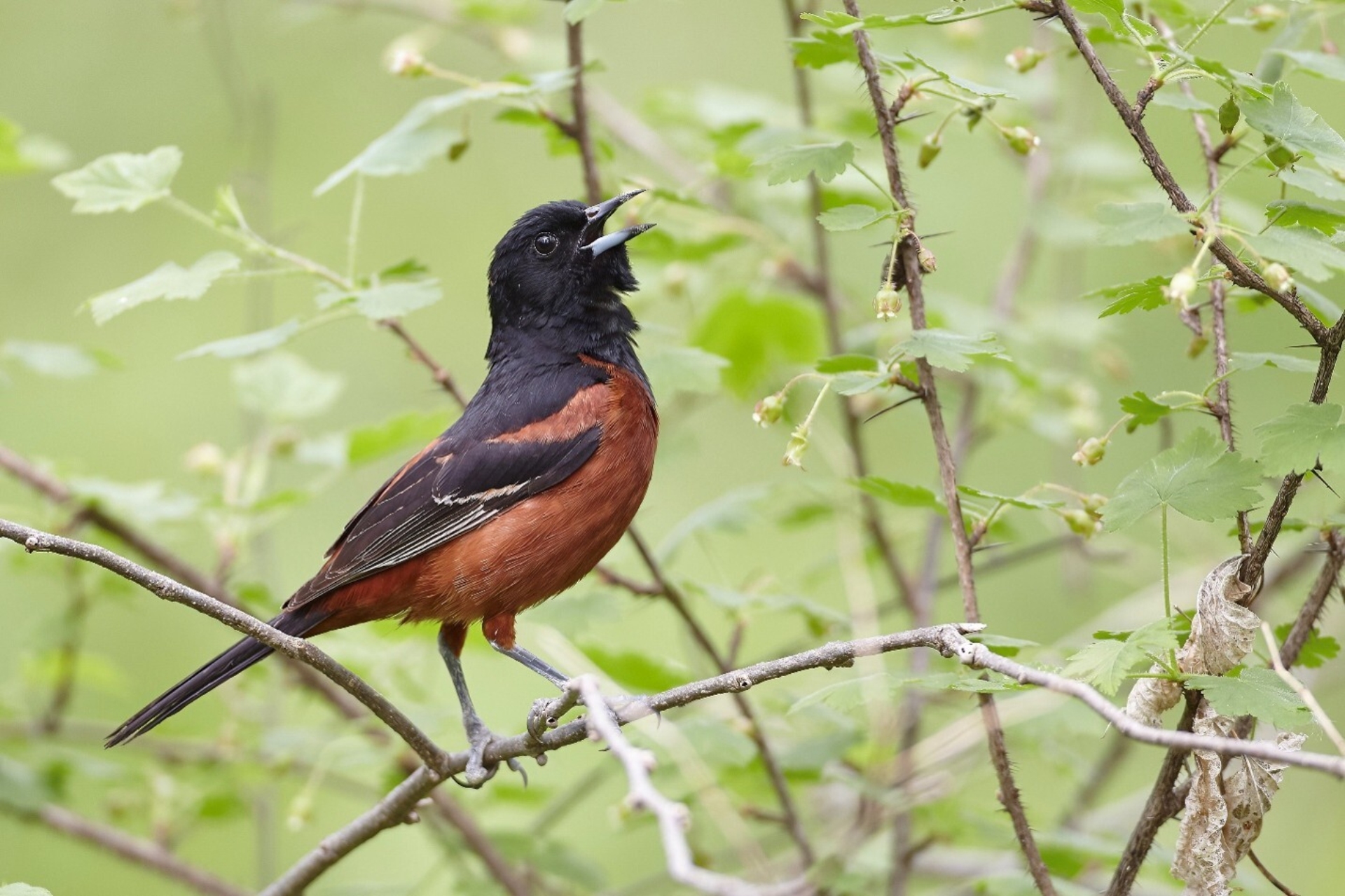
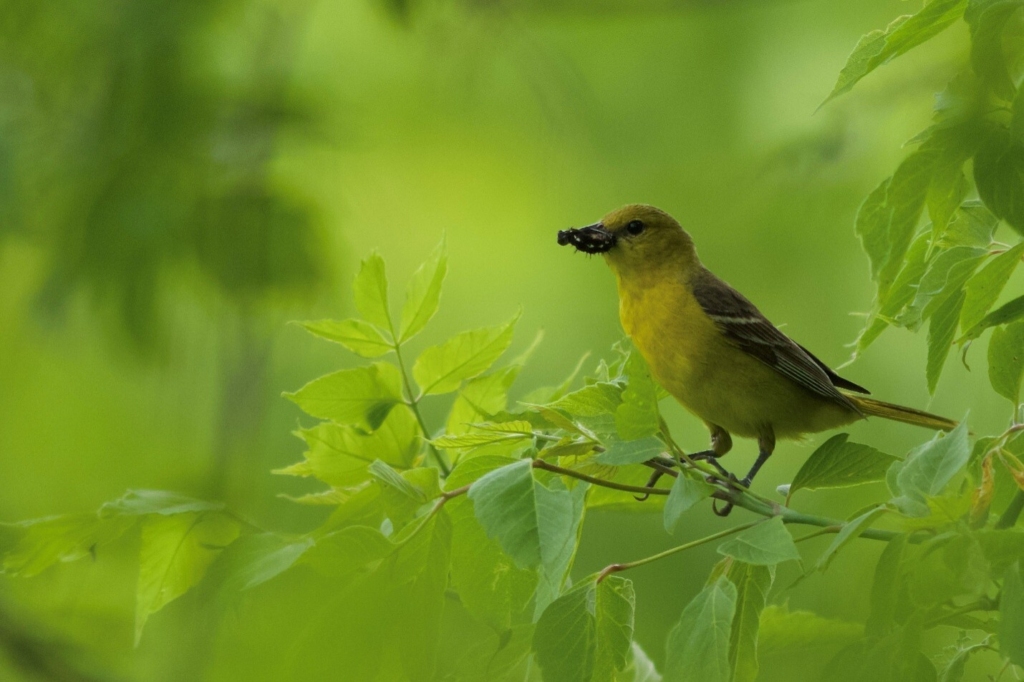
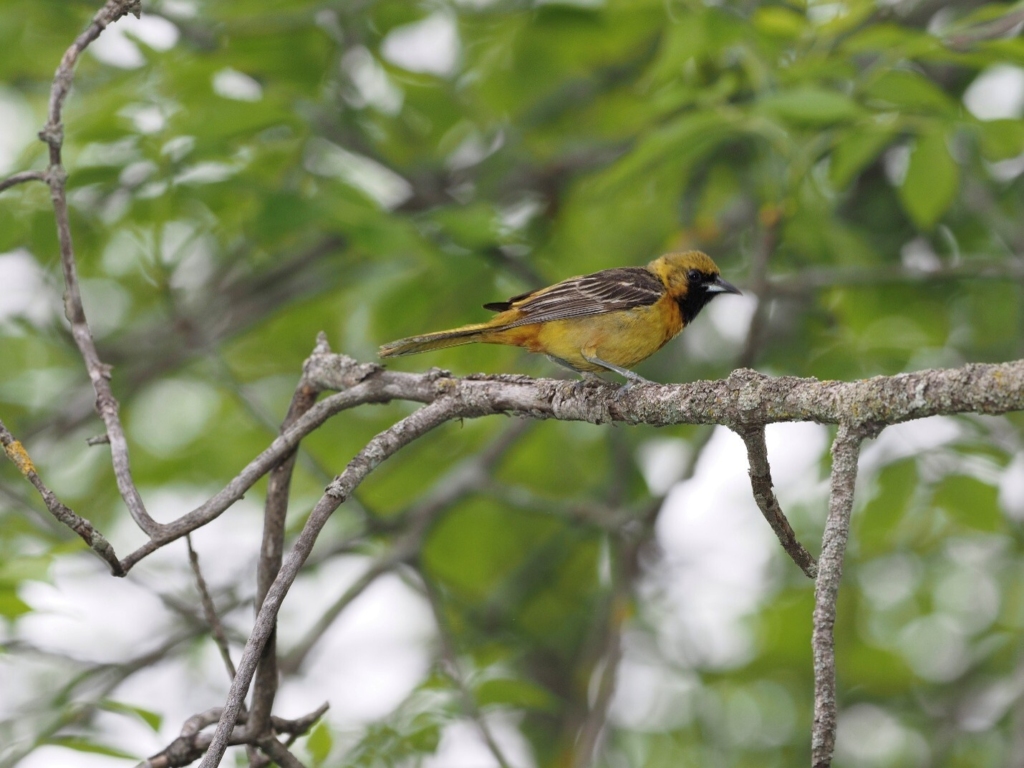
Orchard Orioles prefer edge habitats– transitional zones like forest edges, open woodlands, lakeshores and river edges, and farms (including orchards, for which they’re named). While many species struggle as urbanization and industrialization cause loss of these habitats, Orchard Orioles appear to have found a solution. Typically found breeding across the eastern United States and southern parts of Saskatchewan, Manitoba, and Ontario, data collected by volunteer surveyors for Atlas-3 shows the Orchard Oriole is on the move.
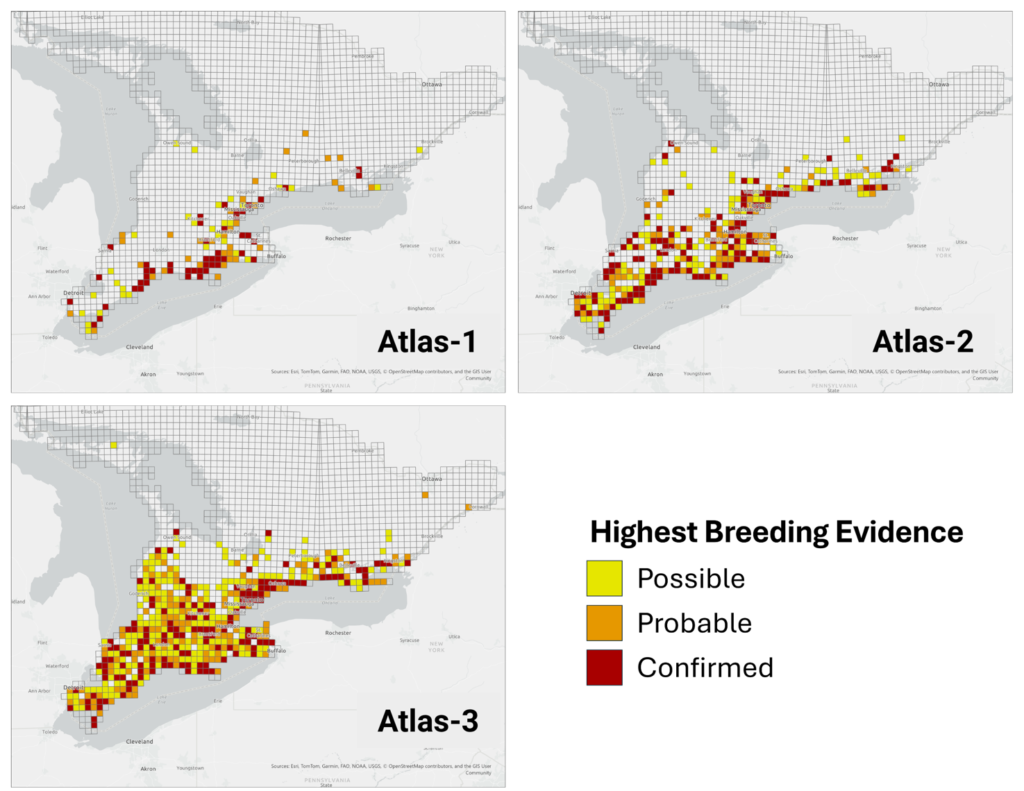
During Ontario’s Atlas-1 (1981-1985) Orchard Orioles were reported primarily along Lake Erie in the southernmost part of the Lower Great Lakes/St. Lawrence Plain Bird Conservation Region, but twenty years later during Atlas-2 (2001-2005) the range had expanded nearly threefold along the shores of Lake Erie and Lake Ontario. Now, the most up to date data from Atlas-3 shows a continued northward expansion along Lake Huron and further up into southern Ontario, nearly doubling the range between Atlas-2 and 3. In Atlas-3, there was confirmed breeding as far north as Carden Alvar and Owen Sound, and as far west as Frontenac Islands! Although it’s too early to know the long term implications of this, it’s an important insight that we will continue to track, and could not have found without the help of Atlas volunteers.
Given the decline of their preferred habitats, how is it possible that the range is actually expanding?
It turns out that Orchard Orioles have a remarkable ability to adapt to the fragmented landscapes that are increasingly present across southern Ontario, such as urban parks and scattered groves of trees. These spaces mimic the open woodlands that Orchard Orioles select for nesting, highlighting the value of prioritizing high-quality greenspaces throughout our cities.