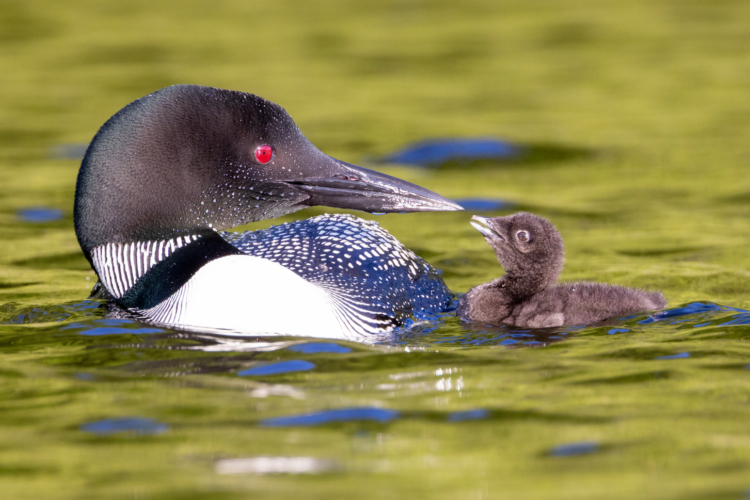
New Common Loon research uncovers a widespread decline and calls for action
The unprecedented international effort to understand and reverse declines in one of North America’s most iconic waterbirds.
What the unravelling of environmental safeguards means for the birds we love
Organizations across Canada, including Birds Canada, are raising concerns about the direction the federal government is taking, following a series of decisions that weaken environmental protections. This is far from the first time that the health of the environment has been misleadingly portrayed as a barrier to economic progress. But over the last few weeks, a succession of worrisome policy decisions has been made which will have compounding impacts on the birds we all love. Alongside similar initiatives in some provinces, these decisions are pushing our ecosystems—the environments we depend on—too far. For ourselves, and for the birds, we must do more. We must do better.
Backsliding on climate leadership
According to the Canadian Climate Institute, “Canada’s commitment to net zero emissions by 2050 is now firmly out of reach”. This, at a time when climate change is already having a significant impact on so many bird populations. Here are just a few examples:
Paving the way for development projects: there’s fast, and then there’s reckless
In addition to the climate setbacks, a set of proposals have been put forward by the federal government which would remove environmental safeguards meant to protect Canadians and nature. These include cart-before-the-horse approvals of projects before they’ve even been properly assessed, creation of “Federal Economic Zones” that exempt infrastructure projects from environmental regulations, and allowing projects that would increase the risk of extinction of species at risk. All this is compounding a similar unraveling of environmental rules occurring in some provinces. Here’s a look at a few development cases and how a lack of environmental safeguards, both provincially and federally, could lead to worse outcomes.
Together, we are Canada’s Voice for Birds
There’s no denying it – the world is changing fast, and at Birds Canada, we understand what’s at stake for the birds we love if governments continue down this path. Sadly, climate change and the ongoing loss of biodiversity will not pause while governments focus on “other priorities”.
Are more effective and streamlined environmental assessments possible? Sure they are, and Birds Canada is directly contributing to making that happen. Take our NatureCounts platform, one of the largest biodiversity databases in the world. By making over 380 million bird records freely available, including 19 million species at risk records, NatureCounts helps regulators and industries make better decisions – faster. With the tools we provide, users can easily identify which species might be present in a project area. Empowered with that information, they can be proactive about development choices or mitigation efforts, saving time and safeguarding sensitive species. This invaluable resource is already used by hundreds of environmental consultants in Canada. In some cases, it can eliminate the need for field studies altogether, streamlining and reducing the costs of impact assessments.
In announcing its proposed changes to further fast-track development, the federal government launched an expedient 30-day consultation period, vowing that “all feedback received will be incorporated into determining next steps and developing any legislative or regulatory proposals”. We believe it is important to put our disappointment on the record, which we are doing this week. We will continue to work with like-minded partners and supporters like you to push back against this unravelling of environmental safeguards. We know that when we work together, we can turn the tide for conservation efforts. Together, more than ever, we are Canada’s voice for birds.
Signed,
Patrick Nadeau
President and CEO
How you can support Birds:
Sign up for Birds Canada’s newsletter to receive the latest stories, science, conservation news, and opportunities to get involved.
The unprecedented international effort to understand and reverse declines in one of North America’s most iconic waterbirds.
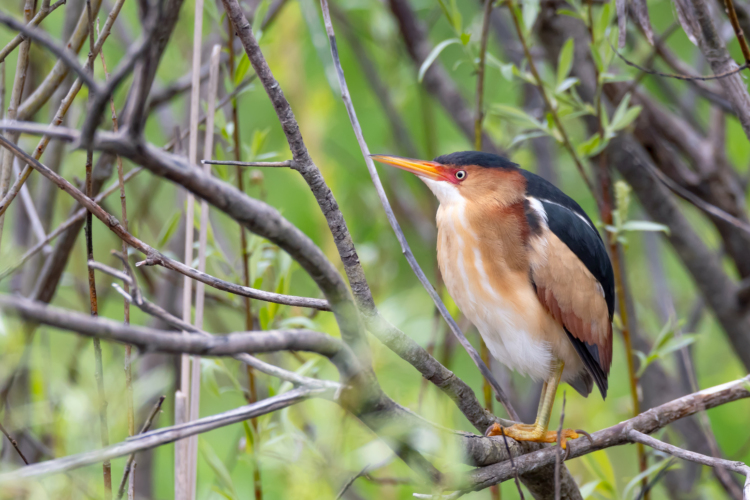
Birds Canada science has helped attract millions of dollars in recent funding to restore hundreds of hectares of threatened Great Lakes coastal wetlands for birds. Read on to see how data from our Great Lakes Marsh Monitoring Program and science-based recommendations from our Long Point Waterfowl and Wetlands Research Program have been critical for making this happen.
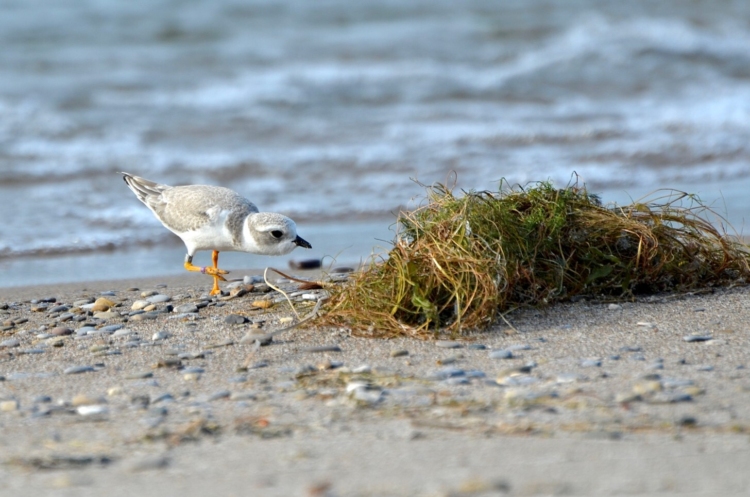
More than a century of conservation efforts paid off this spring, when a pair of Piping Plovers established a nest at Long Point for the first time since 1977. For nearly 50 years, birders, scientists, and nature lovers have eagerly awaited the return of nesting Piping Plovers to the Canadian shores of Lake Erie. Read on to learn just how significant this return is, and why it gives us hope for the future.