Tips for Feeding and Attracting Hummingbirds
Enjoy some of nature's most dazzling little visitors by welcoming hummingbirds to your yard. Hovering though the air, full of energy and colour - the sighting of a hummingbird brings pure delight!
Canada is home to five regularly occurring species of hummingbirds. The Ruby-throated Hummingbird is most widespread – occurring from Alberta to the East Coast. From the foothills and mountains of Alberta west through British Columbia, you can spot the Rufous Hummingbird and the Calliope Hummingbird – the smallest hummingbird in Canada. The final two species are found only in British Columbia – the Anna’s and Black-chinned hummingbirds.
Feeding hummingbirds is a beloved tradition across Canada, and it's easy to see why. With a few simple tips, you can create a safe environment to attract these remarkable little birds to your backyard and enjoy watching them throughout the season.
1. Choose a hummingbird feeder
Make sure it is easy to open and clean, and has red parts. Flowers pollinated by hummingbirds are often red, and hummingbirds are attracted to that colour. Glass feeders are recommended because soft plastic can break down in the heat.
The port size is important. If your ports are too small, they will not allow the nectar out and will be difficult for hummingbirds to use. Ports that are too large may leak and allow insects to get in. Opt for feeders with openings between 3 and 5 mm, and consider adding bee guards, which snap over ports.
Crafty Tip: If your feeder does not have red on it, you can paint the glass with some red nail polish or tie a red ribbon on it!
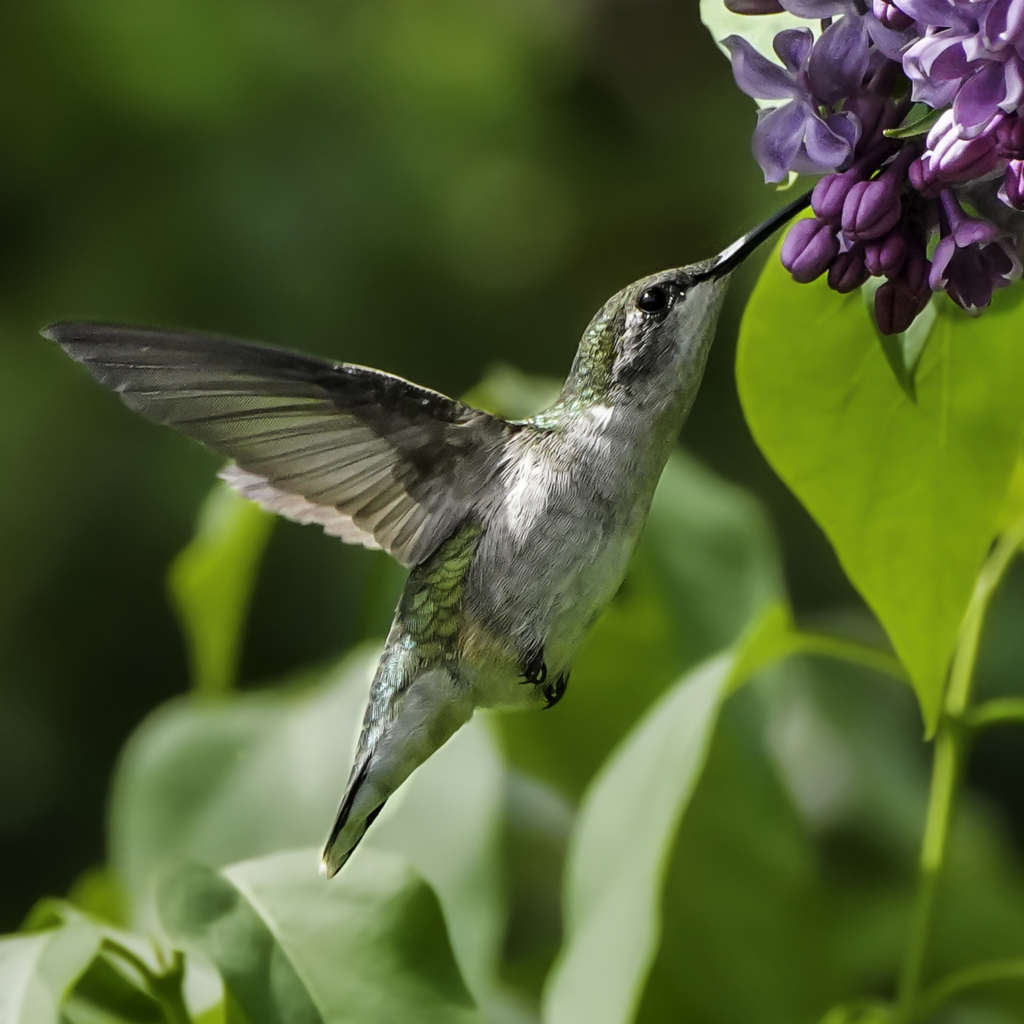
©Rub-throated HummingbirdPhoto: Cathy Siekierko
2. Make your own nectar
Use this easy recipe:
- 1 part granulated white sugar to 4 parts non-distilled drinking water.
- Heat the water if necessary to dissolve the sugar.
- There is no need to boil safe drinking water.
- Do not use honey. Honey fosters bacterial and fungal growth and ferments faster than sugar water, so it should never be used in hummingbird feeders.
- Do not use red dye. The effects of red dye have not been studied in hummingbirds and may be harmful.
3. Change your sugar water regularly
Clean your feeder with hot, soapy water every 2-3 days. For heavily soiled feeders, you can use a vinegar solution or a very mild bleach solution – just be sure to rinse well. If you see any sign of cloudy water or mould, discard and clean immediately. Always rinse feeders in hot or boiling water before adding fresh sugar water.
When purchasing a feeder, make sure it has a large opening so that you can clean the inside of the feeder thoroughly.
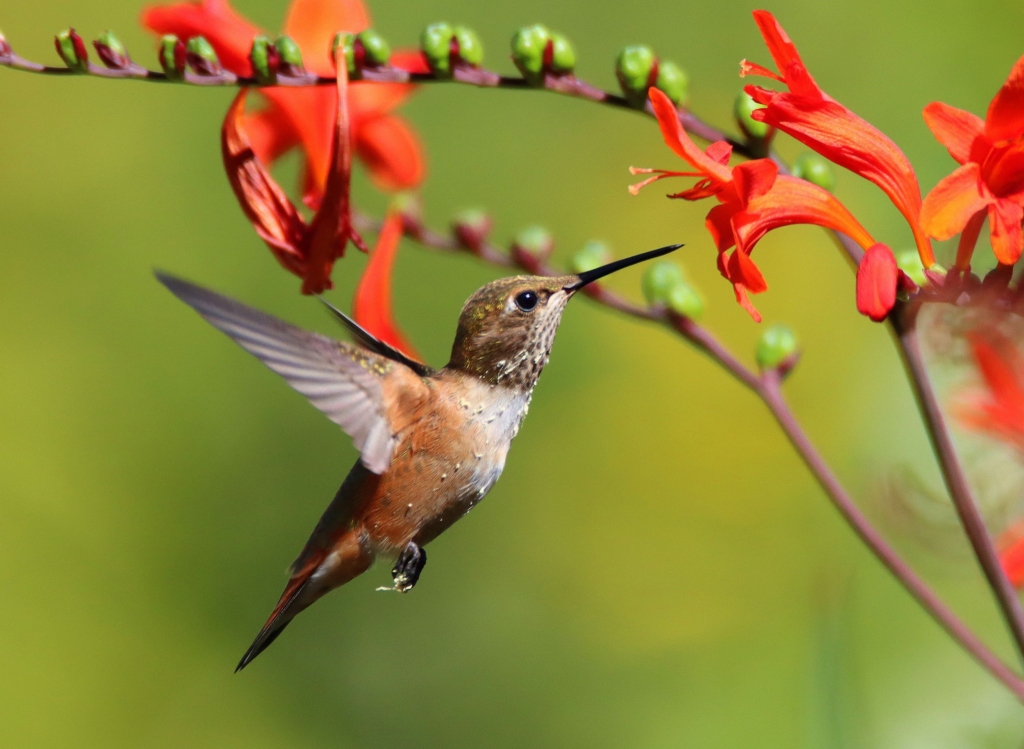
©Rufous HummingbirdPhoto: Geoff McDonell
4. Attract hummingbirds to your backyard
If you have access to a yard, one of the best things you can do is grow plants that have nectar-rich flowers for hummingbirds to feed on. Having a mix of trees and shrubs will also provide habitat for roosting and nesting. Some flowering plants are more attractive to hummingbirds than others. Not only that, a diverse native plant garden will also benefit hummingbirds by supporting native species of insects and spiders. Though sometimes overlooked, insects and spiders form another important part of the hummingbird diet.
Visit birdgardens.ca to learn which plant species grow well in your area, and find a list of native flowering plants that are likely to be attractive to hummingbirds.
5. Select the best placement
Hummingbirds prefer feeders near trees and shrubs where they can rest and observe their surroundings. Set feeders in the coolest of areas, protected from the wind. Make sure your feeder is safe from cats and other predators.
Window collisions are also an issue that affects hummingbirds and treatments for your glass should be taken into consideration whenever you are putting up feeders or naturalizing the habitat near your home.
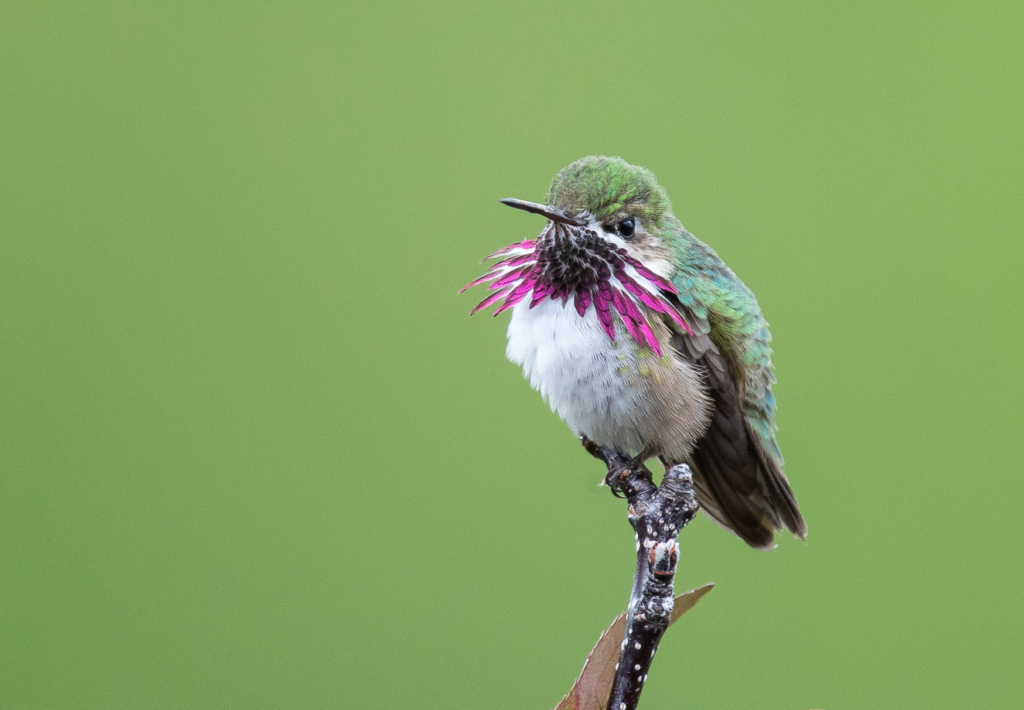
©Calliope HummingbirdPhoto: Caroline Lambert
6. When to put up and take down feeders
Set up and fill your hummingbird feeder before the first spring hummingbird arrives. Male hummingbirds arrive a few days before females and young birds to scout out an area. Try to put out your feeders at least a week or two before hummingbirds are expected to arrive.
To estimate the arrival date, consult the Bar Charts on eBird.ca. Select your province or territory, and county. Scroll down, or if you’re on a computer, search for “hummingbird” using the Control+F or Command+F function to see when hummingbirds arrive in your area).
In the fall, you can help late migrants by waiting until you haven’t seen a hummingbird for three weeks before taking feeders down.
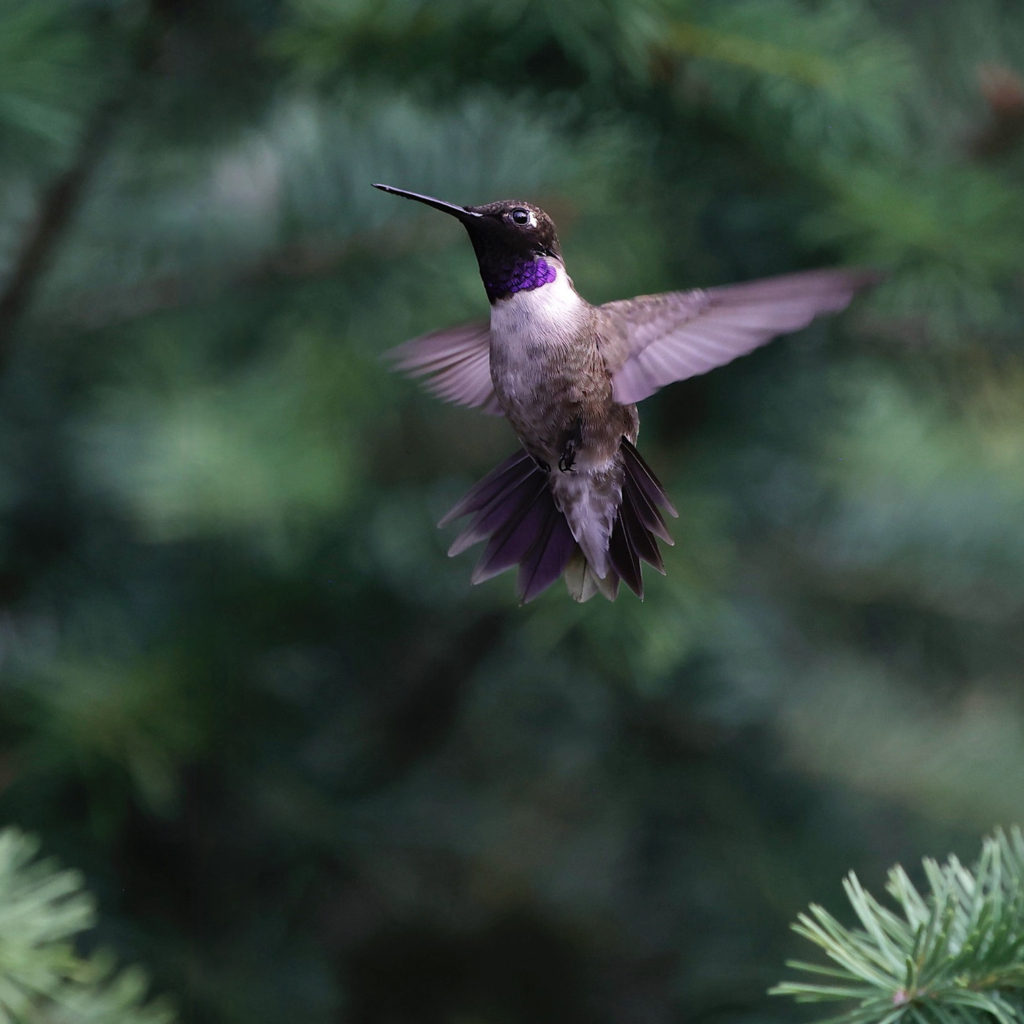
©Black-chinned HummingbirdPhoto: Neal Hutchinson
If hummingbirds use your feeders all day long, they are probably residents, but if you see them only in early morning and late afternoon, they are probably migrating, because hummingbirds tend to migrate midday. Over a period of about a month, a series of migrants may use your feeders without your realizing they are different individuals.
Hummingbirds have an amazing ability to remember locations of food sources. Spring migrants often astonish feeder owners by hovering expectantly over the spots where flowers or feeders were the previous year.
In Canada, mid-to-late summer may seem like a slow point in the backyard birding calendar. And it’s true for many species – but not hummingbirds. August is actually the busiest time for families of hummingbirds visiting nectar feeders and flower gardens before their big migration to Mexico and the southern US.
If you have a photo of one of these dazzling little birds, share it on social media (Facebook, Instagram, or LinkedIn) and tag us!
And don’t forget you can document all of your hummingbird observations on eBird Canada.
Director of Communications
Jody has been birding and banding since his teens, when he began volunteering at Long Point Bird Observatory (LPBO) in Southern Ontario. He is now the Director of Communications at Birds Canada where he manages the organization’s public relations and media, is the co-editor of BirdWatch Canada Magazine, producer of the Warblers Podcast and a coordinator of eBird Canada.
Former Project FeederWatch Canada Coordinator
Kerrie started her career at Birds Canada in 1999 when she worked on Phragmites mapping with Long Point Waterfowl. Kerrie took on the coordination of Project FeederWatch in 2006, and the Great Backyard Bird Count in 2010, and also worked for several years as executive assistant for the president and the board of directors. After 25 years with Birds Canada, Kerrie Wilcox has decided to move on and start a new chapter.
Stay Connected with Birds Canada
Sign up for Birds Canada’s newsletter to receive the latest stories, science, conservation news, and opportunities to get involved.
Discover More Articles Like This
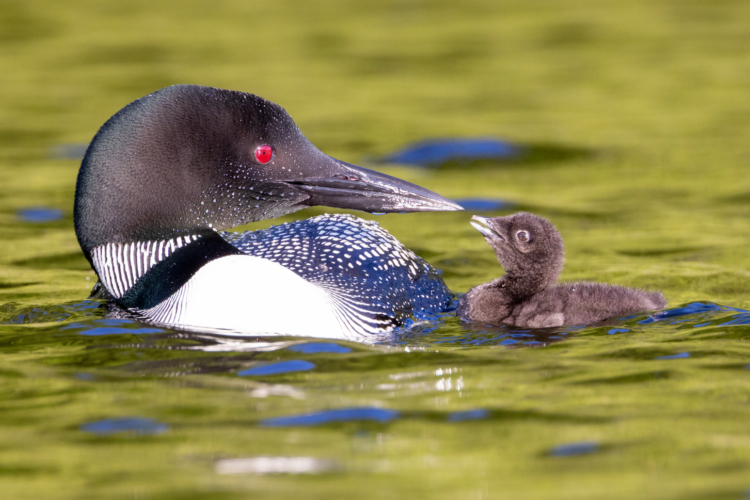
New Common Loon research uncovers a widespread decline and calls for action
The unprecedented international effort to understand and reverse declines in one of North America’s most iconic waterbirds.
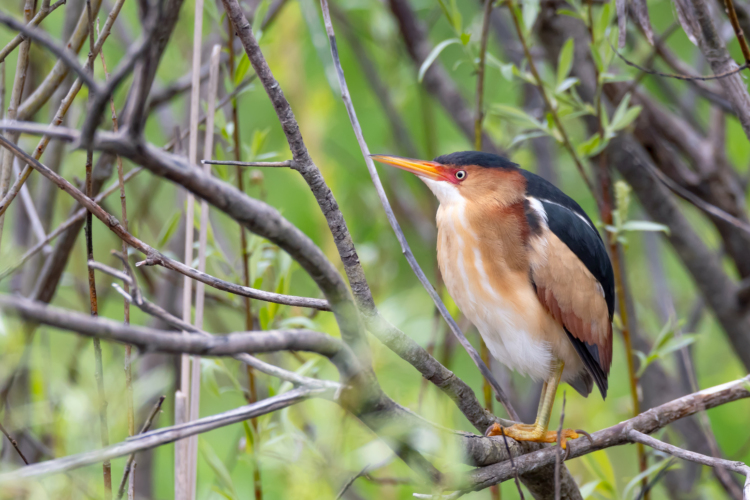
Birds Canada Science Critical for Great Lakes Coastal Wetland Bird Conservation
Birds Canada science has helped attract millions of dollars in recent funding to restore hundreds of hectares of threatened Great Lakes coastal wetlands for birds. Read on to see how data from our Great Lakes Marsh Monitoring Program and science-based recommendations from our Long Point Waterfowl and Wetlands Research Program have been critical for making this happen.