New Common Loon research uncovers a widespread decline and calls for action
The unprecedented international effort to understand and reverse declines in one of North America’s most iconic waterbirds.
Bird Atlases across the country are providing insights into our most-loved species, but one that is sometimes overlooked is the Orchard Oriole (the Baltimore Oriole steals the attention!). Learn about an endearing species and it’s fascinating range expansion – knowledge gained with the help of Atlas volunteers.
©Orchard OriolePhoto: John Reaume
©Orchard OriolePhoto: John Reaume
For many bird enthusiasts across southern Canada, a sure sign that spring has arrived is a flash of bright orange through budding trees, accompanied by rich, melodious whistles announcing the arrival of Baltimore Orioles. However, there is a less familiar, smaller species of oriole that makes the long journey up to Canadian breeding grounds: the Orchard Oriole.
Thanks to exciting new data from the Third Ontario Breeding Bird Atlas (Atlas-3), we know how this species has been faring for the past 40 years in the face of significant habitat loss. Between 2021 to 2025 over 2,000 volunteer surveyors documented the presence of breeding birds across Ontario. For the Orchard Oriole, this data tells us a fascinating story of adaptation in a changing landscape – but first, let’s get to know this dapper bird!
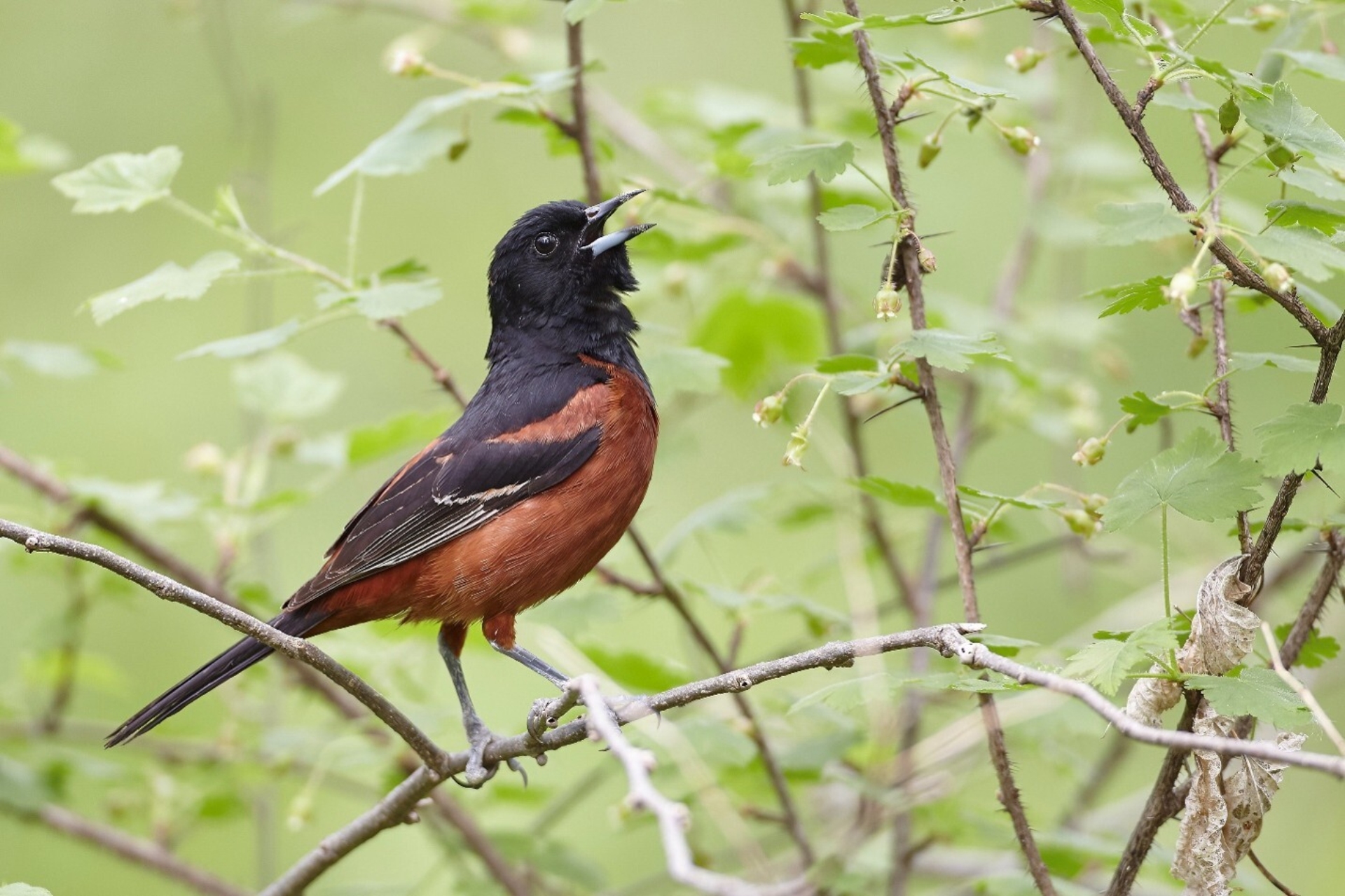
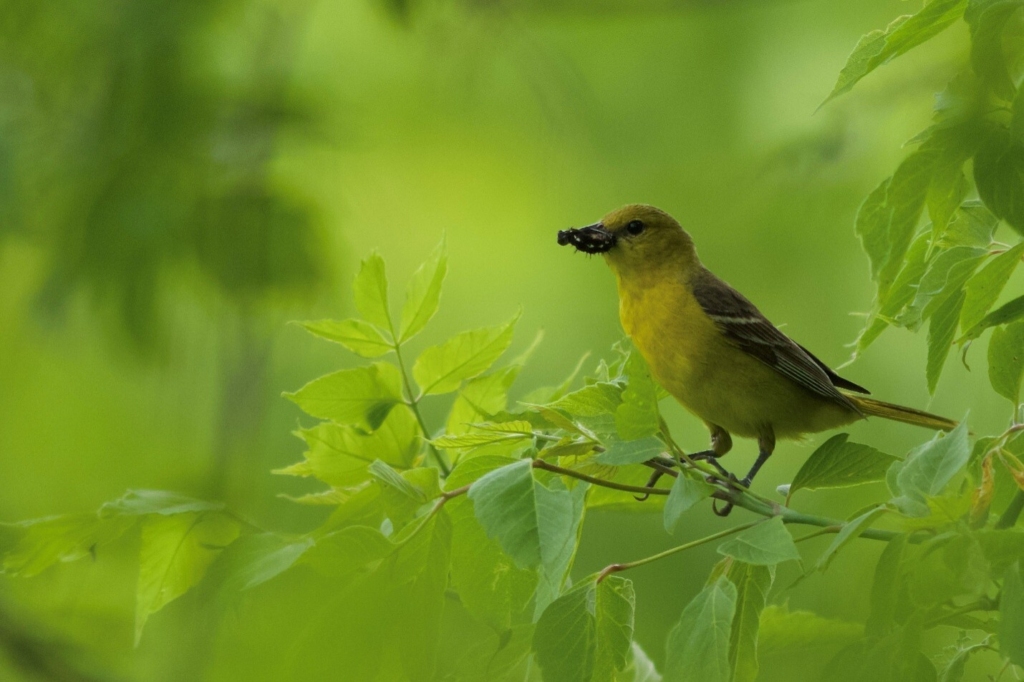
Lacking the fiery orange of the Baltimore Oriole, the adult male Orchard Oriole is no less striking. He has a solid black hood that tops a distinctive chestnut-coloured body that appears to radiate a warm glow from the treetops as he performs lively, warbling songs composed of clear, high-pitched whistles. Females are more understated, with a greenish-yellow plumage, and singing a simpler song less frequently than the males. If you spot a bird that looks like a female but has a prominent black throat, you have found an immature male.
During the summer Orchard Orioles primarily eat insects, supplemented by nectar and berries. Once the birds begin migrating south to non-breeding grounds their diet shifts to mostly berries, with some favourites being Red Mulberry and Chokecherry trees. You can welcome orioles – and other birds! – to your own backyard by providing supplemental nectar or creating a Bird Friendly Garden that offers the natural habitat and insects birds need to thrive.
©Orchard OriolePhoto: Kellie Superina
Orchard Orioles prefer edge habitats– transitional zones like forest edges, open woodlands, lakeshores and river edges, and farms (including orchards, for which they’re named). While many species struggle as urbanization and industrialization cause loss of these habitats, Orchard Orioles appear to have found a solution. Typically found breeding across the eastern United States and southern parts of Saskatchewan, Manitoba, and Ontario, data collected by volunteer surveyors for Atlas-3 shows the Orchard Oriole is on the move.
During Ontario’s Atlas-1 (1981-1985) Orchard Orioles were reported primarily along Lake Erie in the southernmost part of the Lower Great Lakes/St. Lawrence Plain Bird Conservation Region, but twenty years later during Atlas-2 (2001-2005) the range had expanded nearly threefold along the shores of Lake Erie and Lake Ontario. Now, the most up to date data from Atlas-3 shows a continued northward expansion along Lake Huron and further up into southern Ontario, nearly doubling the range between Atlas-2 and 3. In Atlas-3, there was confirmed breeding as far north as Carden Alvar and Owen Sound, and as far west as Frontenac Islands! Although it’s too early to know the long term implications of this, it’s an important insight that we will continue to track, and could not have found without the help of Atlas volunteers.
Given the decline of their preferred habitats, how is it possible that the range is actually expanding?
It turns out that Orchard Orioles have a remarkable ability to adapt to the fragmented landscapes that are increasingly present across southern Ontario, such as urban parks and scattered groves of trees. These spaces mimic the open woodlands that Orchard Orioles select for nesting, highlighting the value of prioritizing high-quality greenspaces throughout our cities.
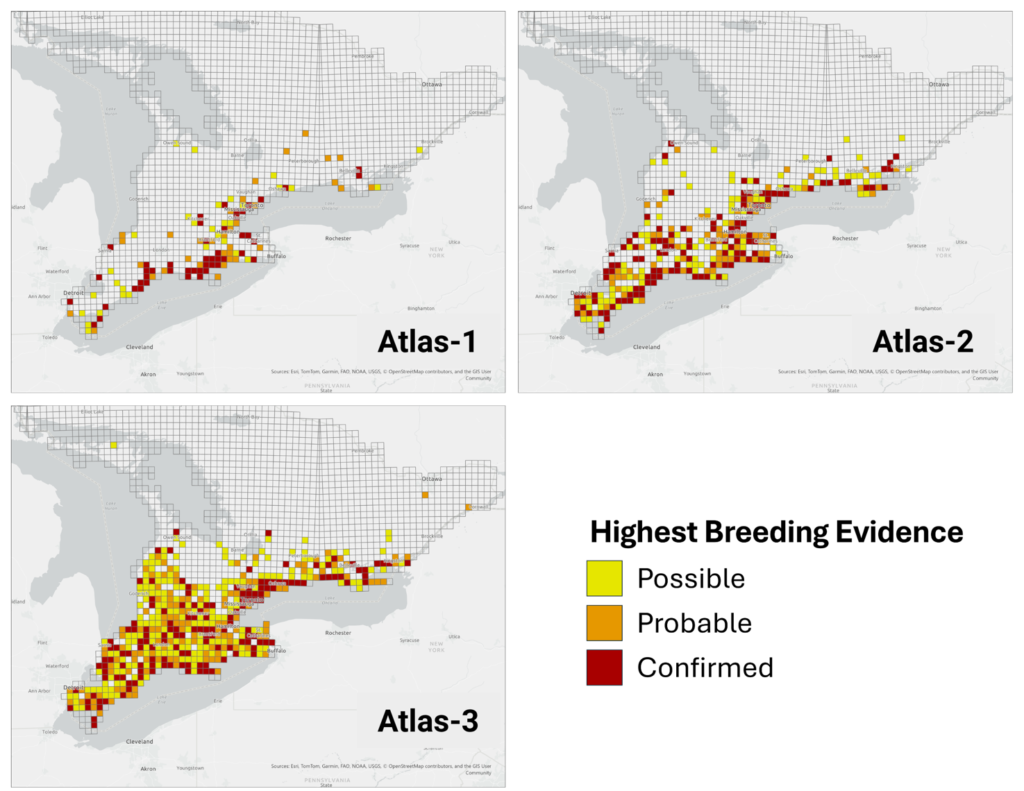
Maps showing the change in distribution and breeding evidence for Orchard Orioles between Atlas-1 (1981–1985), Atlas-2 (2001–2005), and Atlas-3 (2021–2025).
The Orchard Oriole has a remarkably short breeding season. They arrive in Canada around mid-May, having flown from Mexico and parts of northern South America – and they begin their trip back to the non-breeding sites as early as mid-July. This leaves only a short time for birds to find a mate, construct their intricately woven pouch-shaped nests that hang from tree branches, and raise their young. This narrow window can make it challenging to distinguish between birds that are settled for breeding, and those already heading back south, but that didn’t deter the Atlas volunteers!
Out in the field, volunteers documented three types of Breeding Evidence based on behavioural observations: confirmed, probable, and possible. Breeding is confirmed with observations of nest building, adult birds entering nests, or recently fledged young. Probable breeding evidence suggests birds might breed (for example, courtship displays), and possible breeding means a bird was observed during its breeding season in suitable nesting habitat.
While we only get to enjoy the presence of Orchard Orioles for a short time each year in Canada, their journey links our local neighbourhoods to the tropical ecosystems of their non-breeding grounds. Once these birds have made their long journey back south, they have important ecological roles to fill. For example, these birds act as pollinators for flowering tropical plants! Feeding on nectar from the flowers, the oriole's head becomes dusted with tiny grains of pollen. The grains of pollen are then transferred between flowers–similar to a bee, traveling from flower to flower.
As you scan the treetops for that signature chestnut glow this spring, remember that you are witnessing a story of global connection and resilience. The successful expansion of the Orchard Oriole into human-altered environments is a testament of the profound impact that small tree groves and urban parks can have on biodiversity and species survival.
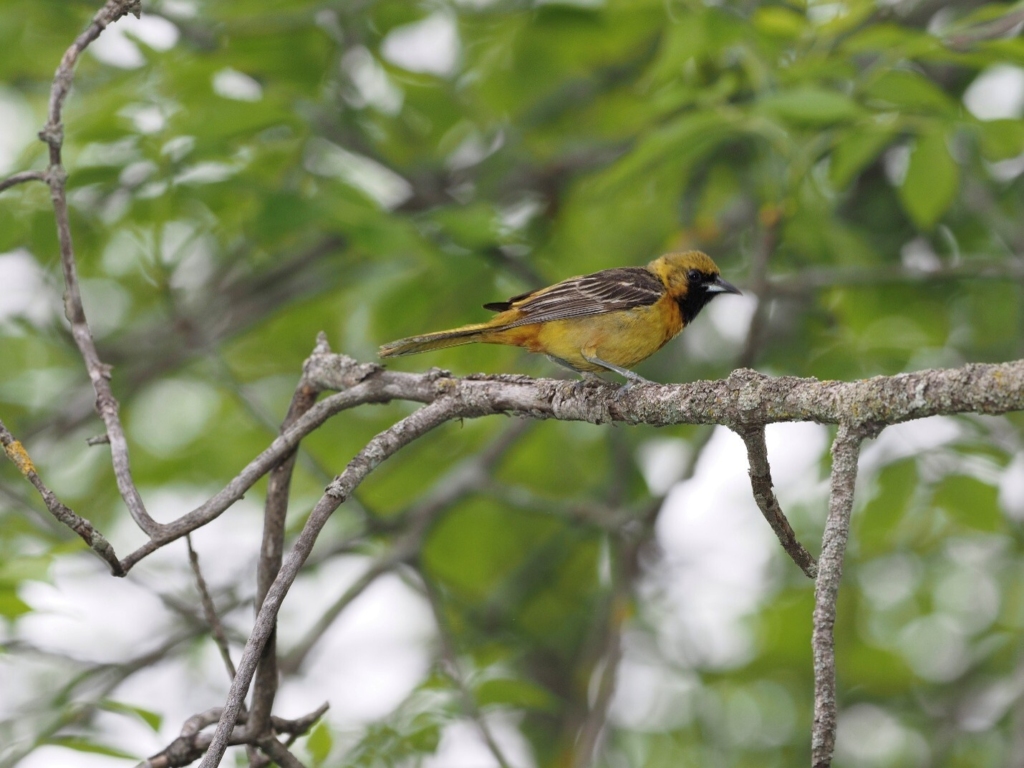
©Immature Male Orchard OriolePhoto: Jim Richards
Atlas-3 is a collaborative effort between Birds Canada, Canadian Wildlife Service (Environment and Climate Change Canada), Ministry of Natural Resources – Government of Ontario, Ontario Field Ornithologists, and Ontario Nature. It is because of these strong collaborations and the incredible contributions of thousands of volunteers that we are able to share good news stories about Ontario’s Breeding Birds, like that of the Orchard Oriole. This data will also contribute to strong science that will be used for evidence-informed bird conservation in the face of significant habitat loss and species decline. Print and digital publications of Atlas-3 will be available in Fall 2027. You can directly support bird conservation by donating to the Ontario Breeding Bird Atlas through this secure link.
As part of the Ontario Breeding Bird Atlas Team, I’m excited to unite people in our shared goal of advancing bird conservation backed by the strong science made possible by the thousands of dedicated volunteer scientists and collaborators who support Birds Canada programs.
Sign up for Birds Canada’s newsletter to receive the latest stories, science, conservation news, and opportunities to get involved.
The unprecedented international effort to understand and reverse declines in one of North America’s most iconic waterbirds.
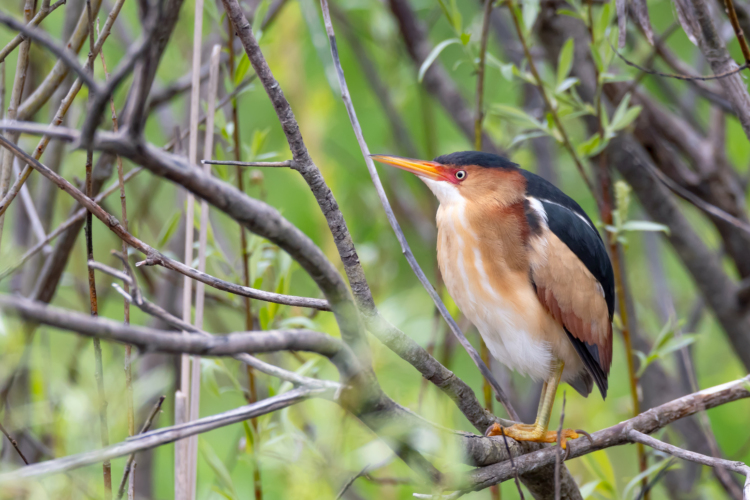
Birds Canada science has helped attract millions of dollars in recent funding to restore hundreds of hectares of threatened Great Lakes coastal wetlands for birds. Read on to see how data from our Great Lakes Marsh Monitoring Program and science-based recommendations from our Long Point Waterfowl and Wetlands Research Program have been critical for making this happen.
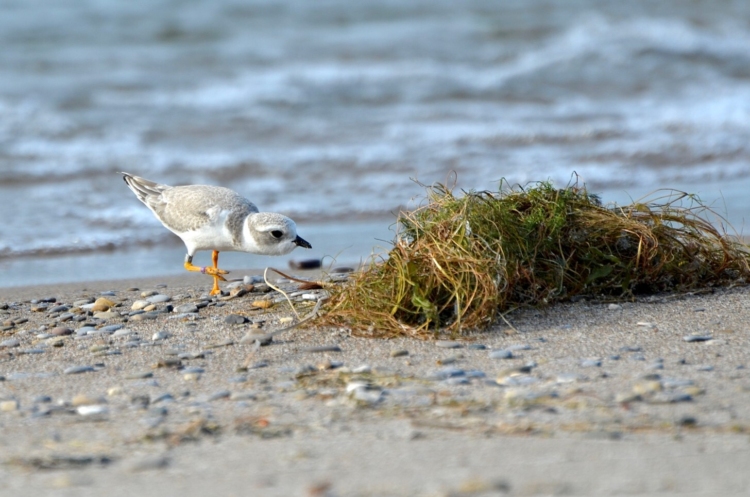
More than a century of conservation efforts paid off this spring, when a pair of Piping Plovers established a nest at Long Point for the first time since 1977. For nearly 50 years, birders, scientists, and nature lovers have eagerly awaited the return of nesting Piping Plovers to the Canadian shores of Lake Erie. Read on to learn just how significant this return is, and why it gives us hope for the future.