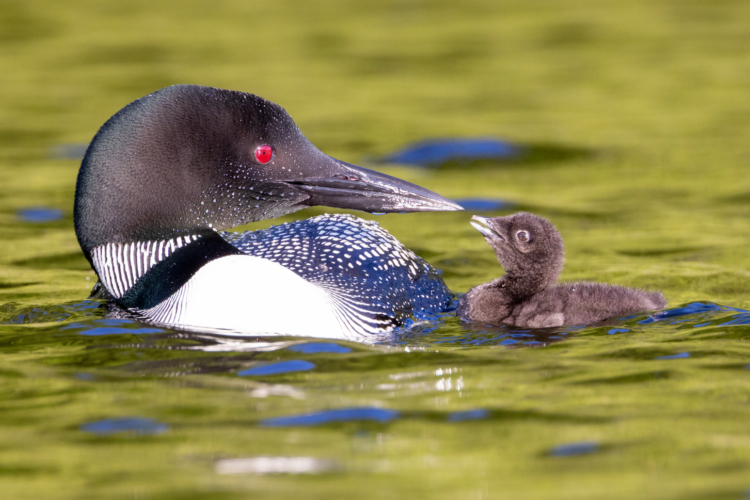
New Common Loon research uncovers a widespread decline and calls for action
The unprecedented international effort to understand and reverse declines in one of North America’s most iconic waterbirds.
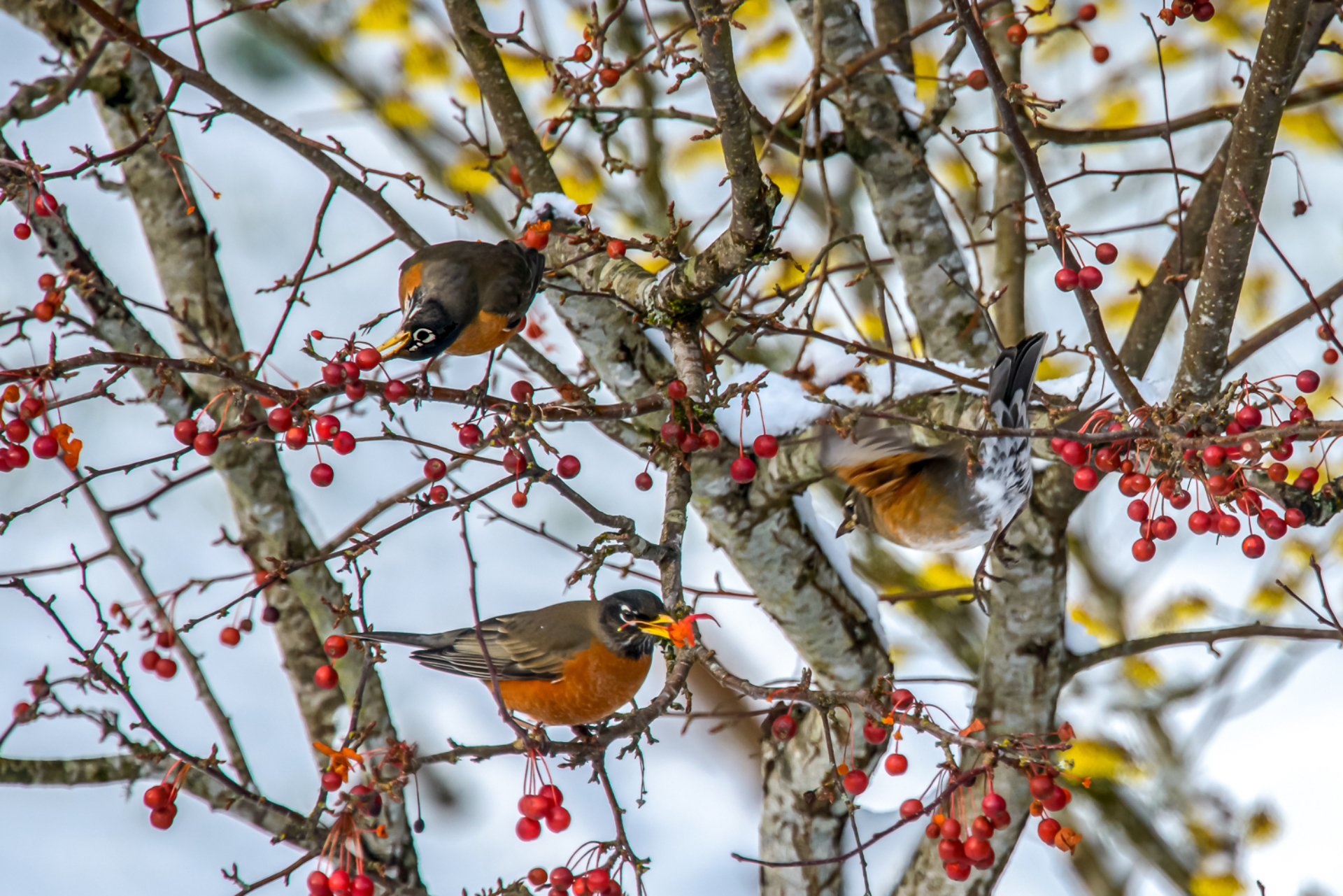
©American RobinPhoto: Brent Howard
©American RobinPhoto: Brent Howard
If you’re an early riser, you’ll have a cheerful friend in the morning light: the American Robin.
American Robins are comfortable in wilderness and city environments. You’ll find them on lawns, in urban parks, forests, mountains, and more. Look for their iconic rusty-orange chests contrasting against their gray back and wings.
This thrush species’ song is also a sign of spring. Listen for the string of 10 or so cheery, high-pitched whistles. You can also hear them call tuk to one another.
American Robins’ food preferences change based on the time of day. Earthworms are a breakfast delicacy, whereas fruit is eaten in later hours. Eating honeysuckle exclusively can sometimes intoxicate this small bird.
Female robins build the nests for their young by combining dead grass and twigs into a cup shape, reinforced with paper, feathers, moss, and mud. American Robin eggs are stunning, as their bright, sky blue or blue-green colours dazzle in the sunlight.
Over 50,000,000 adult American Robins can be found across the country, according to the Government of Canada’s Status of Birds in Canada 2019 report.
Sign up for Birds Canada’s newsletter to receive the latest stories, science, conservation news, and opportunities to get involved.
The unprecedented international effort to understand and reverse declines in one of North America’s most iconic waterbirds.
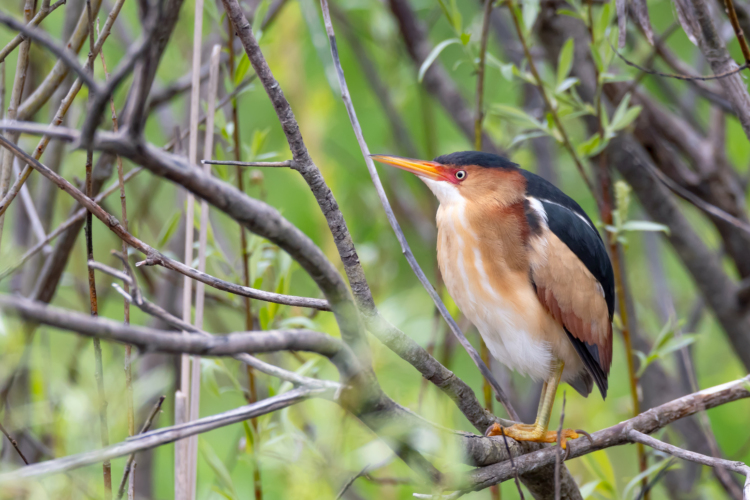
Birds Canada science has helped attract millions of dollars in recent funding to restore hundreds of hectares of threatened Great Lakes coastal wetlands for birds. Read on to see how data from our Great Lakes Marsh Monitoring Program and science-based recommendations from our Long Point Waterfowl and Wetlands Research Program have been critical for making this happen.
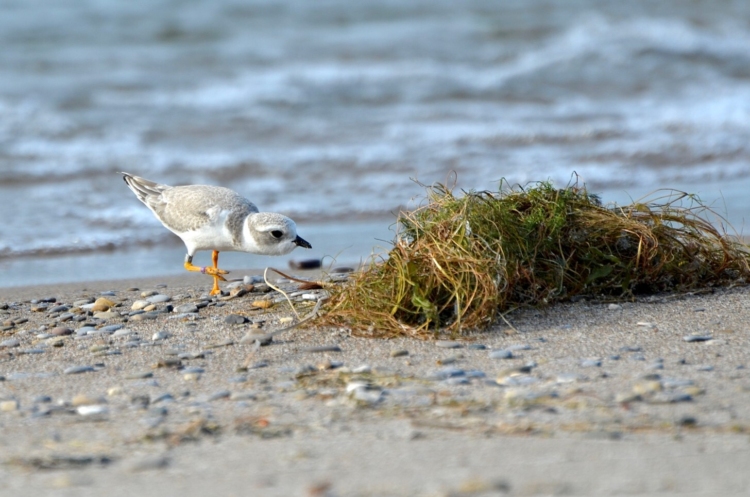
More than a century of conservation efforts paid off this spring, when a pair of Piping Plovers established a nest at Long Point for the first time since 1977. For nearly 50 years, birders, scientists, and nature lovers have eagerly awaited the return of nesting Piping Plovers to the Canadian shores of Lake Erie. Read on to learn just how significant this return is, and why it gives us hope for the future.