Boots on the Ground
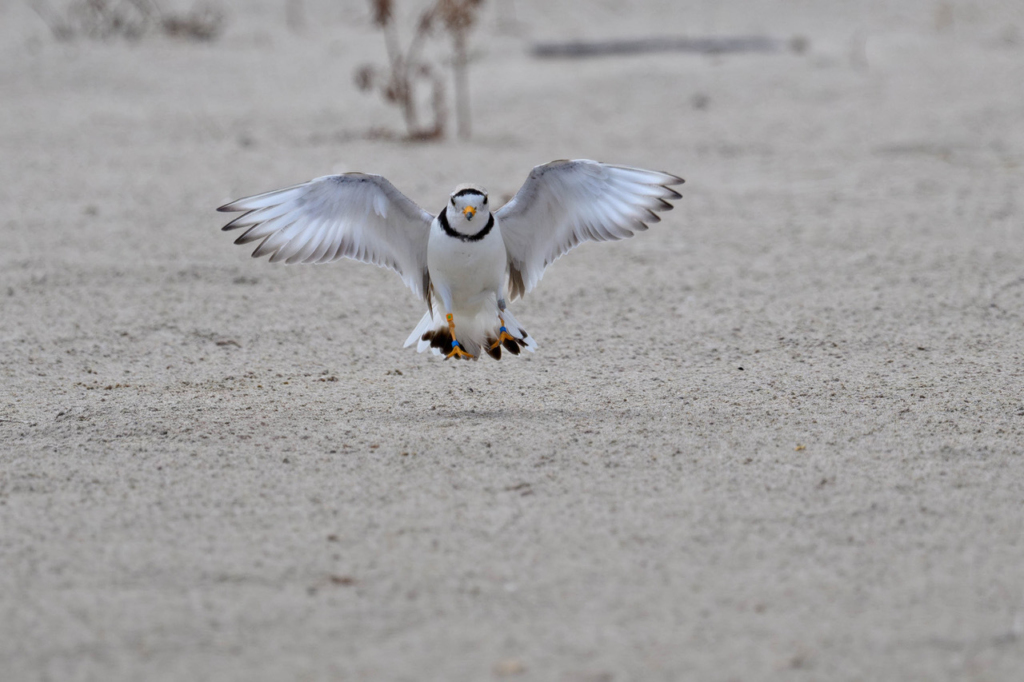
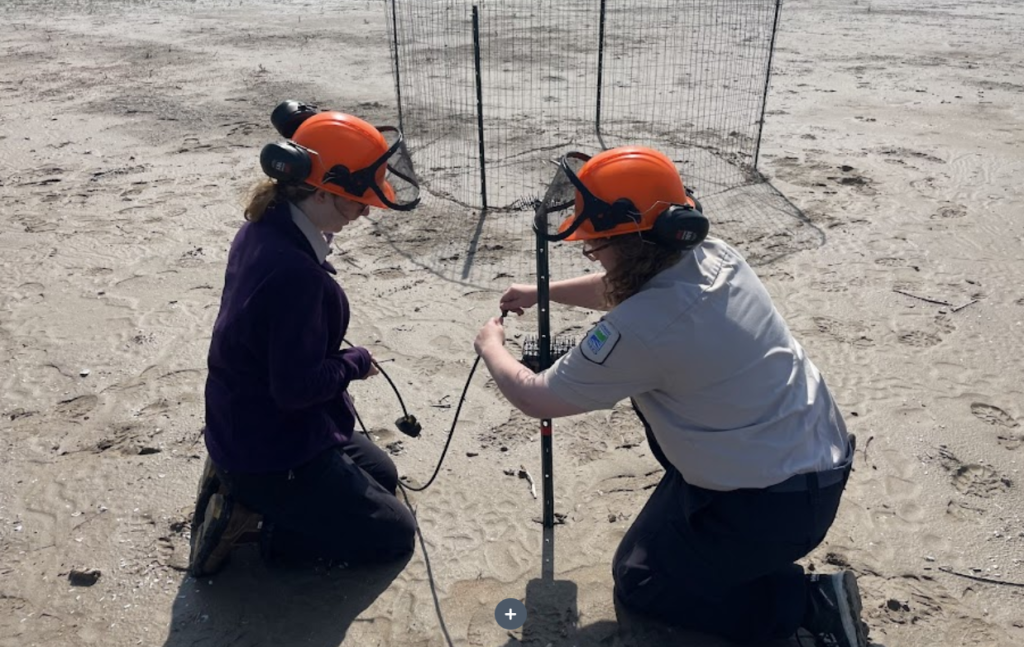
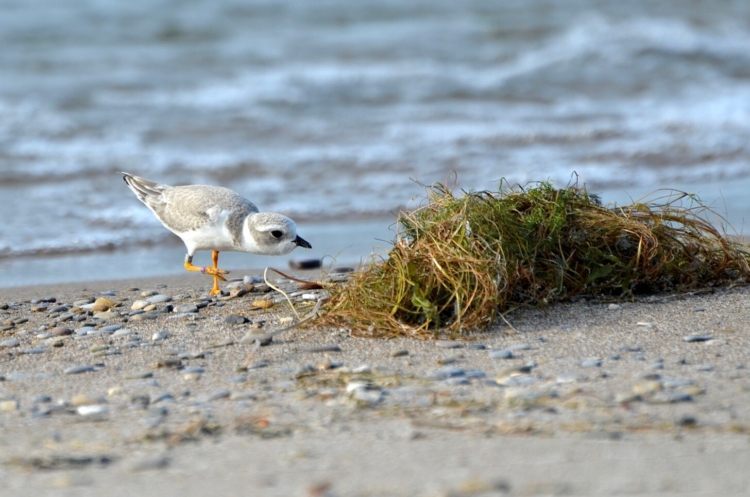
The most visible part of our program is nest monitoring. From dusk to dawn, every day of the week, staff and volunteers are out on the sand collecting data, answering questions from the public, and helping beach users learn about the birds they share the shore with. At Ontario’s busiest nest sites like Wasaga Beach Provincial Park and Toronto Island, volunteers can collectively log over 1,300 hours in a single season! Not only does the data give us real time information to protect the birds, but it also helps us prepare for future seasons and engage with beach users. Our interactions on the beach are overwhelmingly positive; people are curious, surprised, and often joyful to learn that a tiny, endangered shorebird has chosen their favourite beach to raise their family. Once they see those little cottonball chicks scurrying around on the beach, it’s love at first sight!
Signs of Success
Piping Plovers were listed as endangered under the United States Endangered Species Act in 1986, when the population had reached a record low of less than 15 pairs. Scientists in Michigan, where the last few pairs remained, developed intensive recovery methods that eventually allowed the population to grow and reestablish historic nest sites throughout the Great Lakes. Ontario has adopted these same proven methods, and we continue to shift them as new research is published and beach dynamics change. Since Piping Plovers returned to Ontario in 2007 after a 30 year absence, the province has fledged more than 180 chicks. Countless hours of research, preparation, problem-solving, and collaboration have paid off - the Great Lakes Piping Plover Population is now the highest it’s been since the Piping Plover was first listed as endangered in the US!
While we still face challenges, from increasing predator numbers to habitat loss, we’ve proven that people and plovers can successfully coexist. Having endangered Piping Plovers on an Ontario beach provides an incentive for many birders and nature-lovers to visit, and plovers can thrive on even the busiest beach. With science-backed strategies, conservation-minded habitat management, and plenty of teamwork, Ontario’s beaches can continue to be spaces where families - people and Piping Plover alike - can make summer memories.