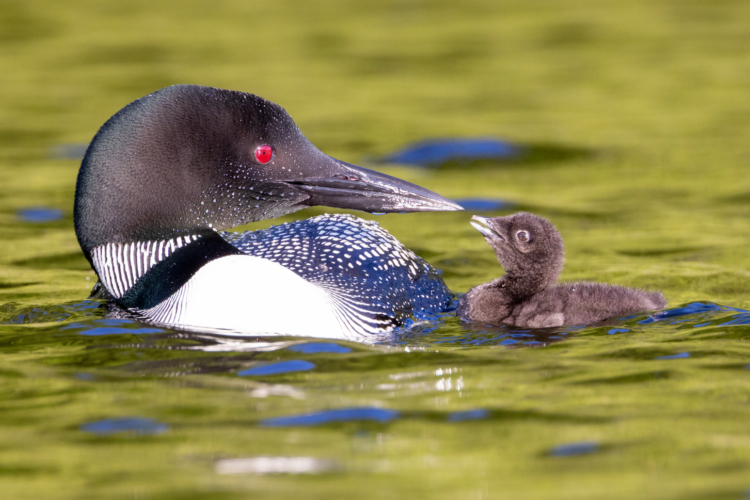
New Common Loon research uncovers a widespread decline and calls for action
The unprecedented international effort to understand and reverse declines in one of North America’s most iconic waterbirds.
The Prairies, with their rich biodiversity, make up one of the most important ecosystems for birds in North America. This article is the first installment in a three-part series exploring the connections between the Canadian Prairies, prairie producers, and birds.
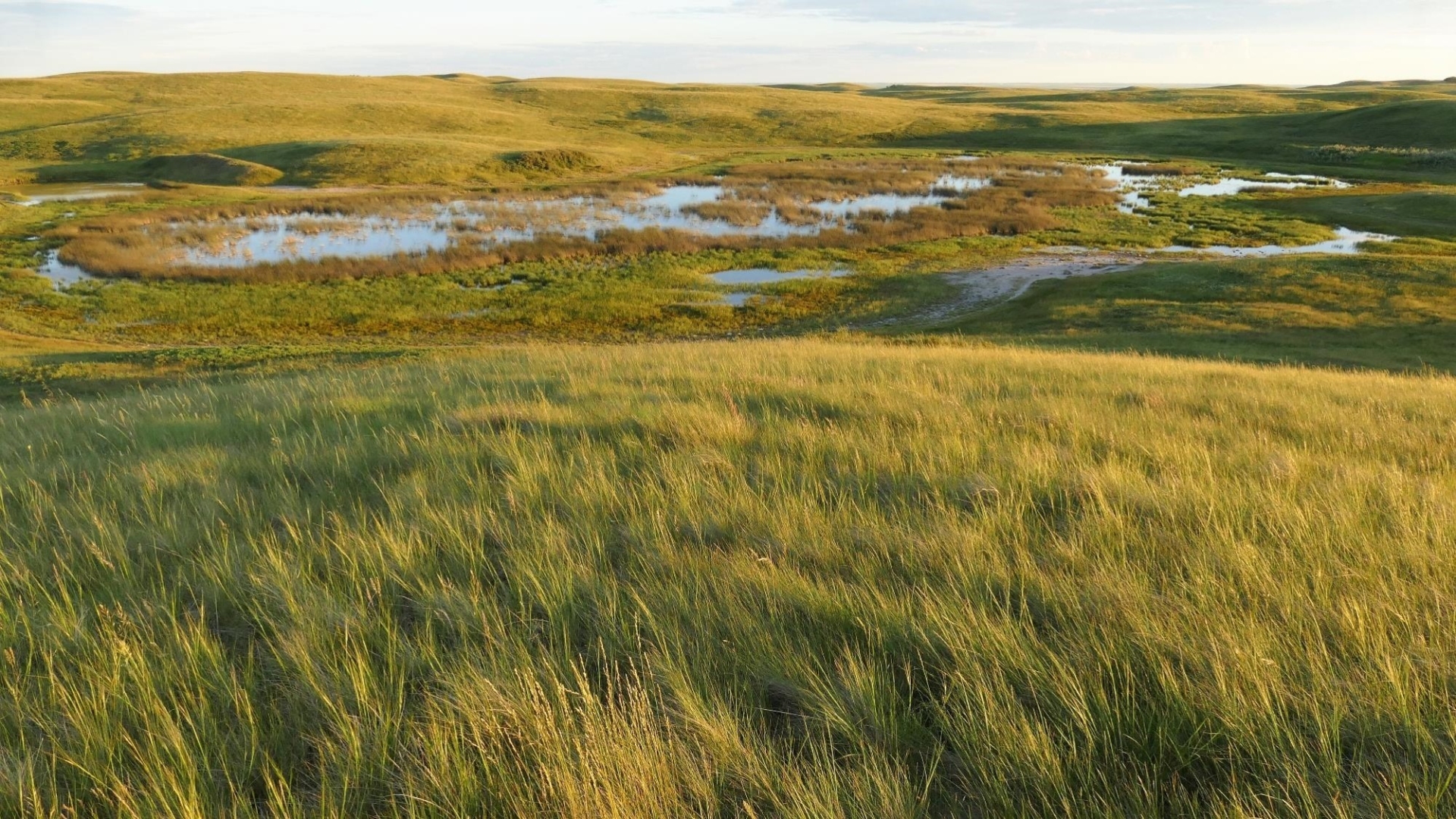
©Prairie Pothole RegionPhoto: Pete Davidson
©Prairie Pothole RegionPhoto: Pete Davidson
The Prairies, with their rich biodiversity, make up one of the most important ecosystems for birds in North America. This article is the first installment in a three-part series exploring the connections between the Canadian Prairies, prairie producers, and birds.
Grassland birds are icons of the Canadian West: The Chestnut-collared Longspurs and their incredible aerial display, which they use to stake their claim on their piece of the prairie; Horned Larks, with their black horns, that seem to be just trying to fit in with the cows; huge Ferruginous Hawks and their voracious appetite for ground squirrels – a pair will eat up to 500 in a season – ; and of course, the Western Meadowlark, singing its lungs out on a strand of wire. All of these birds are in decline, though, and some have lost over 90% of their Canadian populations.
On the whole, we have lost nearly 60% of our grassland birds in the last five decades. This is mostly due to the loss and degradation of the habitat. On the Northern Great Plains, we lose on average one acre of grasslands every minute. To put that into perspective, many grassland birds like the Chestnut-collared Longspur need around two acres within a large grassland to nest and raise their young. That means that every two minutes, a grassland bird loses a potential home.
Roads put in place to support resource development fragment large areas of grasslands. Invasive species, like leafy spurge, make habitats too uniform for birds to nest and forage in; most grassland birds prefer a mosaic of short, tall, and medium-length vegetation. The biggest driver of habitat loss, though, is the conversion of native prairie to annual cropping.
Because of their varied roles in the ecosystem, birds serve as indicators of ecosystem health – our present-day “canaries in the coal mine”. So when we see these declines in our grassland birds, it’s an indication that the health of this working landscape ecosystem is also declining.
Birds Canada is committed to the grasslands and the birds that call this landscape home. By continuing to expand our collaboration with prairie landowners and producers, we are driving positive change for grassland birds. We recently produced the Grasslands Conservation Incentives Guide, which compiles over 45 programs available across the Prairies to help landowners preserve, improve, or restore prairie habitats. Many producers and landowners want to participate in programs that help them provide habitat for wildlife, but find it difficult to determine what is available. By compiling the programs and incentives into one resource, we have made it easier for them to take conservation action on their land.
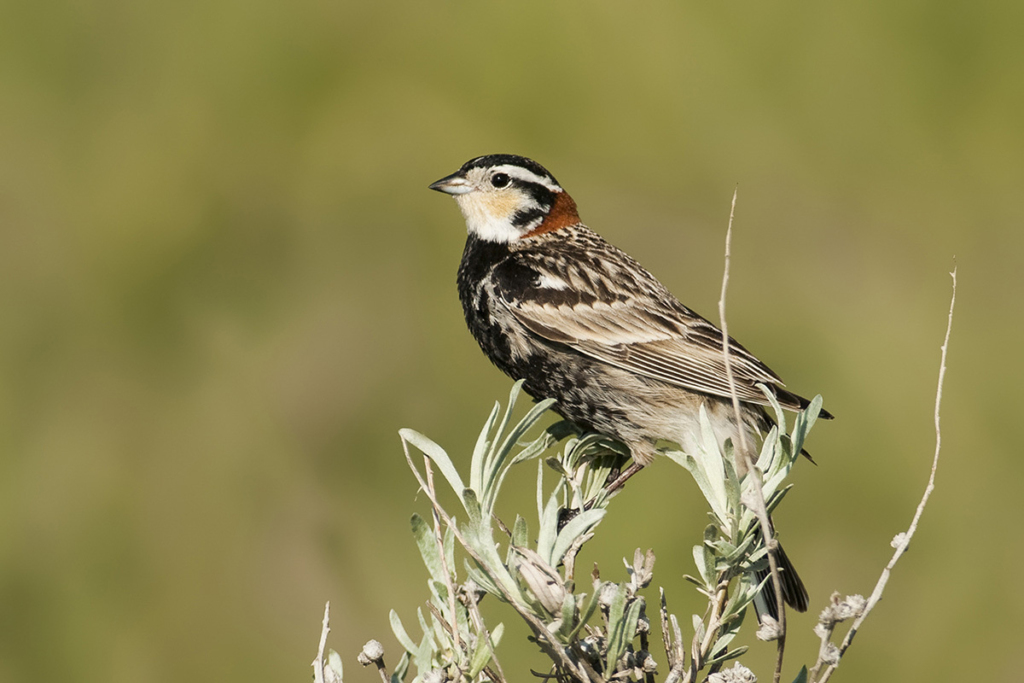
©Chestnut-collared LongspurPhoto: May Haga
The Grasslands Conservation Incentives Guide was made possible by funding from A&W and Environment and Climate Change Canada, and with support from Manitoba Agriculture and Resource Development.
Birds Canada is committed to keeping the Canadian Prairies alive with birdsong. Our efforts focus on working collaboratively with farmers, ranchers, Indigenous communities, other conservation partners, policymakers and agri-food stakeholders to address the systemic threats to grassland and parkland birds.
I grew up on a mixed farm in western Manitoba where I spent many hours in our pastures exploring nature and being captivated by the birds, bugs and mammals that we shared our land with. I’ve always been fascinated by the natural world and our place in it. That interest drove me to continue to learn about agriculture, obtaining my Bachelor’s of Science in Agriculture at the University of Manitoba. Agriculture has such an important role to play in the biodiversity and climate crises we find ourselves in and I am passionate about finding solutions that are mutually beneficial for wildlife, the environment, farmers and ranchers, and society at large. As the Grassland Conservation Manager for Birds Canada I get to work at the interface of agriculture and conservation to find solutions to conserve grassland ecosystems and the birds that make their home there.
Sign up for Birds Canada’s newsletter to receive the latest stories, science, conservation news, and opportunities to get involved.
The unprecedented international effort to understand and reverse declines in one of North America’s most iconic waterbirds.
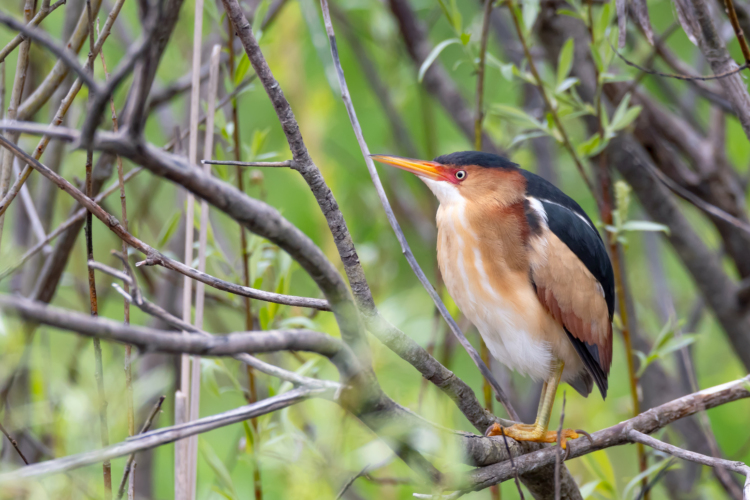
Birds Canada science has helped attract millions of dollars in recent funding to restore hundreds of hectares of threatened Great Lakes coastal wetlands for birds. Read on to see how data from our Great Lakes Marsh Monitoring Program and science-based recommendations from our Long Point Waterfowl and Wetlands Research Program have been critical for making this happen.
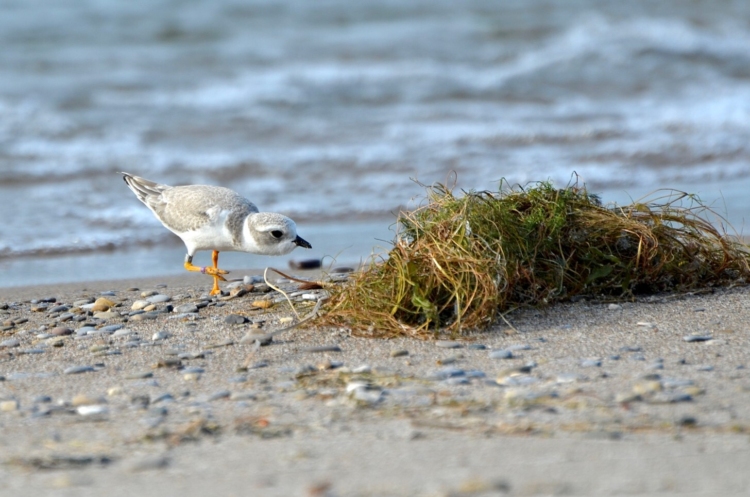
More than a century of conservation efforts paid off this spring, when a pair of Piping Plovers established a nest at Long Point for the first time since 1977. For nearly 50 years, birders, scientists, and nature lovers have eagerly awaited the return of nesting Piping Plovers to the Canadian shores of Lake Erie. Read on to learn just how significant this return is, and why it gives us hope for the future.