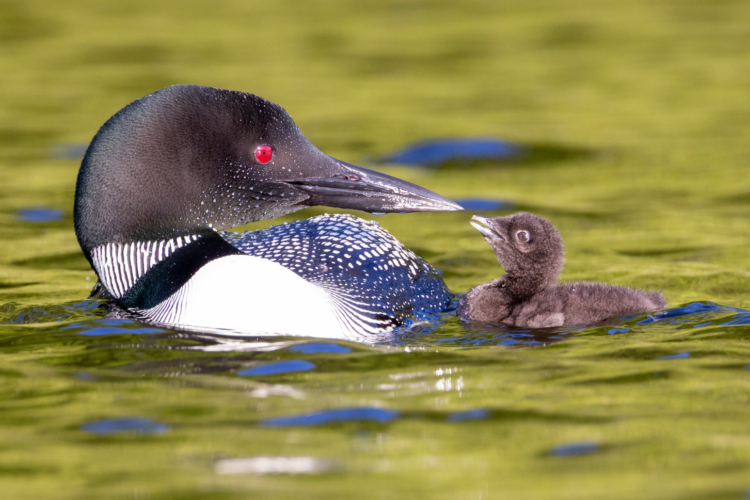
New Common Loon research uncovers a widespread decline and calls for action
The unprecedented international effort to understand and reverse declines in one of North America’s most iconic waterbirds.
Birds Canada warmly welcomes the announcement by the Fondo Mexicano para la Conservación de la Naturaleza (FMCN) of 12 new conservation projects in Mexico, which together will protect more than 75,000 hectares of critical habitat – an area almost 4 times the size of Fundy National Park.

Photo: Ulises Vera and Erica Garcia
Leaders from 12 projects converged in Mexico City for a two-day launch workshop hosted by FMCN.
“Birds like the Rufous Hummingbird don’t recognize borders, and neither should conservation”—now, with 12 community-led projects in Mexico protecting over 75,000 hectares, that powerful vision is taking flight.
Birds Canada warmly welcomes the announcement by the Fondo Mexicano para la Conservación de la Naturaleza (FMCN) of 12 new conservation projects in Mexico, which together will protect more than 75,000 hectares of critical habitat – an area almost 4 times the size of Fundy National Park.
The 12 projects were selected to receive funding as part of the Conserva Aves Initiative, which aims to protect and conserve over 2 million hectares of important bird habitat in Latin America and the Caribbean. Conserva Aves is led by the American Bird Conservancy, National Audubon Society, Birds Canada, BirdLife International, and the Latin American and Caribbean Network of Environmental Funds (RedLAC).
Chosen from a pool of 34 applicants in a national call for community-led proposals to create or expand protected areas for birds in Mexico, these 12 projects represent a strong commitment to conservation. One of the key selection criteria was overlap with existing Key Biodiversity Areas – ensuring that conservation actions are both strategic and impactful across the hemisphere. The implementation of these projects is being led by FMCN, in collaboration with Pronatura Sur A. C. and with the support of Comisión Nacional de Áreas Naturales Protegidas (Conanp).
Three of the selected projects will be supported through an Equity Fund which is dedicated to empowering Indigenous Peoples, Afro-descendant communities, and women-led organizations that face systemic barriers to participating in conservation. Among them is SOS Soluciones in Oaxaca, an organization that works with women and Indigenous leaders which will work to expand an existing protected area and establish four new ones, safeguarding 20,500 hectares of bird habitat.
This week, leaders from all 12 projects converged on Mexico City for a two-day launch workshop hosted by FMCN. Birds Canada’s President & CEO Patrick Nadeau attended and discussed conservation priorities and joint values with project leaders and partners.
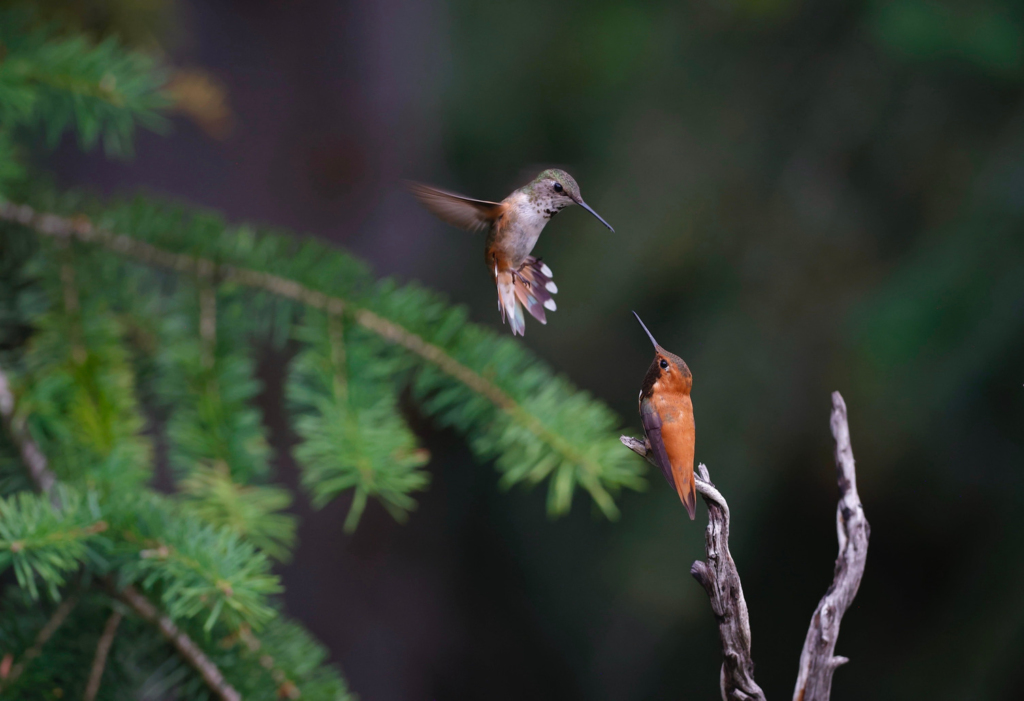
©Rufous HummingbirdsPhoto: Neal Hutchinson
Reflecting the Government of Canada’s significant support for the Conserva Aves initiative, through Global Affairs Canada, these projects will help protect migratory birds and their habitats. Representatives from the Canadian Embassy in Mexico were also on hand to celebrate the commitment and leadership of local communities.
“Today’s positive announcement in Mexico shows what’s possible when global collaboration uplifts local voices. Birds like the Rufous Hummingbird don’t recognize borders, and neither should conservation,“ said Patrick Nadeau. “I’m proud to see this collaboration taking shape and the role that Canada is playing to protect nature at home and abroad.”
And there was much to celebrate. These protected areas provide refuge both for at-risk birds endemic to Mexico, such as the Rose-bellied Bunting found only in the Isthmus region of southern Mexico, as well as for migratory species from Canada, including the Chestnut-collared Longspur that spend the non-breeding season in the desert grasslands of northern Mexico.
Sign up for Birds Canada’s newsletter to receive the latest stories, science, conservation news, and opportunities to get involved.
The unprecedented international effort to understand and reverse declines in one of North America’s most iconic waterbirds.
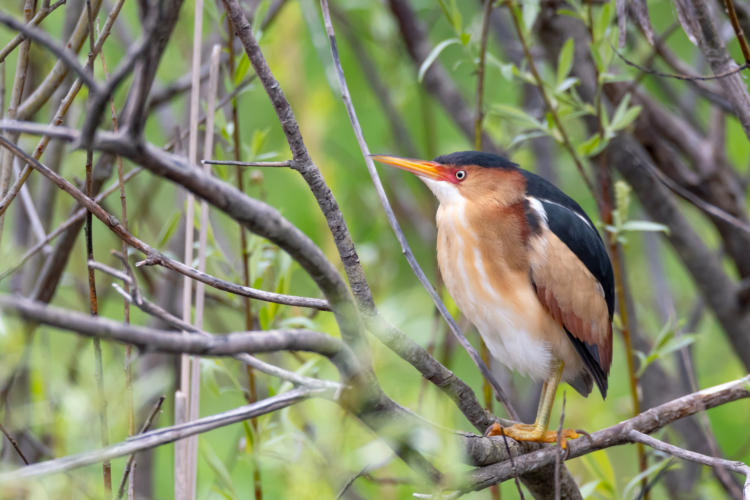
Birds Canada science has helped attract millions of dollars in recent funding to restore hundreds of hectares of threatened Great Lakes coastal wetlands for birds. Read on to see how data from our Great Lakes Marsh Monitoring Program and science-based recommendations from our Long Point Waterfowl and Wetlands Research Program have been critical for making this happen.
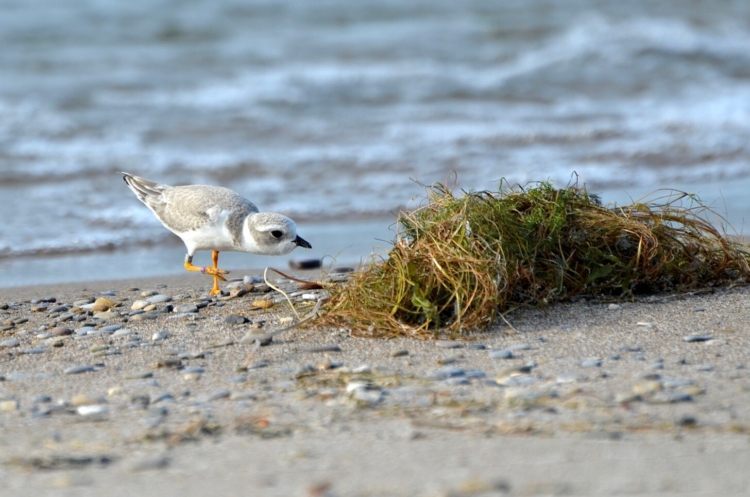
More than a century of conservation efforts paid off this spring, when a pair of Piping Plovers established a nest at Long Point for the first time since 1977. For nearly 50 years, birders, scientists, and nature lovers have eagerly awaited the return of nesting Piping Plovers to the Canadian shores of Lake Erie. Read on to learn just how significant this return is, and why it gives us hope for the future.