New Common Loon research uncovers a widespread decline and calls for action
The unprecedented international effort to understand and reverse declines in one of North America’s most iconic waterbirds.
Grab a cuppa and enjoy the science and stories behind 30 years of wetland conservation in the Great Lakes with this deep dive (wade) into the Marsh Monitoring Program’s evolution, achievements, and impact.
I was in my late teens when I did my first survey for the Great Lakes Marsh Monitoring Program (GLMMP) during the program’s first year of operation. At 22, I did my MSc researching the program’s field survey protocols, and at 34, I was lucky to become the program’s science lead, a position I hold to this day (we need not mention how old I am now). Since that first survey many years ago, I’ve done at least 1200 GLMMP surveys. To put that in context, it’s equivalent to standing quietly, round-the-clock, for nearly 10 days straight patiently counting marsh birds and frogs. Of course, these statistics aren’t unique to me: there’s others who have completed just as many, or more, GLMMP hours in the field.
Similarly, it hasn’t been just me behind the scenes making the program happen. It’s taken an entire team to grow the program to where it is today—Kathy Jones (Volunteer Manager and Biologist since 1995) and Tracy Barber (Data Technician since 2011), in particular, come to mind, but there have been many others, including other Birds Canada staff and a wonderful network of dozens of volunteer regional coordinators throughout the Great Lakes. With over 30 years under the program’s belt (it started in 1995), and because the GLMMP has been such a big part of my life, I recently found myself looking back to reflect on what staff and volunteers have collectively accomplished through the program over the decades. It’s impressive, but I’ll warn you: even though I’ve tried to be brief (honest!), it’s still kind of “long.”
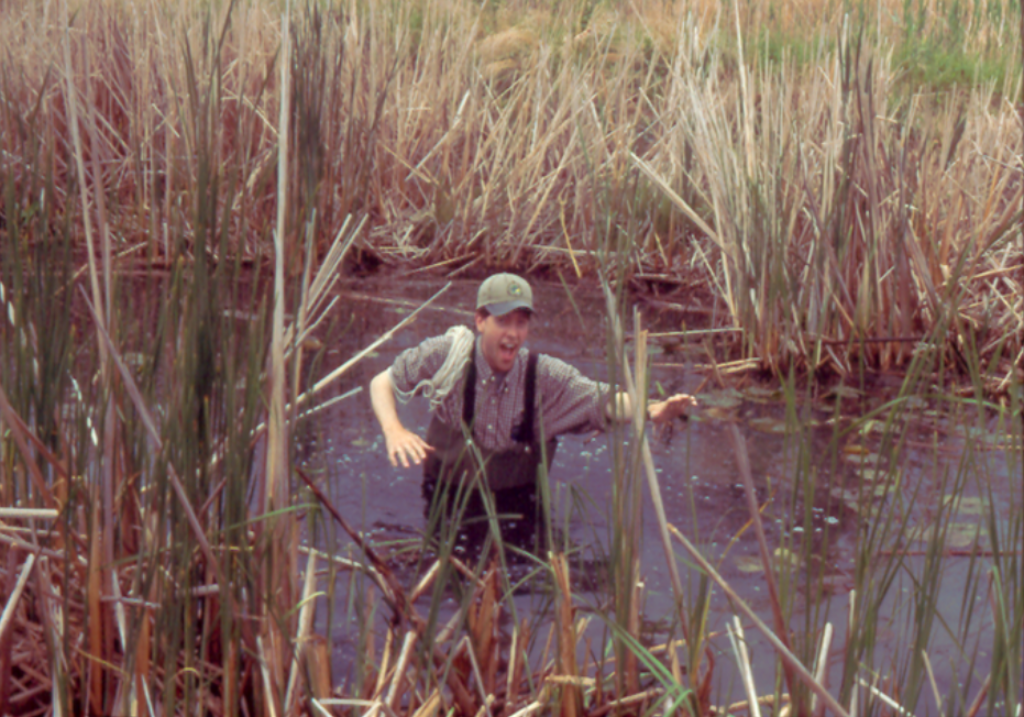
Between 1995 and 2024, 2000 observers logged 92,000 bird and frog point counts (surveys). They detected over 248,000 individual frogs of 11 species, and 874,000 individual birds of over 300 species. As if that wasn’t impressive enough, the program’s participants have logged 180,000 hours to date worth $3.6 million! Obviously a huge thank you is in order to the many dedicated volunteers and others involved: we simply could not have accomplished all of this without your valued support, so thank you very much.
What’s more impressive, however, is what staff and volunteers have collectively accomplished with the GLMMP and other related datasets for marsh bird and frog conservation. As with all of our citizen science monitoring programs at Birds Canada, science drives our conservation efforts to protect birds and wildlife. So then, what science has come out of the GLMMP over the years, and how has it protected or conserved marsh birds and frogs, you might ask?
The program has produced a large suite of diverse data and science products that have set the stage for many different wetland conservation actions. What follows is an overview of these various products, and because we publish most of our science in scholarly peer-reviewed journal articles, there are lots of links to primary sources throughout, and there’s an accompanying reference list at the end, so you can find more details, if desired.
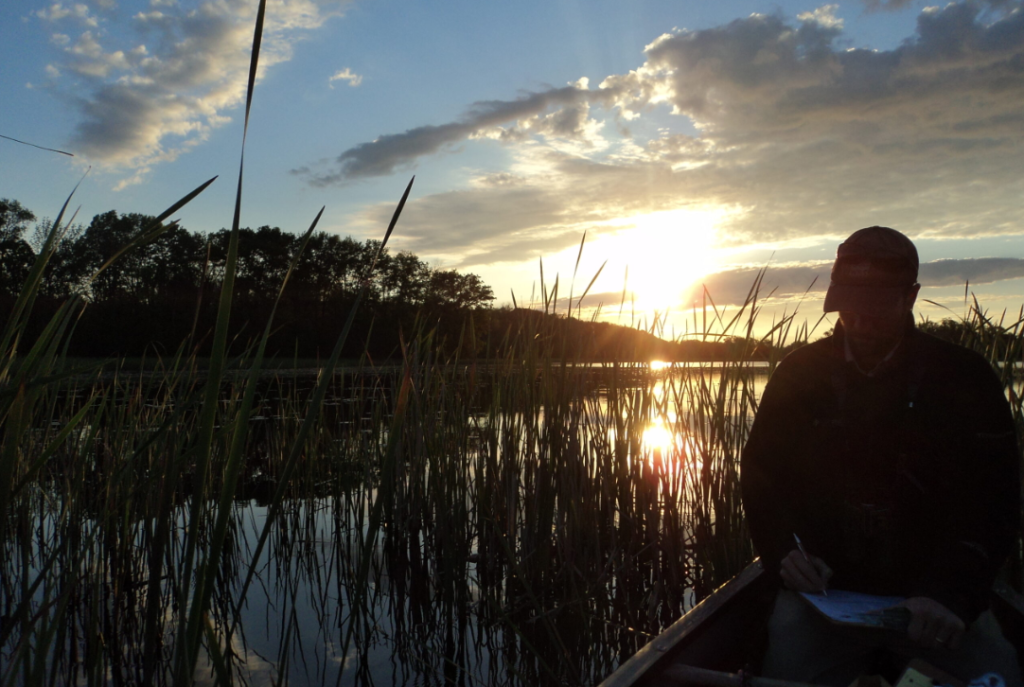
Photo: Karla Falk
Doug Tozer conducting early morning GLMMP surveys at the Royal Botanical Gardens.
We report annual population indices and trends for dozens of marsh bird and frog species across the Great Lakes in: a) the GLMMP annual newsletter, The Marsh Monitor (latest issue here: 1); b) GLMMP program reports (latest was at the program’s 25-year mark: 2); and c) robust, detailed analyses (e.g., 3, 4, 5, 6). These works provide an authoritative voice that raises awareness of declining marsh bird and frog populations and associated conservation issues, which in turn spark wetland restoration and protection projects throughout the Great Lakes. Now, stop and think about this for a moment: it means that just about every funding proposal for any wetland restoration project that aims to benefit wetland wildlife in the Great Lakes points to the GLMMP and these science products to justify the need for the work! Now that’s paving the way for a LOT of wetlands to be restored and conserved for marsh birds and frogs!!
Every 3 years, we publish “indices of biotic condition” for marsh birds and frogs throughout the Great Lakes in Canada and the U.S. (latest methods: 7; previous exploratory work: 8, 9). You can think of these indices as a score of how well the populations are doing, out of 10. They’re published in the State of the Great Lakes Report (we’ve done this 5 times now; the latest was in 2022: 10), which is required by the governments of Canada and the U.S. under the Great Lakes Water Quality Agreement. These reports are critical for attracting the investment of hundreds of millions of dollars annually (!) for wetland restoration through the Great Lakes Freshwater Ecosystem Initiative in Canada and the Great Lakes Restoration Initiative in the U.S.
Birds Canada staff use GLMMP data and other datasets to test the effectiveness of conservation actions for marsh birds and frogs, such as control of invasive Common Reed (spoiler: it works really well for birds; 11), and wetland restoration techniques used by Migratory Bird Joint Ventures (spoiler: this also works really well; 12). We also measure the effectiveness of remedial actions for restoring wetland wildlife in Great Lakes Areas of Concern (e.g., 13, 14), and we assist decision-makers by identifying the best wetlands for protection, and the worst wetlands for restoration (e.g., 15, 16). These products ensure that the most effective conservation actions are done in the best places, so that marsh birds and frogs thrive in the Great Lakes.
Using GLMMP data and other datasets, we’ve investigated how various factors, such as wind and time of day, influence the detection of elusive marsh birds during surveys (17, 18, 19), and we’ve used this information to improve the effectiveness of marsh bird monitoring in the field (20). We’ve explored ways to obtain more precise population information for marsh birds (21). We’ve researched the influence of fluctuating water levels on marsh birds (22, 23, 24), and we’ve helped design GLMMP-based indicators to better evaluate how water level regulation in Lake Ontario influences marsh birds (25). We’ve demonstrated the importance of vegetation grazing by foraging muskrats, and other wetland disturbances, for maintaining important marsh bird and frog habitat features (26, 27). We’ve described in detail the best habitats for marsh birds and frogs (28, 29, 30), and we’ve completed some of the most robust analyses to date showing the negative effect of urban sprawl and other types of habitat loss on these animals (e.g., 31, 32). And we’ve examined the influence of climate warming on marsh-breeding frogs (33). These various different studies ensure that we’re surveying marsh birds and frogs efficiently and effectively, and that we have a thorough understanding of the habitat features that marsh birds and frogs need to thrive. As a result, wetland managers and other decision-makers have robust, reliable information with which to conserve and protect habitat for these important animals.
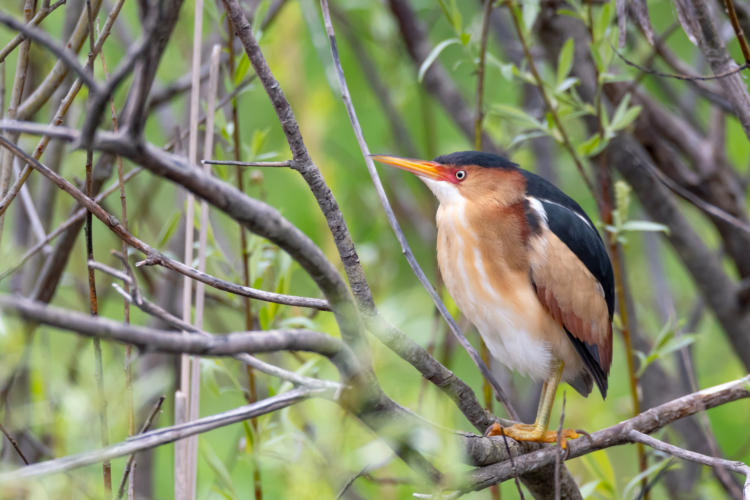
The GLMMP is used to assess whether marsh birds and frogs are at risk of extinction (e.g., 34, 35), which has led to the protection of critical habitat under the Species at Risk Act in Canada for Western Chorus Frog and Least Bittern. The program’s science products are thoroughly integrated into The State of Canada’s Birds report, which is a partnership project between Birds Canada and Environment and Climate Change Canada that guides efforts to maintain and restore healthy populations of birds in Canada. All of the program’s data are permanently archived and freely available on Birds Canada’s open data platform NatureCounts.
Since the program began, GLMMP data have been downloaded 7,445 times (!) for biodiversity assessment, wetland restoration and protection, climate change research, environmental assessment prior to development, educational and experiential learning, species at risk planning and mapping, and many other applications. The large number and diversity of these data requests shows the importance and usefulness of the GLMMP for consultants, government agencies, conservation authorities, academics, land trusts, concerned citizens, and others. The program’s data, therefore, serve as a foundation for sound conservation action to ensure a bright future for marsh birds and frogs.
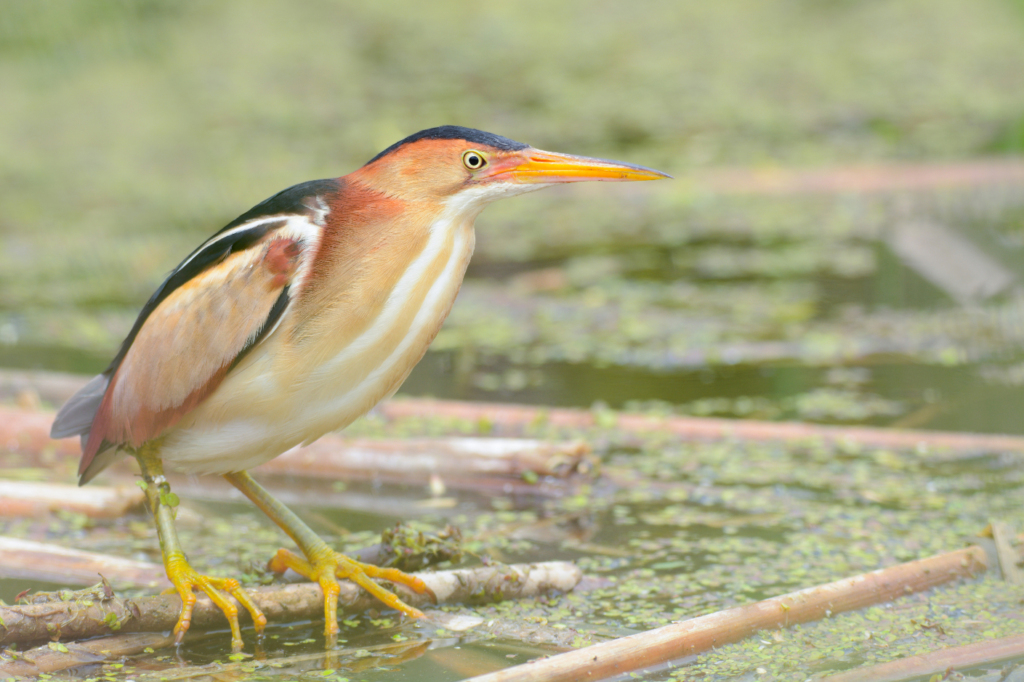
©Least BitternPhoto: Jax Nasimok
The following quotes from GLMMP volunteer scientists are a fitting “final word,” which demonstrate how the program leads to conservation action:
So there you have it: the conservation actions brought about by 30 years of GLMMP science is impressive indeed! As we’ve seen, the data and science products produced by the program’s staff and volunteers provide an authoritative voice, critical funding, sound guidance, and robust, reliable information for conservation and protection of Great Lakes marsh birds and frogs that would otherwise not exist. This really speaks to the power of Birds Canada’s approach of engaging volunteers so together we can drive conservation efforts to protect birds and other wildlife.
A final thought: as I noted above, we simply could not have accomplished all of this without the valued effort of volunteer scientists, so thank you very much again for your dedicated support. The program would also not be where it is today without ongoing financial support, for which the following have been essential: Environment and Climate Change Canada, Ducks Unlimited Canada, Eastern Habitat Joint Venture, Wildlife Habitat Canada (primarily from funds generated by the purchase of Canadian Wildlife Habitat Conservation Stamps by waterfowl hunters), and private donors. There have also been dozens and dozens of other supporters of the program over the years for which we are truly grateful. Many thanks, again, to all of you: it’s been a very rewarding “30-year-science-and-conservation-ride.” The birds and frogs are especially thankful too, so I hear, for what we’ve collectively accomplished on their behalf over the years.
I’ve been hooked on birds ever since I can remember. For example, as a kid I got (a bit) annoyed when my family went on holidays to Disney World, because it meant I missed Canada Jay nest-finding with my Dad for a research project in Algonquin Park. Naturally, my academic and professional career has focused on developing workable conservation solutions for birds, and raising awareness of the importance of these animals. Currently, I work on waterbirds and wetlands by directing the Great Lakes Marsh Monitoring Program, Canadian Lakes Loon Survey, and Long Point Waterfowl and Wetlands Research Program.
Sign up for Birds Canada’s newsletter to receive the latest stories, science, conservation news, and opportunities to get involved.
The unprecedented international effort to understand and reverse declines in one of North America’s most iconic waterbirds.
Birds Canada science has helped attract millions of dollars in recent funding to restore hundreds of hectares of threatened Great Lakes coastal wetlands for birds. Read on to see how data from our Great Lakes Marsh Monitoring Program and science-based recommendations from our Long Point Waterfowl and Wetlands Research Program have been critical for making this happen.
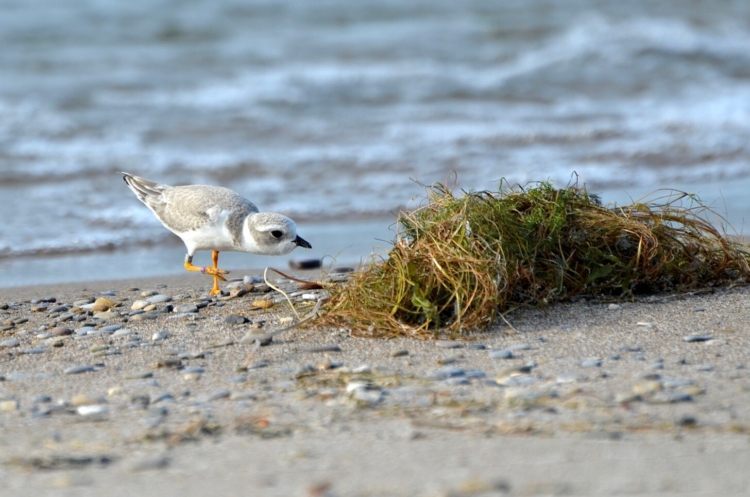
More than a century of conservation efforts paid off this spring, when a pair of Piping Plovers established a nest at Long Point for the first time since 1977. For nearly 50 years, birders, scientists, and nature lovers have eagerly awaited the return of nesting Piping Plovers to the Canadian shores of Lake Erie. Read on to learn just how significant this return is, and why it gives us hope for the future.