New Common Loon research uncovers a widespread decline and calls for action
The unprecedented international effort to understand and reverse declines in one of North America’s most iconic waterbirds.
This spring, Birds Canada was proud to not only be invited back to both Cree territory along the shores of Wiiniibek (James Bay) and Nunatsiavut in northern Labrador, but also for the first time to NunatuKavut in southern Labrador, to install new Motus Wildlife Tracking System stations. This work integrates two major five-year initiatives that Birds Canada is embarking on: Science in the North and Motus on the Move.
This spring, Birds Canada was proud to not only be invited back to both Cree territory along the shores of Wiiniibek (James Bay) and Nunatsiavut in northern Labrador, but also for the first time to NunatuKavut in southern Labrador, to install new Motus Wildlife Tracking System stations. This work integrates two major five-year initiatives that Birds Canada is embarking on: Science in the North and Motus on the Move.
By expanding the Motus network in collaboration with Indigenous communities in northern Canada, we are co-creating new opportunities to study animals on the move through, and within their territories. Motus can help show where important harvested species, like geese, are coming from and going to, as well as clues to the movements of other species of cultural or community interest. Motus and other tracking technologies also provide useful indicators of where and how northern ecosystems are changing with climatic shifts and create novel learning opportunities in schools that can connect them with communities elsewhere. Read this article by the CBC to learn more.
We teamed up with Felix Boulanger from the Eeyou Marine Region Wildlife Board, Sandford Diamond from the Cree Trappers Association, Michelle Saunders from the Nunatsiavut Government, Sara Pearce-Meijerink from the NunatuKavut Community Council, and other local experts in some stunning landscapes and logistically challenging scenarios.
©Consolation Point, QC
©English Point, NL
©Consolation Point, QC
©English Point, NL
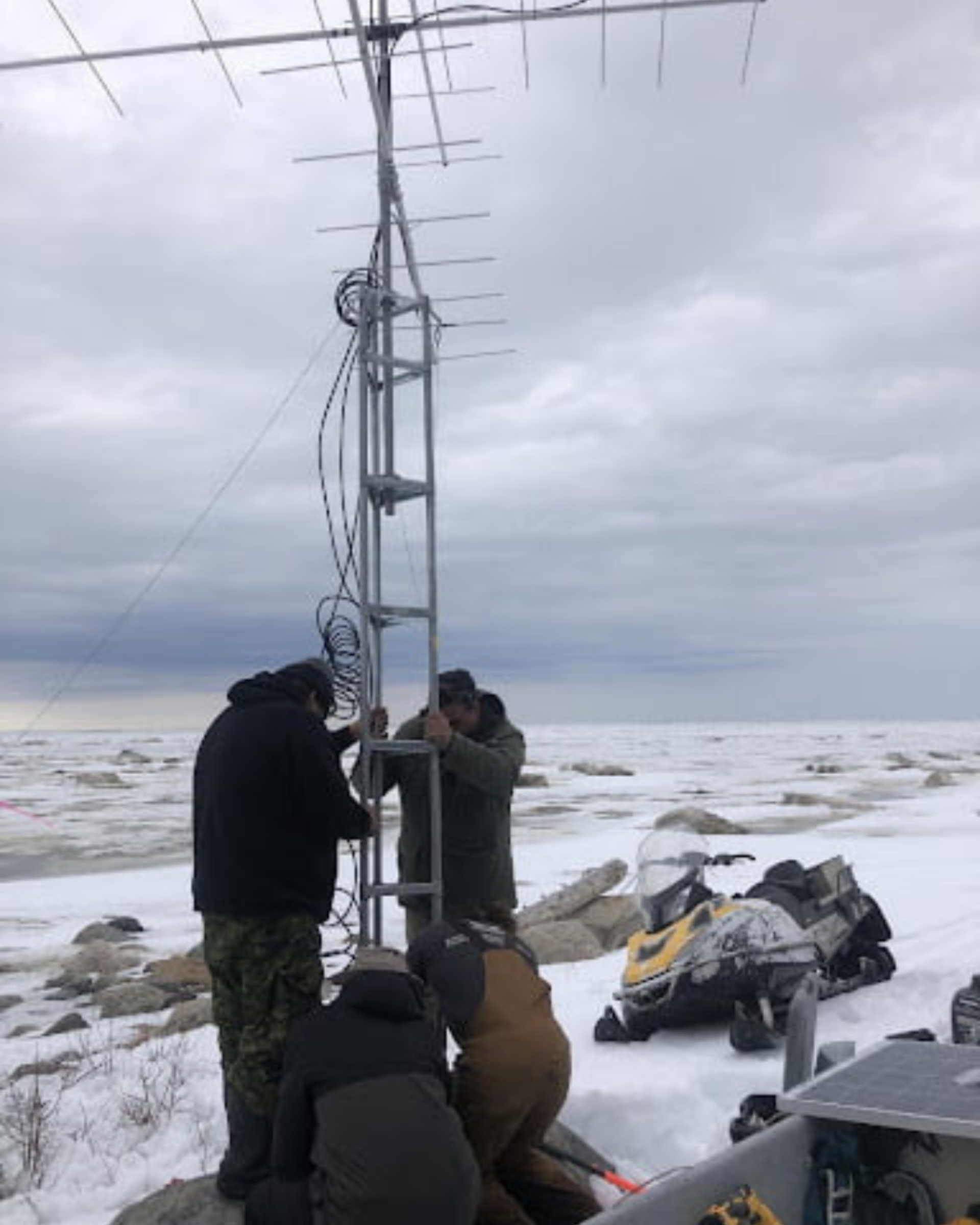
Left: Birds Canada’s Lucas Berrigan and Eeyou Marine Region Wildlife Board’s Felix Boulanger, Bernard Diamond, and Joel Stephen set up a Motus station at Consolation Point, QC.
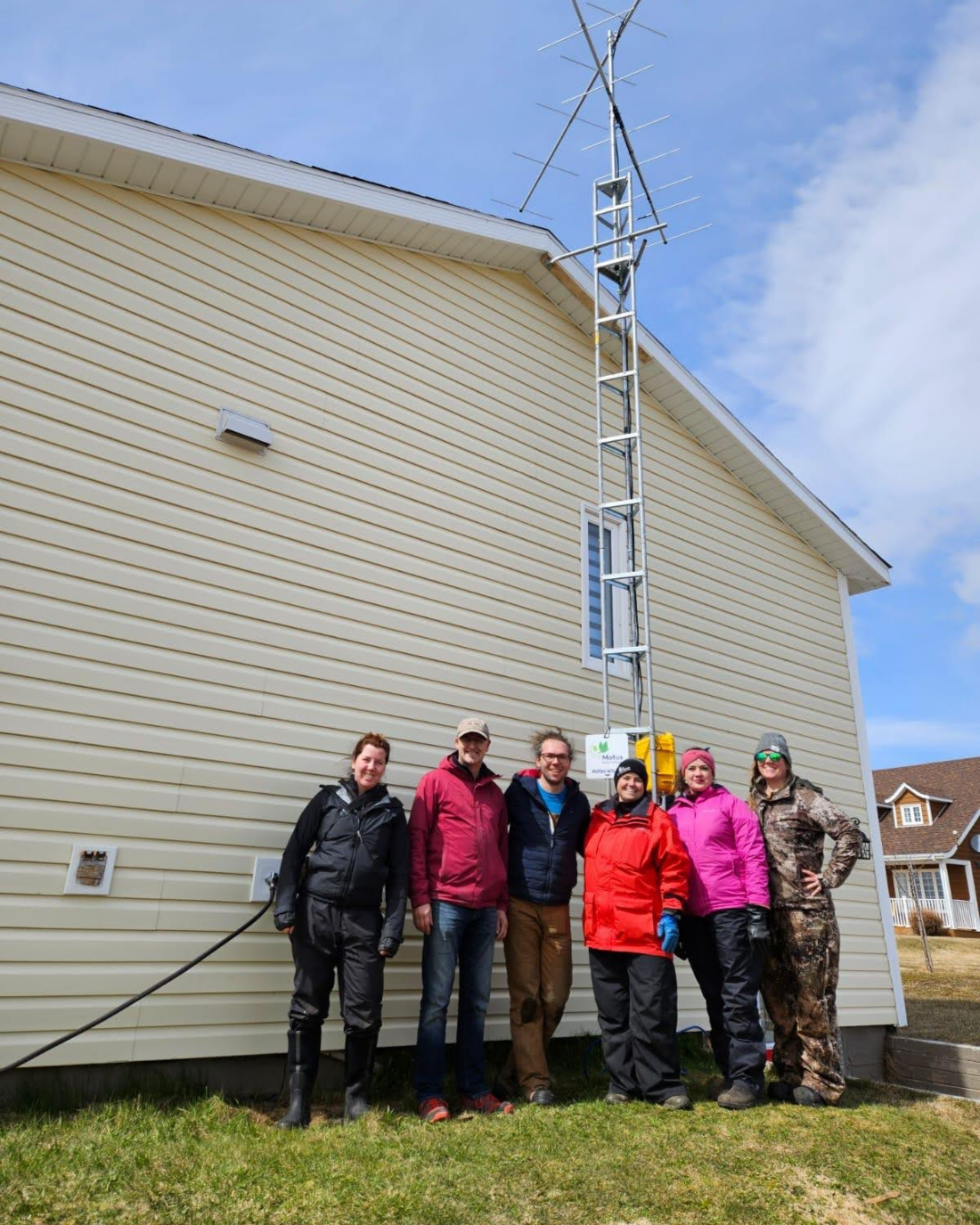
Right: Birds Canada Motus Coordinator Erica Geldart, wildlife photographer and Citizen Scientist Vernon Buckle, Birds Canada Motus Program Coordinator Lucas Berrigan, NunatuKavut Community Council Wildlife Biologist Sara Pearce-Meijerink, NunatuKavut Community Council Wildlife Stewardship Technician Kayla Brown, and Environment and Climate Change Canada Wildlife Biologist Regina Wells next to the Motus station at English Point, NL.
In addition to setting up new Motus stations, we met with local community members to discuss which animals are of most interest to them to monitor, the knowledge gaps they would like to address, and to identify where Birds Canada may be able to provide additional support. While we were in Labrador, we even got the chance to engage with community members across the province over the CBC radio– have a listen here!
Our new five-year Science in the North program is all about listening to Northern community conservation and monitoring interests, and supporting this with our existing technology, monitoring experience, and working together towards conservation outcomes. With a geographic focus on the Labrador and James Bay regions, Motus has been a great conservation tool to help advance these conversations.
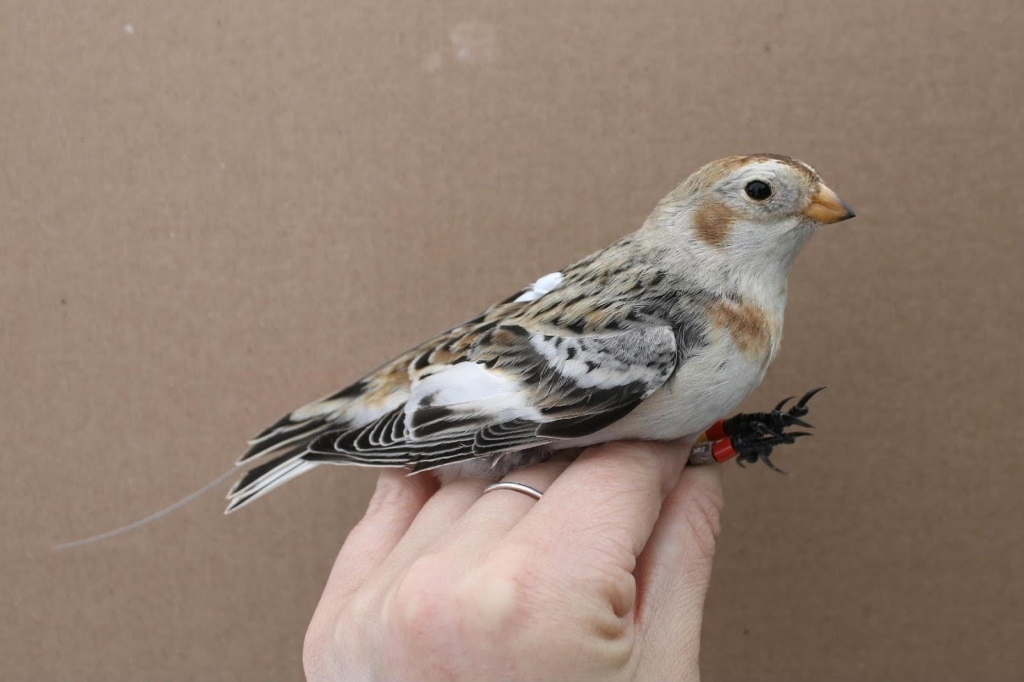
Already, a Snow Bunting (also referred to as Snow Birds), tagged by the University of Windsor in southern Ontario this past winter, was detected at Consolation Point QC in May. This makes us optimistic that these new Motus stations will increase our possibilities of tracking culturally important, nomadic species like Snow Buntings to or from their breeding grounds – and be helpful in conserving other bird species across the North.
©Snow BuntingPhoto: Samuelle Simard-Provençal
A Snow Bunting that was Motus-tagged in Southern Ontario in winter 2024. Photo: Samuelle Simard-Provençal
I have been fascinated by birds since a young age. I joined Birds Canada’s team in the Atlantic Region in 2018 to run the Maritimes Marsh Monitoring Program. Since then, I have taken on more responsibilities related to the Motus Wildlife Tracking System – namely, managing the Atlantic array of Motus receiver stations and supporting Motus users worldwide.
Prior to joining Birds Canada, I studied Common Eiders in the Canadian low Arctic for my Master’s degree and I studied the stopover movement ecology of Semipalmated Sandpipers and Semipalmated Plover in Atlantic Canada for my undergraduate research. During my undergraduate work, I realized the value of the Motus Wildlife Tracking System as a research tool, and I am proud to now be able to do my part to help the network run smoothly for other research initiatives in my work with Birds Canada. Specifically, I assist with the deployment and maintenance of Motus equipment in the Atlantic Canada Region, and the management, analysis and communication of data.
Sign up for Birds Canada’s newsletter to receive the latest stories, science, conservation news, and opportunities to get involved.
The unprecedented international effort to understand and reverse declines in one of North America’s most iconic waterbirds.
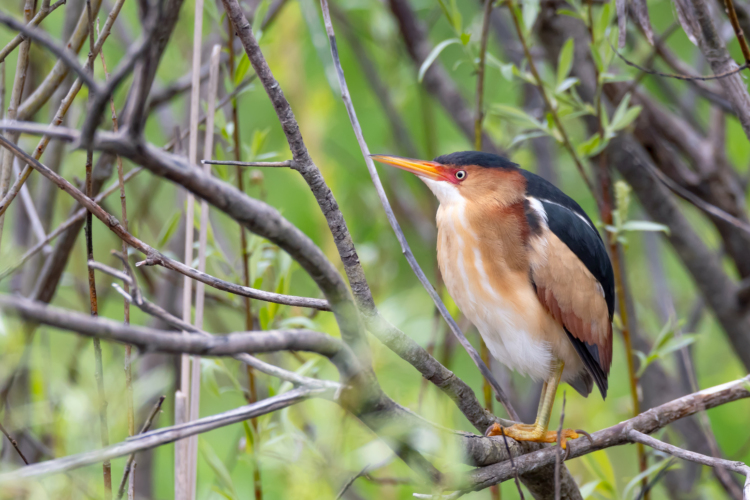
Birds Canada science has helped attract millions of dollars in recent funding to restore hundreds of hectares of threatened Great Lakes coastal wetlands for birds. Read on to see how data from our Great Lakes Marsh Monitoring Program and science-based recommendations from our Long Point Waterfowl and Wetlands Research Program have been critical for making this happen.
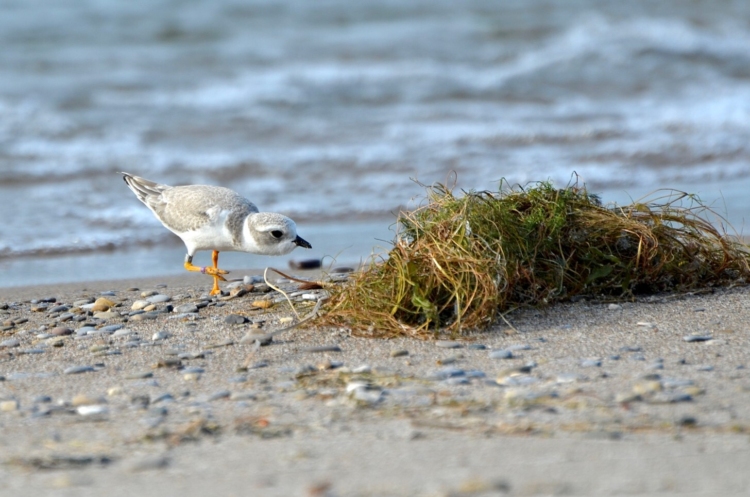
More than a century of conservation efforts paid off this spring, when a pair of Piping Plovers established a nest at Long Point for the first time since 1977. For nearly 50 years, birders, scientists, and nature lovers have eagerly awaited the return of nesting Piping Plovers to the Canadian shores of Lake Erie. Read on to learn just how significant this return is, and why it gives us hope for the future.