Bear with us, this is also pretty technical, but it’s an important development.
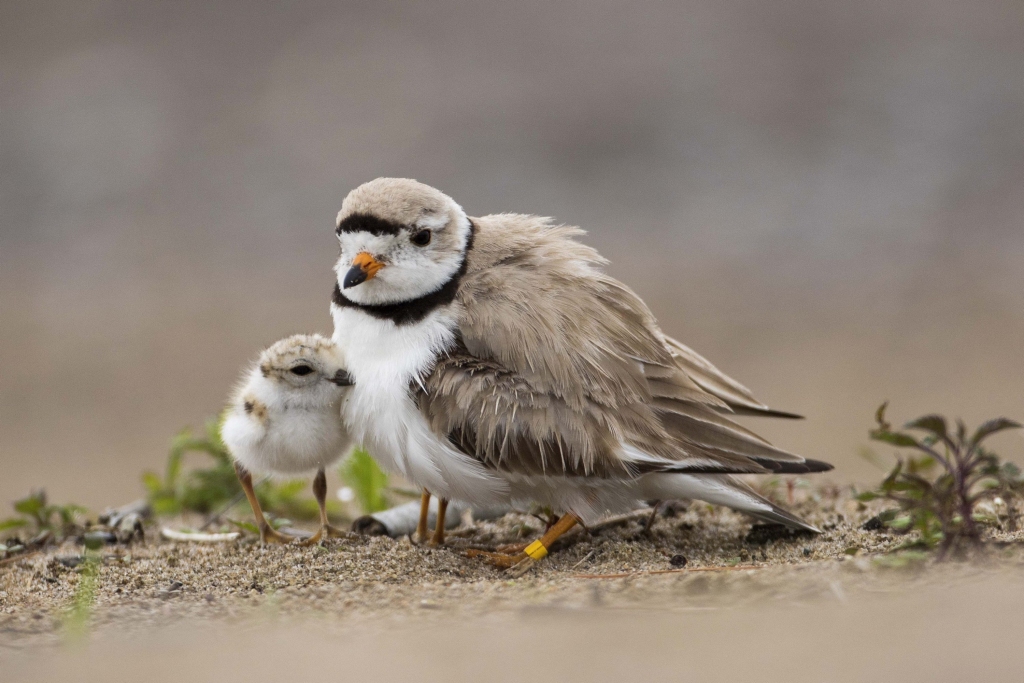
Ontario Nature, Environmental Defense, and Ecojustice have filed a petition for an Emergency Order under Section 80 of the Species at Risk Act. This is a rare step that can be taken when a species faces an imminent threat to its survival and recovery. It’s essentially a formal request, backed by evidence, for the federal government to step in to protect Piping Plovers and their habitat at Wasaga Beach.
To support the request, Birds Canada provided a detailed scientific report on the status of Piping Plovers in Wasaga Beach and Ontario. This included a risk assessment of management activities like mechanical beach raking, which both removes natural debris and vegetation that provide food and shelter for Piping Plover, and flattens and compacts sand so it becomes unsuitable for nesting. Birds Canada coordinates the Piping Plover conservation effort across Ontario. In this role, we have the unique ability to pull together long-term scientific data from Wasaga Beach and all other nesting beaches in Ontario, plus we access knowledge from partner groups in the United States. This long-term scientific data, collected by staff, partners, and dedicated volunteers over the past 19 years, clearly shows that Wasaga Beach is essential to the continued survival and recovery of Piping Plover in Ontario.
In addition to providing important data and expert advice for this petition, Birds Canada has repeatedly offered to provide the same support and science-based recommendations to the municipality, consultants, community members, or any others involved in future plans for plover habitat in Wasaga Beach. We see this as a critical responsibility in our role as we continue to lead the Ontario Piping Plover Conservation Program.