New Common Loon research uncovers a widespread decline and calls for action
The unprecedented international effort to understand and reverse declines in one of North America’s most iconic waterbirds.
Strong partnerships are at the heart of effective bird conservation, and the growing relationship between Timiskaming First Nation (TFN) and Birds Canada embodies that spirit.
It all began when TFN reached out to our Motus Wildlife Tracking System team with an interest in monitoring Species at Risk in their region. Motus is a collaborative research network that uses tiny transmitters and a global network of receiving stations to track the movements of birds and other wildlife such as bats and butterflies. Timiskaming was eager to explore how this technology could support their community’s stewardship goals and help protect vulnerable species in their territory.
That initial connection quickly took flight. After several productive meetings with staff from Birds Canada’s Motus program and Science in the North team – Josh Sayers, Erica Geldart, Graham Sorenson – and two community visits from Lucas Beaver to explore ideas and opportunities, Mike Laderoute and Lindsay McLaren of Timiskaming First Nation led the successful installation of their own Motus station. With this installation, they joined a global network of more than 2,100 stations, contributing vital data to help track bird movements across the continent.
The collaboration reached another exciting milestone this spring when members of Timiskaming First Nation travelled to southern Ontario to visit the Long Point Bird Observatory (LPBO) and Birds Canada headquarters. There they met with biologists and Motus experts from the Science in the North and LPBO teams to discuss successful tracking projects, and which species are priorities to their community and might yield the most meaningful results back home.
They also rolled up their sleeves and got hands-on, participating in an ongoing Motus project focused on Wood Thrush, a threatened songbird that breeds in southern Ontario forests.
While the Timiskaming team gained valuable field experience handling and banding birds, connecting directly with the science in a tangible and memorable way, Birds Canada staff learned about their community’s priorities, species that they encounter regularly, and the many ongoing environmental stewardship projects they are currently leading. This in-person time provided not just training opportunities, but a chance to discuss future projects and Timiskaming First Nation’s bird monitoring and community-based conservation priorities.
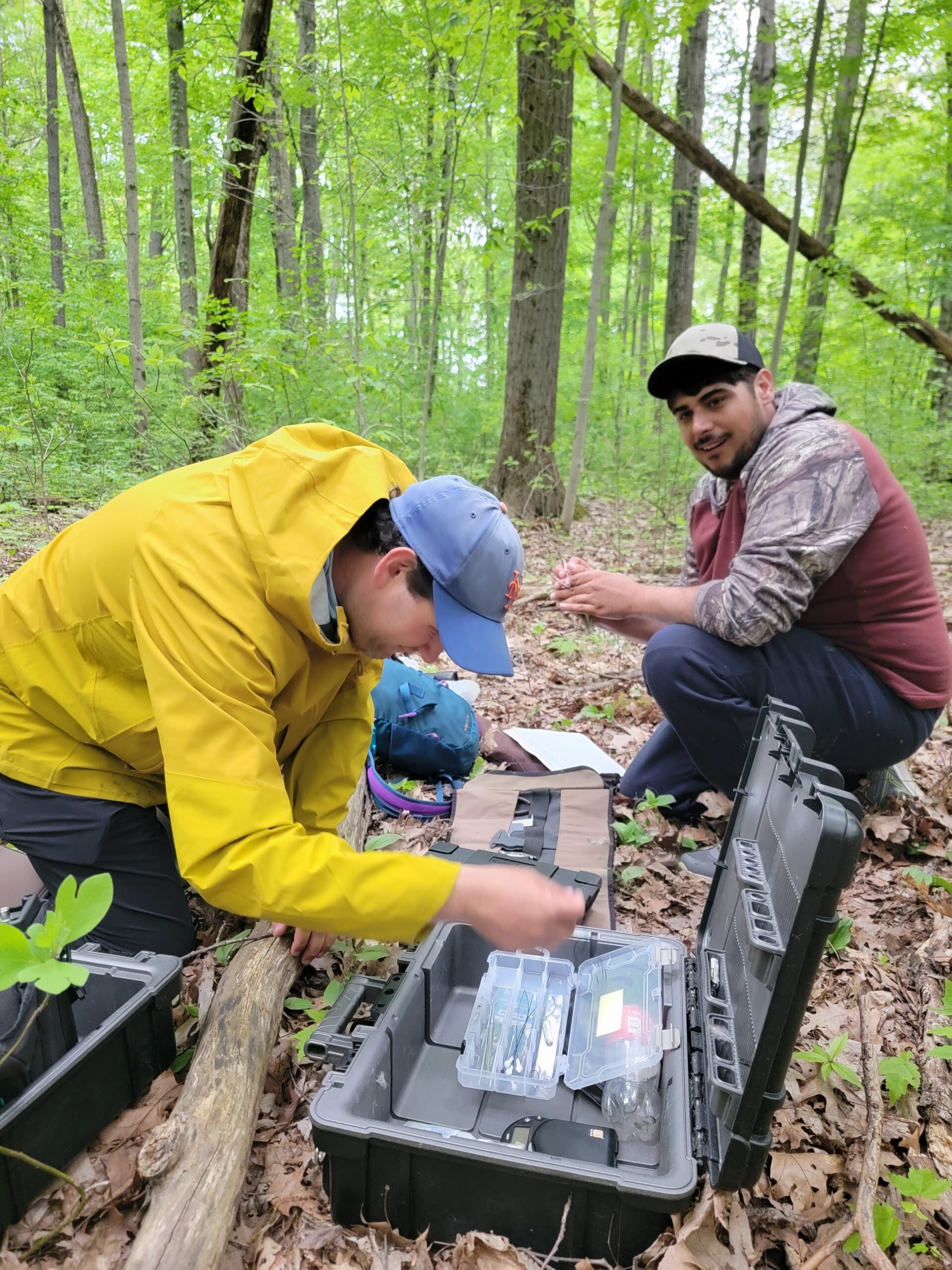
©Motus Workshop at LPBOPhoto: Lucas Beaver
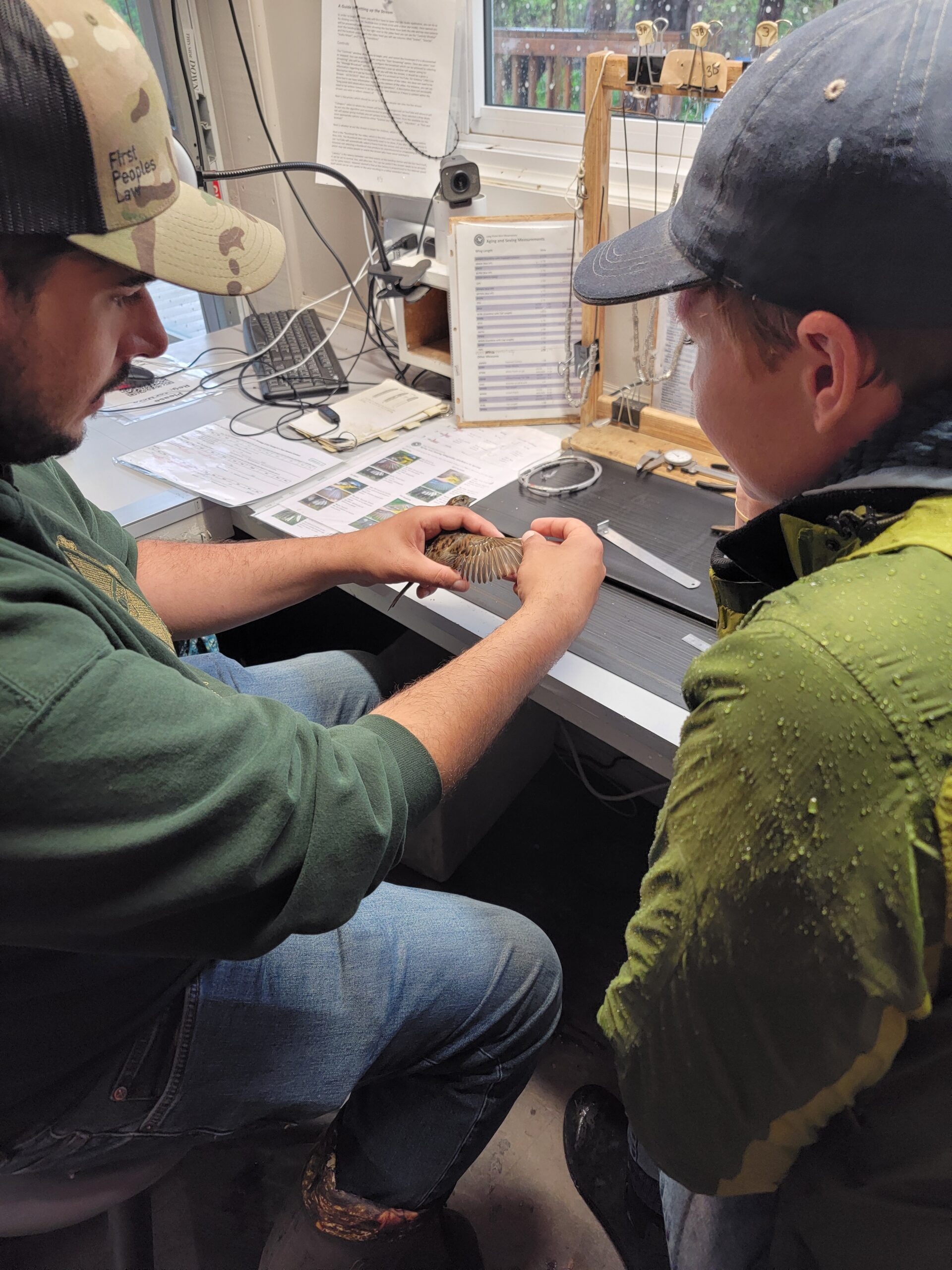
Photo: Lucas Beaver
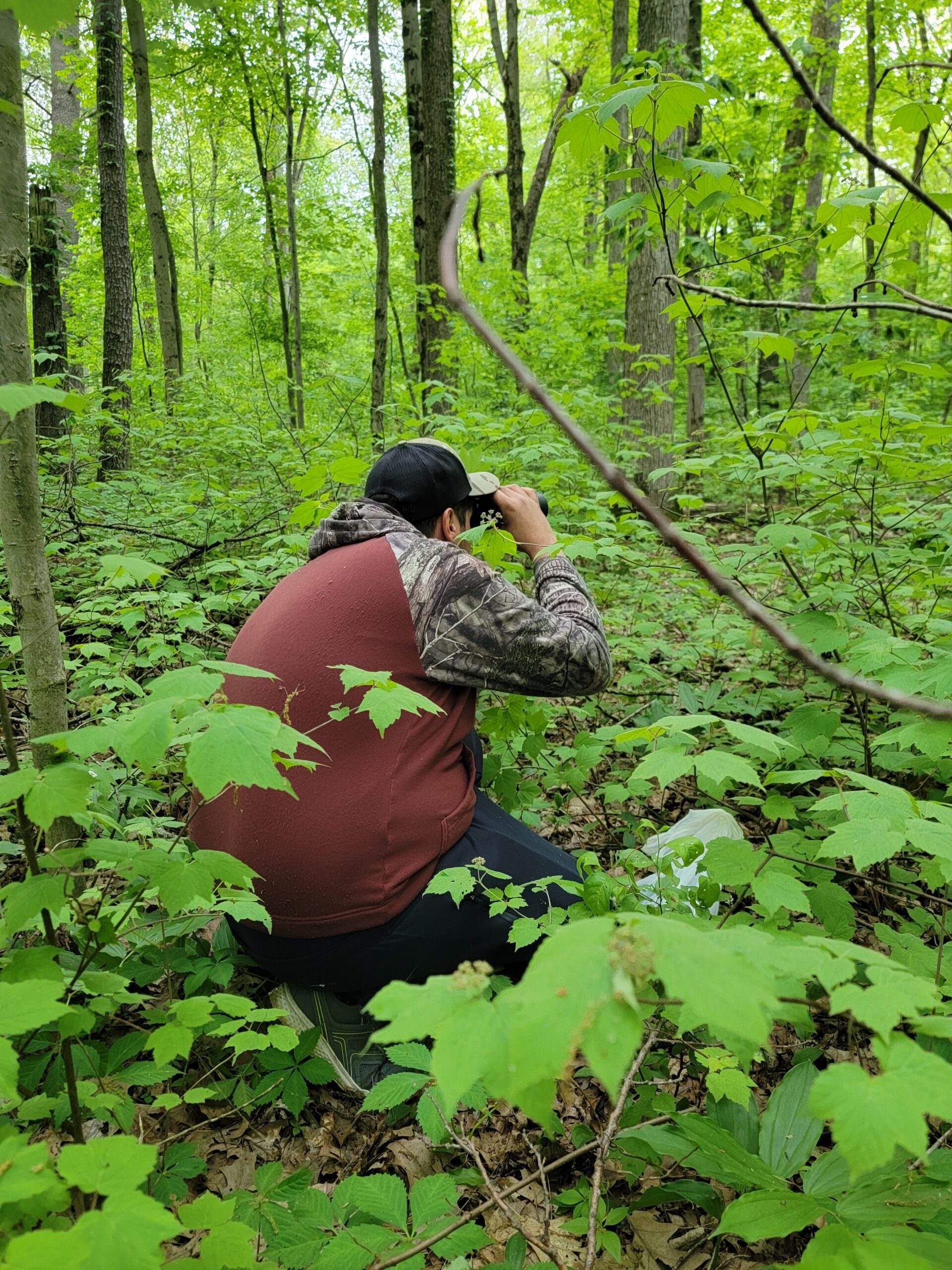
©Field ObservationsPhoto: Lucas Beaver
©Motus Workshop at LPBOPhoto: Lucas Beaver
Photo: Lucas Beaver
©Field ObservationsPhoto: Lucas Beaver
Timiskaming First Nation continues to work closely with the Science in the North team at Birds Canada, which helps support Indigenous-led efforts in bird conservation and environmental monitoring in the North.
We’re proud to assist Timiskaming as they build on their conservation goals – whether that’s through new bird tracking projects or exploring ways to bring bird-based learning, like Motus and migration education, to the local school curriculum.
Together, these efforts are helping protect important habitats and spark the next generation of environmental stewards.
Collaborations with Timiskaming First Nation and other Indigenous Nations and groups across Canada give us so many clear examples of how Indigenous leadership and collaborative knowledge can come together to protect birds, habitats, and biodiversity for generations to come.
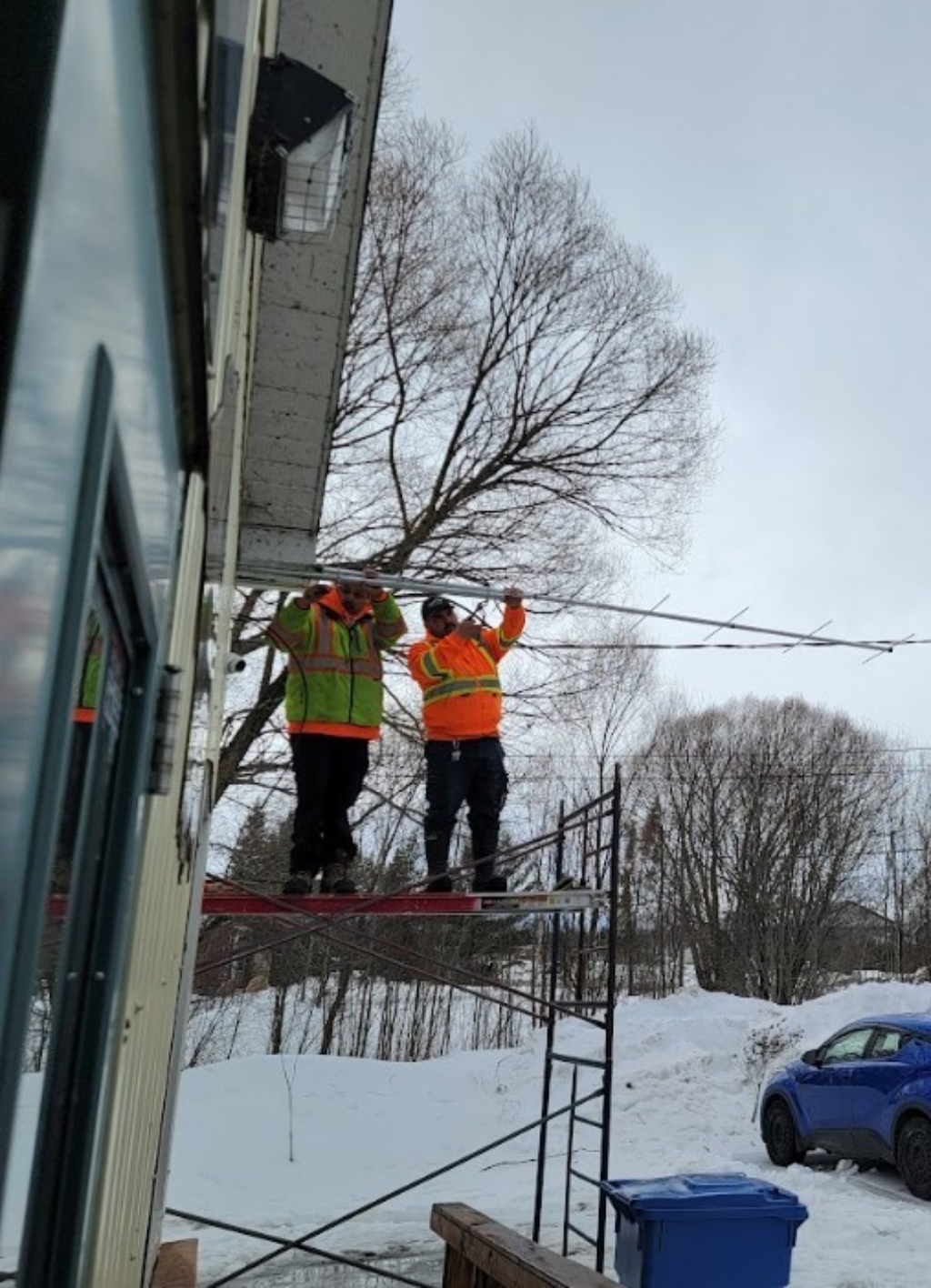
©Motus Tower InstallationPhoto: Lucas Beaver
My lifelong passion for birds and the natural world has deeply influenced my personal and professional journey. Growing up in rural Northern Ontario, I was immersed in environmental exploration thanks to my parents' dedication to conservation. My interest in birding was ignited in 2005 through the Doug Tarry Young Ornithologists Workshop and subsequent internship at Long Point Bird Observatory. Professionally, I’ve worked across governments, non-profits, consulting firms, and First Nations communities, focusing mainly on building capacity for scientifically sound environmental assessments within Indigenous territories. My experience spans diverse sampling protocols, from the ancient Lake Sturgeon to the resilient Monarch. I am excited to bring my skills to Birds Canada and the Growing Capacity for Science in the North project, where I look forward to collaborating with Northern communities and aligning our priorities for impactful conservation.
Sign up for Birds Canada’s newsletter to receive the latest stories, science, conservation news, and opportunities to get involved.
The unprecedented international effort to understand and reverse declines in one of North America’s most iconic waterbirds.
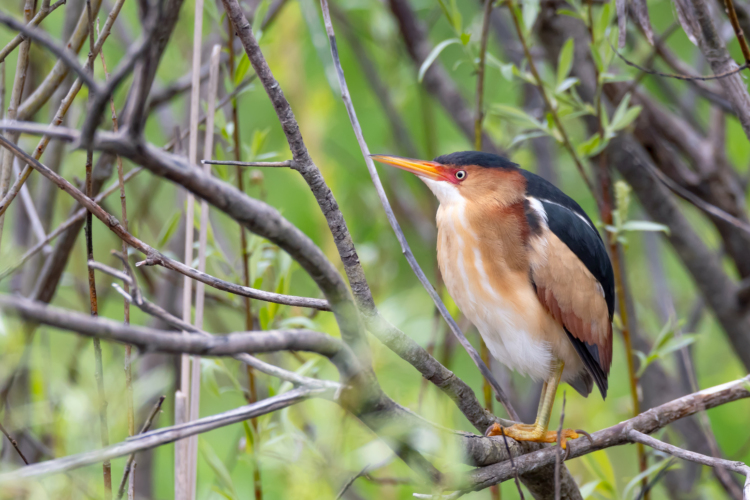
Birds Canada science has helped attract millions of dollars in recent funding to restore hundreds of hectares of threatened Great Lakes coastal wetlands for birds. Read on to see how data from our Great Lakes Marsh Monitoring Program and science-based recommendations from our Long Point Waterfowl and Wetlands Research Program have been critical for making this happen.
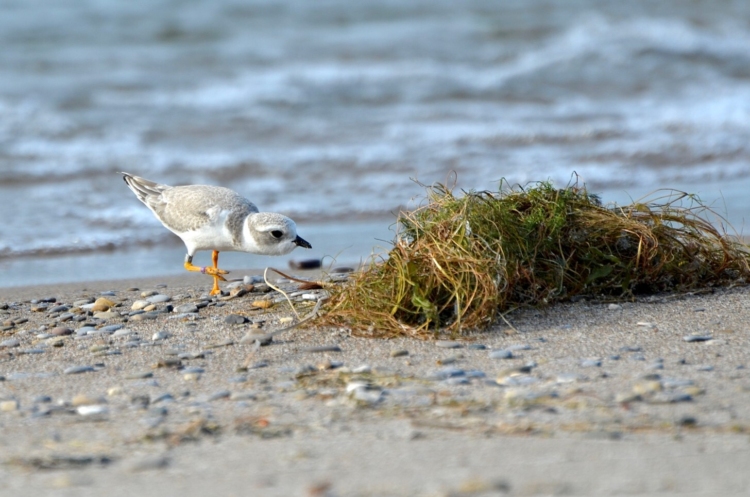
More than a century of conservation efforts paid off this spring, when a pair of Piping Plovers established a nest at Long Point for the first time since 1977. For nearly 50 years, birders, scientists, and nature lovers have eagerly awaited the return of nesting Piping Plovers to the Canadian shores of Lake Erie. Read on to learn just how significant this return is, and why it gives us hope for the future.