Join This Season
SwiftWatch
May - September
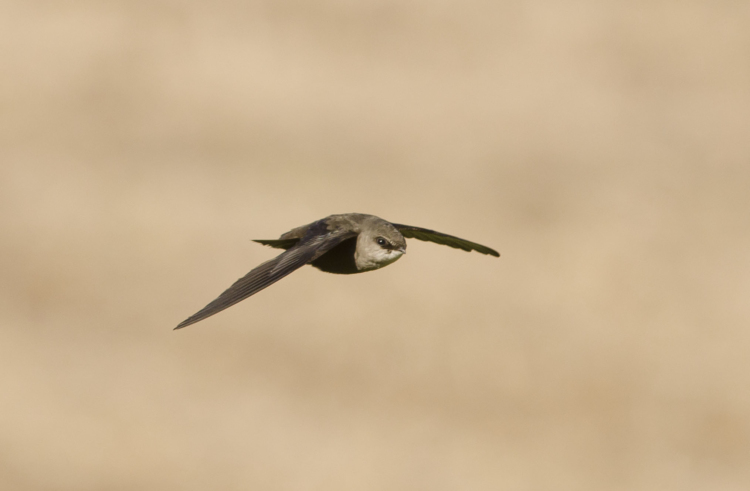
A flexible solo or group activity that can take place any time from dawn till dusk. Counting Chimney Swifts is quick to learn and the birds are delightful to observe.
From flight displays to fledglings, take your specialized bird ID skills to the next level by monitoring breeding birds.
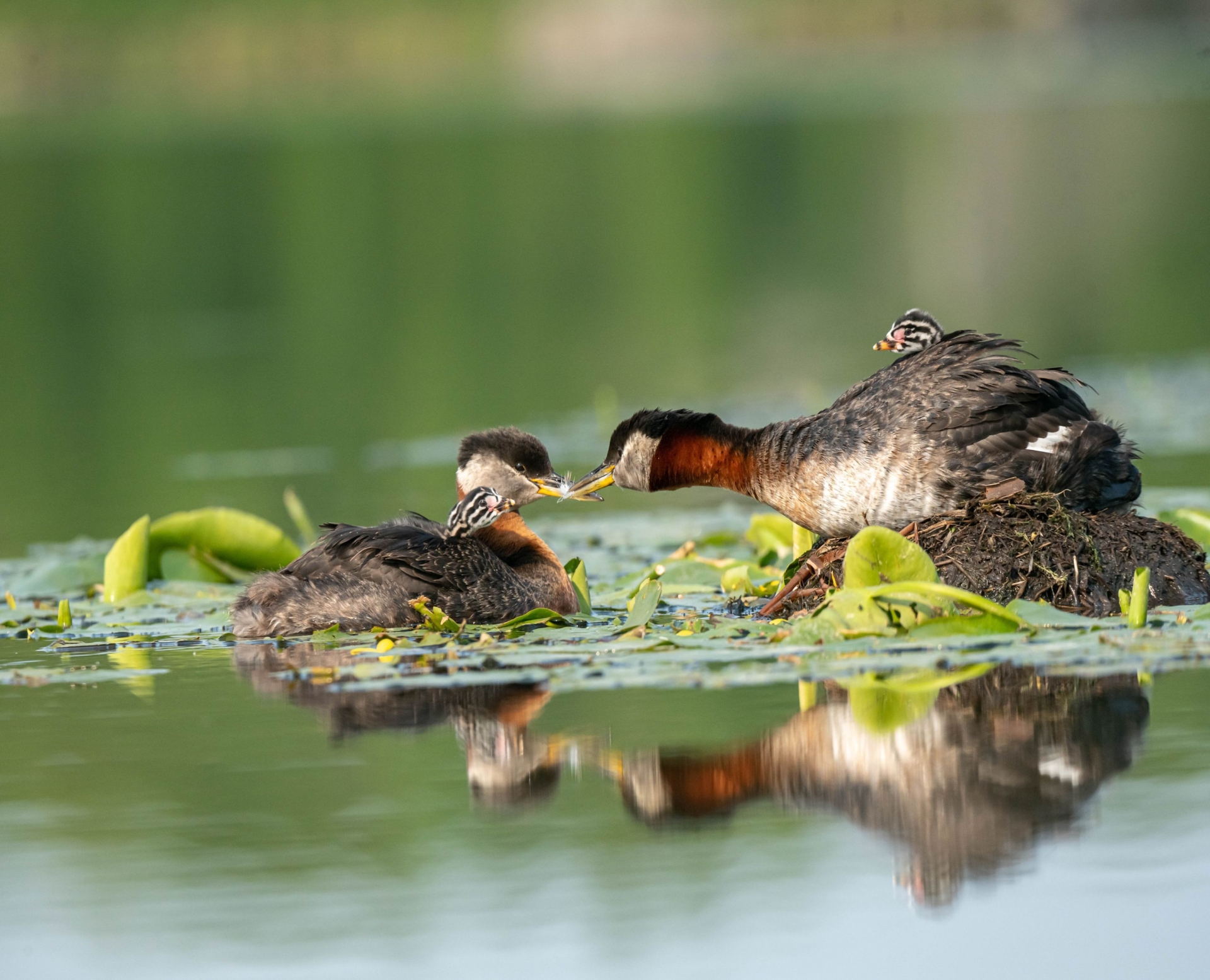
©Red-necked GrebesPhoto: Cristina Araya
©Red-necked GrebesPhoto: Cristina Araya
A Cliff Swallow scooping up mud, a Killdeer dancing with a broken wing display, or a Horned Grebe carrying chicks on its back are all signs of breeding birds. When we track these behaviours, it provides a greater picture of how bird populations are faring, and helps with land use decisions, conservation efforts and more.
Breeding bird atlases are large-scale projects with the objective of mapping the distribution and abundance of breeding birds in a selected region, such as a province. They are typically conducted over a period of five years and repeated every 20 years in order to track changes in species ranges and abundance over decades. Atlases usually involve hundreds or even thousands of volunteers. When you head into nature to survey for birds and breeding evidence such as courtship displays, active bird nests, or newly-hatched young – you join a nation-wide community helping Canada’s birds.
Breeding bird atlases offer a publicly accessible source of data that is open to all groups and individuals looking to learn more about where birds are and how they are doing in their region, and interested in making informed decisions regarding birds and the natural world. By contributing observations, you help build a bigger picture of where birds are in each province, what habitats they are using, and whether their populations are thriving, stable or declining. These insights help provide evidence for Species at Risk policy and recovery, steer informed habitat management, guide land-use planning, answer research questions like the effects of climate change on bird populations, and so much more!
Since the year 2000, breeding bird atlases have been completed in British Columbia, Manitoba, the Maritimes, Québec and Saskatchewan. Data and results for the third Ontario Atlas and the first Newfoundland Atlas will be published in the next couple of years, with both provinces completing their final year of data collection in 2025.
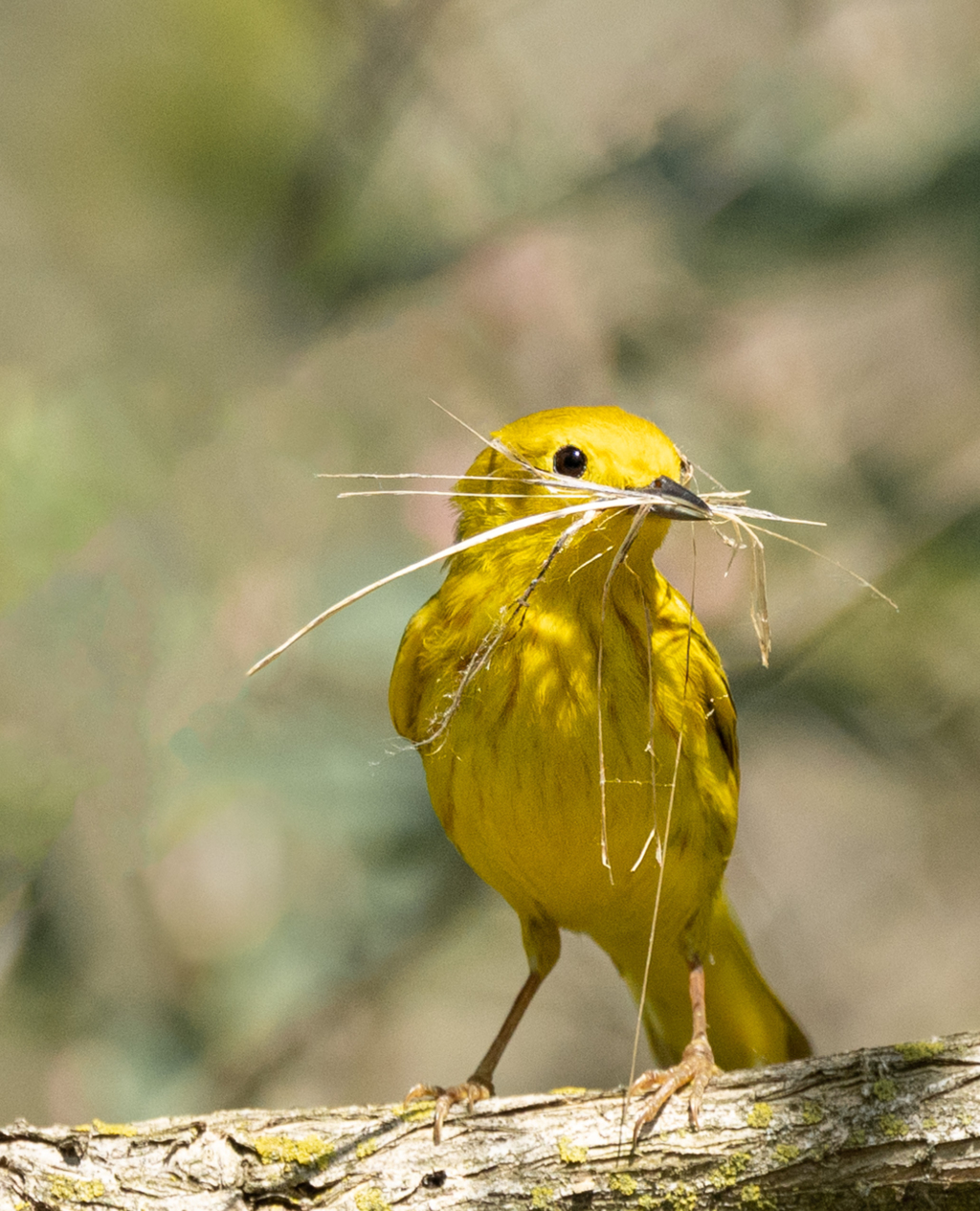
©Yellow WarblerPhoto: Caroline Tanchioni
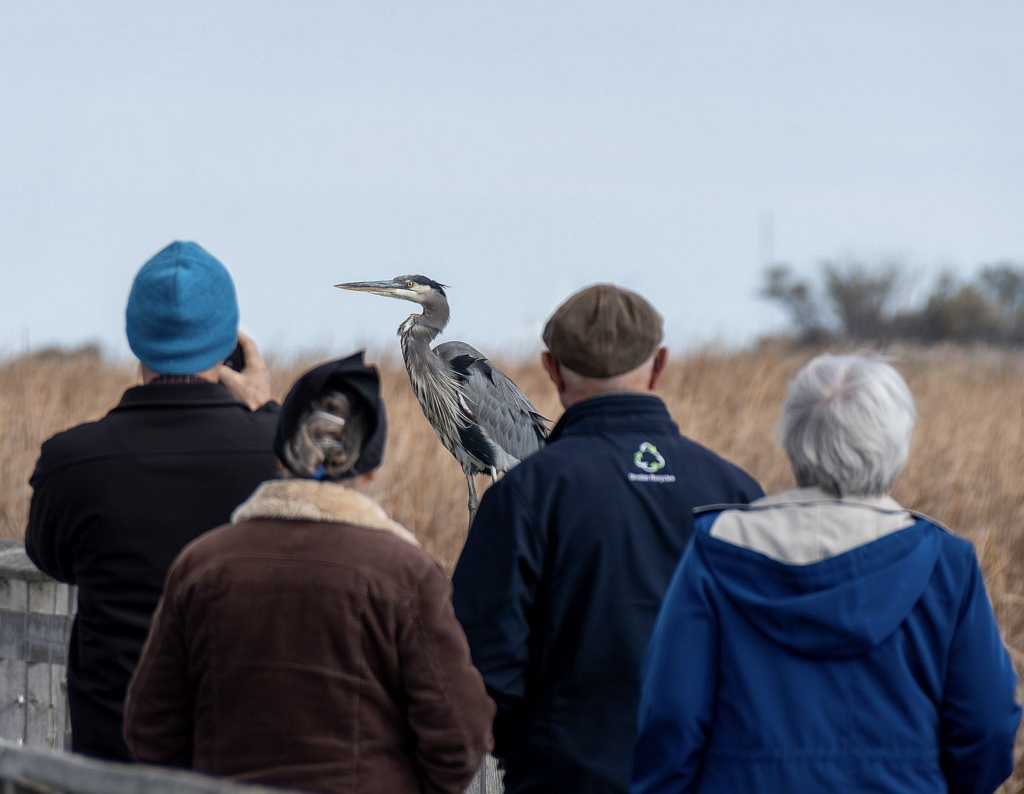
©Great Blue HeronPhoto: Natasha Chortos
Sign up for Birds Canada’s newsletter to receive the latest stories, science, conservation news, and opportunities to get involved.
A flexible solo or group activity that can take place any time from dawn till dusk. Counting Chimney Swifts is quick to learn and the birds are delightful to observe.
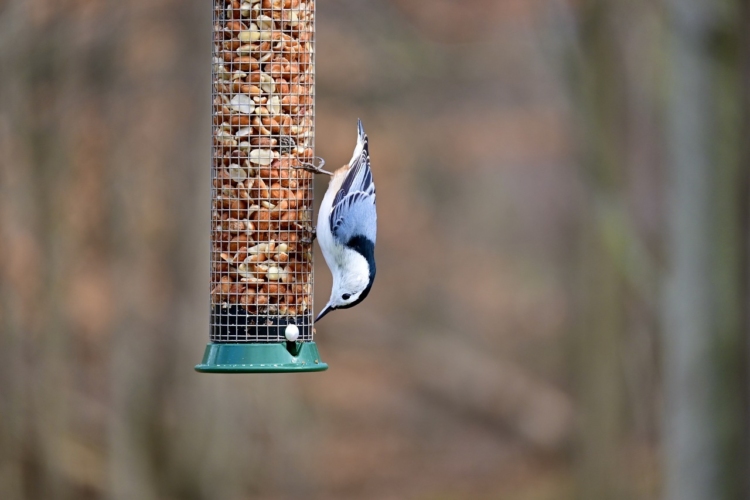
Counting birds at your feeder this winter is an easy, flexible opportunity - open to all skill levels and a great way to learn bird identification.
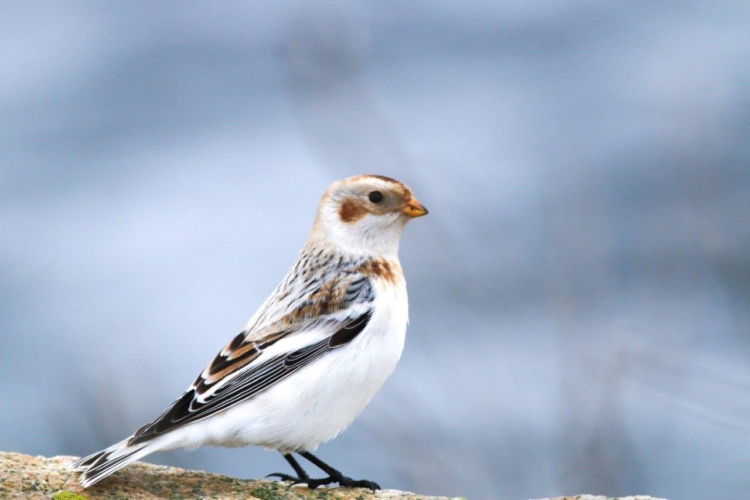
A long-running favourite, the Christmas Bird Count welcomes all skill levels and is a great way to meet birders, build skills, and embrace winter.
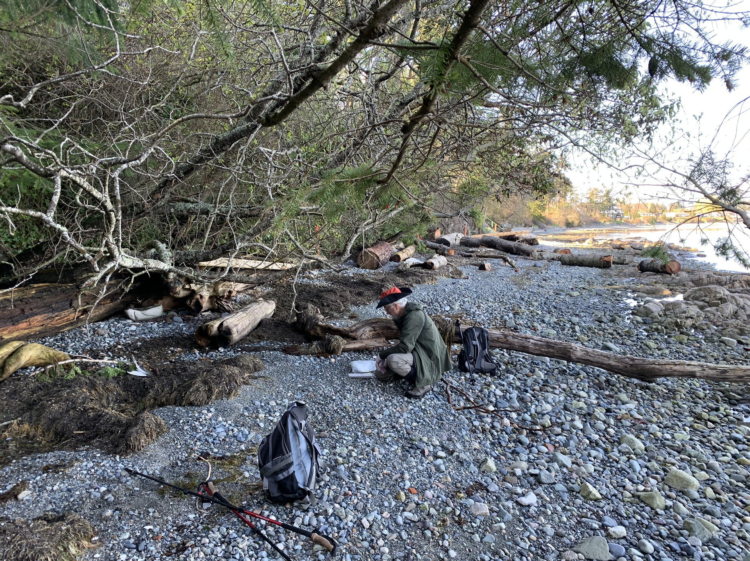
All skill levels can help monitor seabird mortality along coastlines – essential for early detection of oil spills and environmental change.
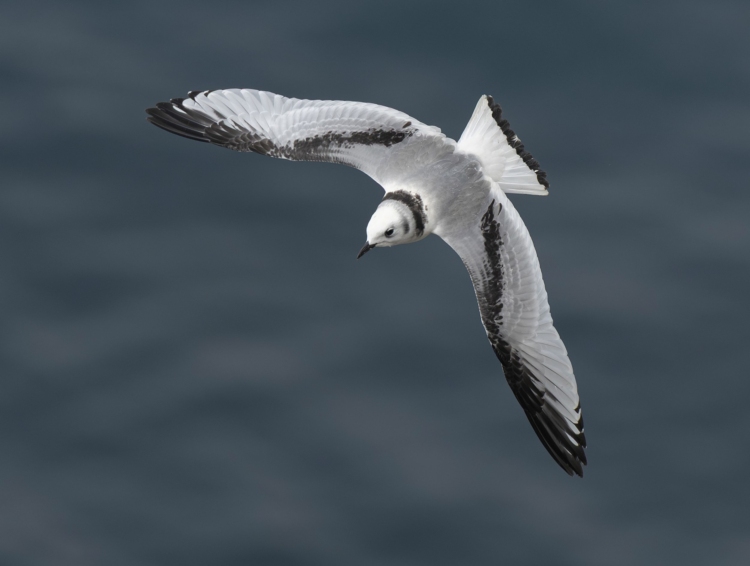
With specialized waterbird and raptor ID skills, help monitor a stretch of coastline once a month from September to April.
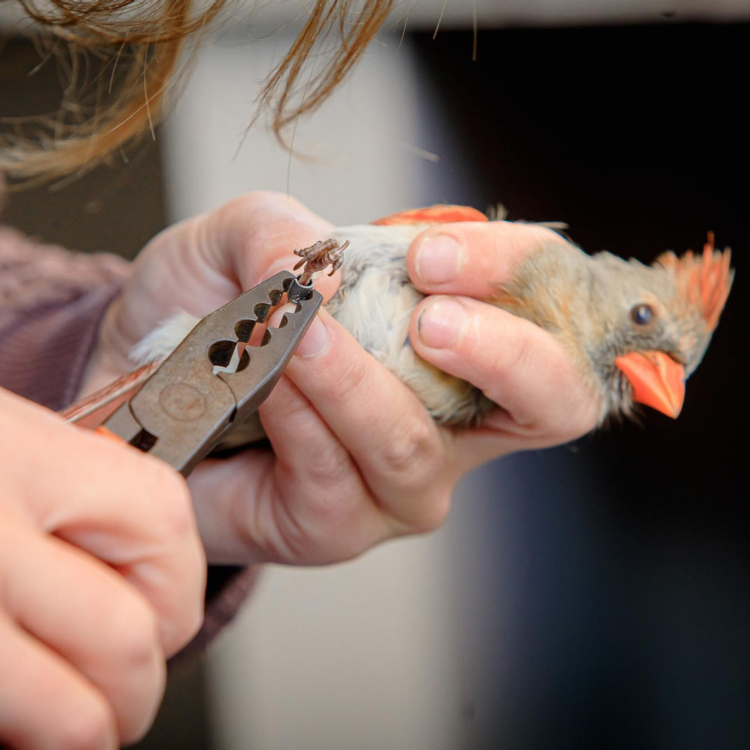
Located in the heart of an important migration corridor in Long Point, Ontario, LPBO brings people together through research, education, and training that deepens our understanding of birds, conservation, and the natural world. From migration monitoring to public engagement, LPBO offers volunteer opportunities to build skills, gain hands-on experience, and contribute to meaningful conservation work. More than a volunteer experience, this is a chance to live and learn at the heart of migration and become part of a community working together for birds.