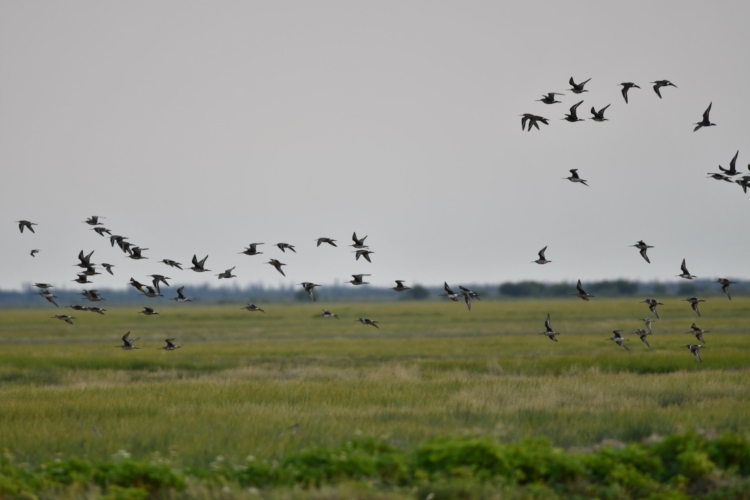
Weeneebeg: Connecting Birds, Land and Community
Where are the birds that gather along the James Bay coast migrating from? How long do birds remain in this area? And where do they go when they leave?
Recent re-evaluation of pesticide regulation in Canada is a cause for concern. We explore their impacts on insectivorous birds, look at how we’re taking action as an organization, and share ways you can help at home.
Spring will soon be upon us, bringing with it flowers and the sweet sound of bird song as birds return from their non-breeding grounds. However, as the State of Canada’s Birds 2024 recently showed, the return of grassland birds and aerial insectivores will continue to be at historically low levels. Sadly, there are many threats responsible for the over 40 years of population decline within these two groups of birds. One relatively recent threat that Birds Canada has been raising the alarm about is the dramatic increase in the use of neonicotinoid pesticides, or “neonics”, that began in the early 2000s.
The widespread use of neonic pesticides has been shown to result in insect declines, meaning less food for insectivorous birds and, when consumed on neonic-treated agricultural seed, to have troubling effects on the behaviour and health of birds. In fact, over 20 years of evidence on the negative impacts of neonics on the environment and wildlife has led to bans and stricter regulations for their use in many parts of the world, including some Canadian provinces. However, more needs to be done.
In 2018, as a result of this growing evidence of impacts, Canada’s Pest Management Regulatory Agency completed their scientific review of a neonic called imidacloprid, and proposed “the phase-out of all the agricultural and a majority of non-agriculture uses of imidacloprid due to risks to aquatic organisms.”
However, in 2021, after consultations and a re-evaluation of the evidence, the Agency changed their decision, instead deciding to cancel specific types of uses and set limits on the amount that could be applied. Although the 2021 decision stated that “risks related to the consumption of imidacloprid-treated seeds by birds and mammals were not shown to be acceptable for some exposure scenarios,” the recommendation was softened—rather than a phase out, the final decision was to limit the concentration of neonics on seeds. This means large amounts of neonic pesticides continue to be released into the environment, including soil and water, and birds continue to consume neonic-coated seed.
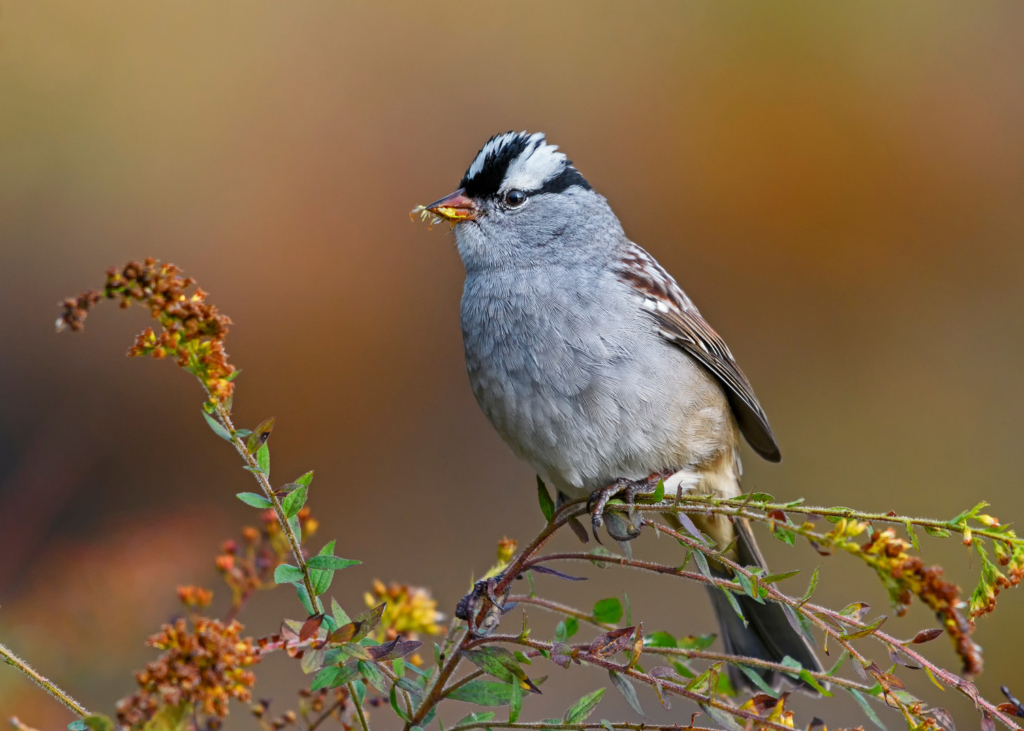
©White Crowned SparrowPhoto: Nina Stavlund
Late last fall, concerning information came to light: the Pest Management Regulatory Agency may not have considered key scientific evidence of the environmental impacts of neonics, and pesticide industry influence could have played a role in decision-making. As a science-based organization that is actively involved in generating new knowledge about insectivorous birds so we can make smart decisions about how to eliminate threats and recover populations, Birds Canada takes this very seriously.
In late November, we joined other nature and environmental organizations in writing a letter to the Honourable Mark Holland, federal Minister of Health, requesting that he urgently establish an independent panel to review the government’s re-evaluation of neonic pesticides that led to the 2021 change in decision and a continued risk to birds. On January 22nd, the Minister responded. His response did not commit to any urgent action but did leave the door open to an independent review and confirmed that the Agency would engage with nature and environmental organizations to address our concerns with transparency and public confidence in Agency decision-making.
As birds return to our fields and forests this spring, they need us to reduce threats to their habitats and young, including the risks posed by pesticides. This means taking action across multiple scales – in our own backyards and in calling for stricter regulation.
As a supporter, your actions make a difference. This spring, you can:
For our part, Birds Canada will continue to support a phase out of neonicotinoid pesticide uses that harm aerial insectivores and other bird groups.
Growing up in coastal British Columbia, my fascination with the natural world was encouraged by my parents and teachers from a young age. When I landed a summer job studying seabirds on the East Coast during university, I discovered a career that fulfills my passion for conservation and love of learning. As the Aerial Insectivore Conservation Program Coordinator in the Atlantic Region, I work with a dedicated team of citizen scientists, landowners and partner organizations to improve monitoring and stewardship of swifts and swallows. Now a parent myself, I’m motivated by my children’s boundless curiosity and eagerness to explore our environment. The creativity and passion of volunteers and colleagues inspire me to seek innovative partnerships and strategies to support the conservation of swifts and swallows in Canada.
I am a conservation professional with over 20 years of experience in translating science and knowledge into action for species and habitats. I have worked on biodiversity conservation at the local, national, and international level. Prior to joining Birds Canada I led the conservation program of the Canadian Wildlife Federation and worked as a federal policy analyst for Species at Risk and migratory birds at the Canadian Wildlife Service. I hold master’s degrees in environmental policy, earth sciences, and biology. I take my inspiration from noticing the beauty in the small details of nature whether it be in the green spaces of the city or the vast wilderness areas we are lucky to have in Canada.
Sign up for Birds Canada’s newsletter to receive the latest stories, science, conservation news, and opportunities to get involved.
Where are the birds that gather along the James Bay coast migrating from? How long do birds remain in this area? And where do they go when they leave?
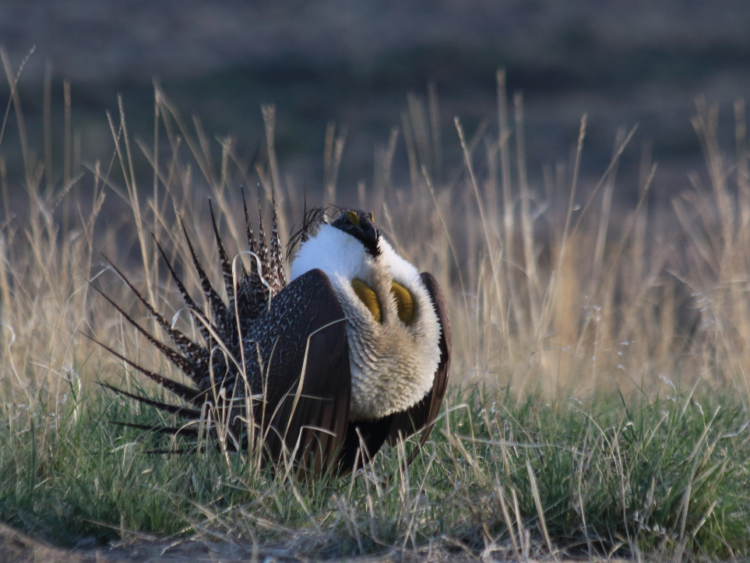
Alberta has opened the door to new development in the heart of Canada’s Greater Sage-Grouse habitat. With an estimated 54 birds left in the entire province, the stakes could not be higher. The species is already extirpated from British Columbia, making Alberta’s remaining population all the more important. As industrial development continues to be at the forefront of national and provincial priorities, we must be careful to shape a future where economic development and protections for our most imperiled species can coexist. This is an achievable goal, supported by the knowledge and tools that already exist.
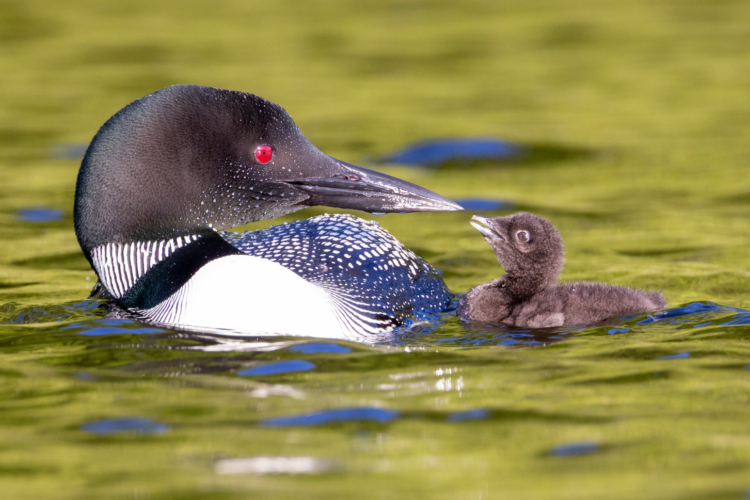
The unprecedented international effort to understand and reverse declines in one of North America’s most iconic waterbirds.