5 min read. | Lien vers le blog en français.
By Amanda Bichel, Key Biodiversity Areas Coordinator
When I look back on the past year, a highlight for me was road–tripping to Key Biodiversity Areas (KBAs) across Alberta and British Columbia. As coordinator of the KBA program, I’ve spent so much time looking at these areas on maps and thinking about the species they support—so it’s no coincidence that to see these landscapes and their amazing biodiversity in person, was spectacular.
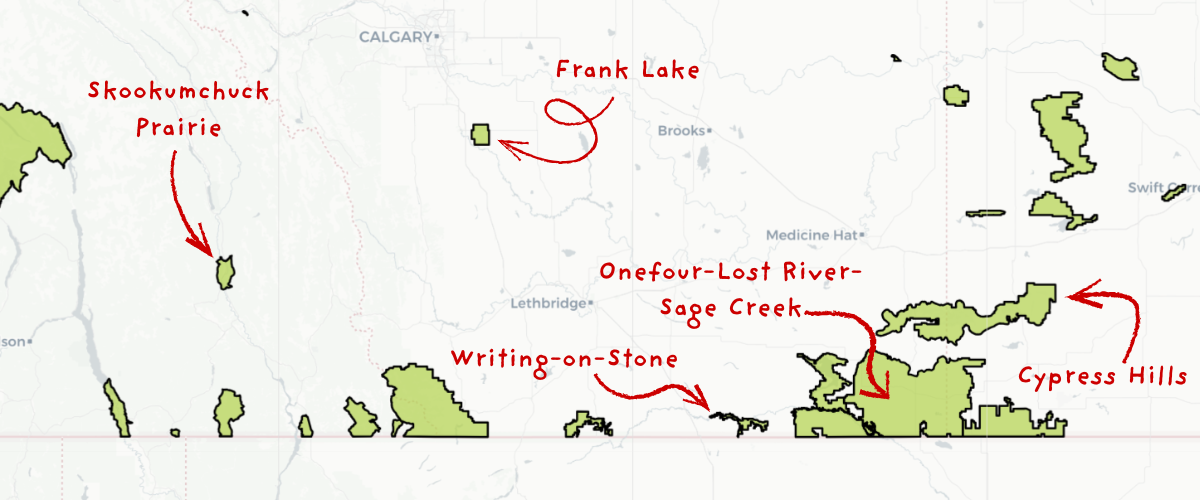
KBAs are sites that contribute to the persistence of biodiversity nationally and globally. These areas typically support rare and threatened species and ecosystems, and key natural processes (like migration). Join me on my road trip as I share highlights and the species that make each of these locations so important and special. I’ve included a map below, in case you’re inspired to take a similar road trip in 2026!
British Columbia
In May, I journeyed to the Skookumchuck Prairie KBA in BC to meet some passionate, dedicated volunteers, and Birds Canada staff for a KBA-wide survey. It was an incredible day. The KBA has been designated for Lewis’s Woodpecker, a bird that breeds in the hollowed out, burned up Poderosa Pines. We found one tree with two nesting cavities, and watched these dark green and pink woodpeckers (you read that right) flit and flycatch gracefully between trees. Below those same trees in the short grasslands, I was overjoyed to spot a “lifer” — the Long-billed Curlew. These giant shorebirds are magnificent, almost unreal because of their awkwardly long curved bill that they use to peck at the ground for insects. Listening to their ghostly gull-like flight calls during the survey was unforgettable.
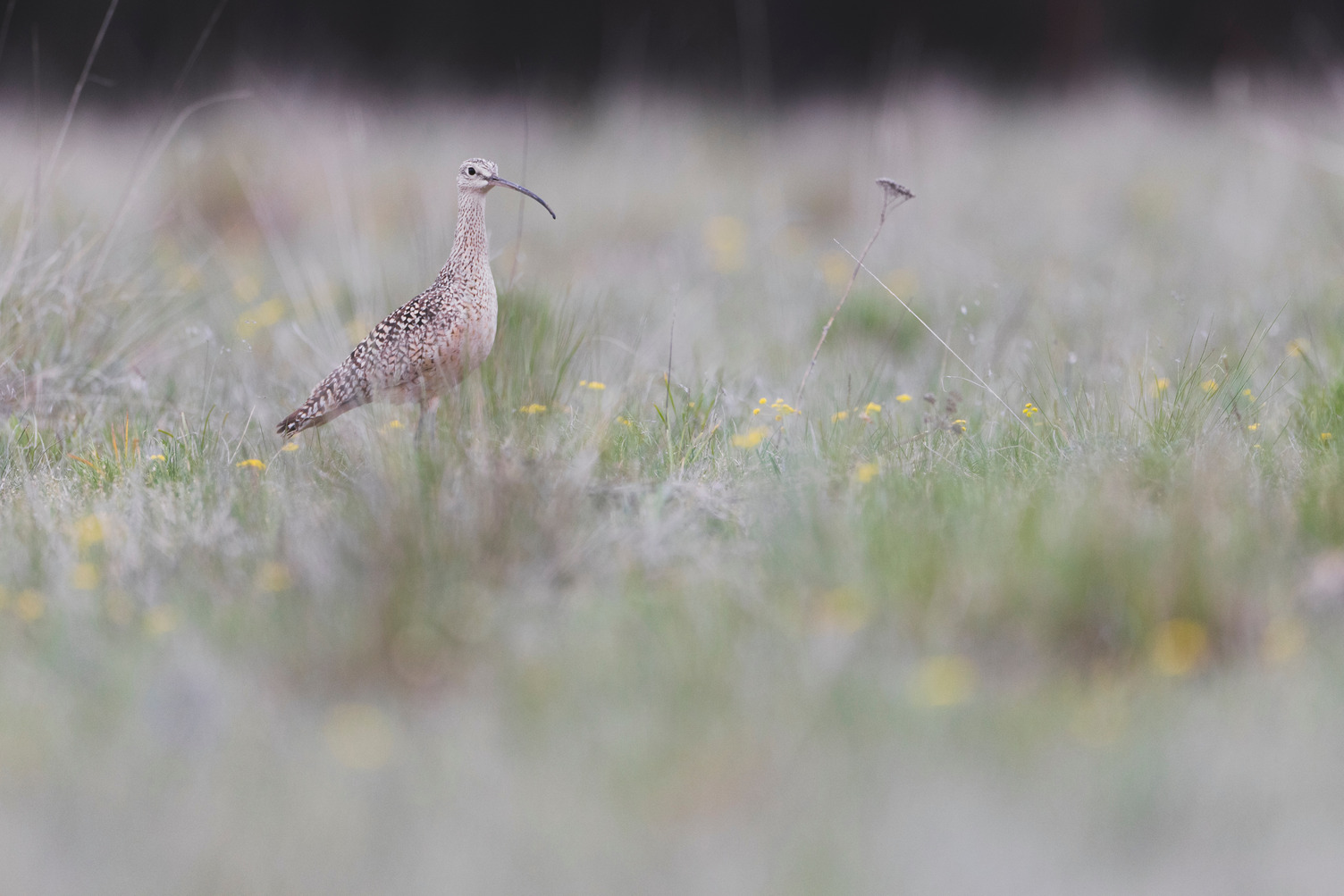
Long-billed Curlew. Photo: Kris Cu
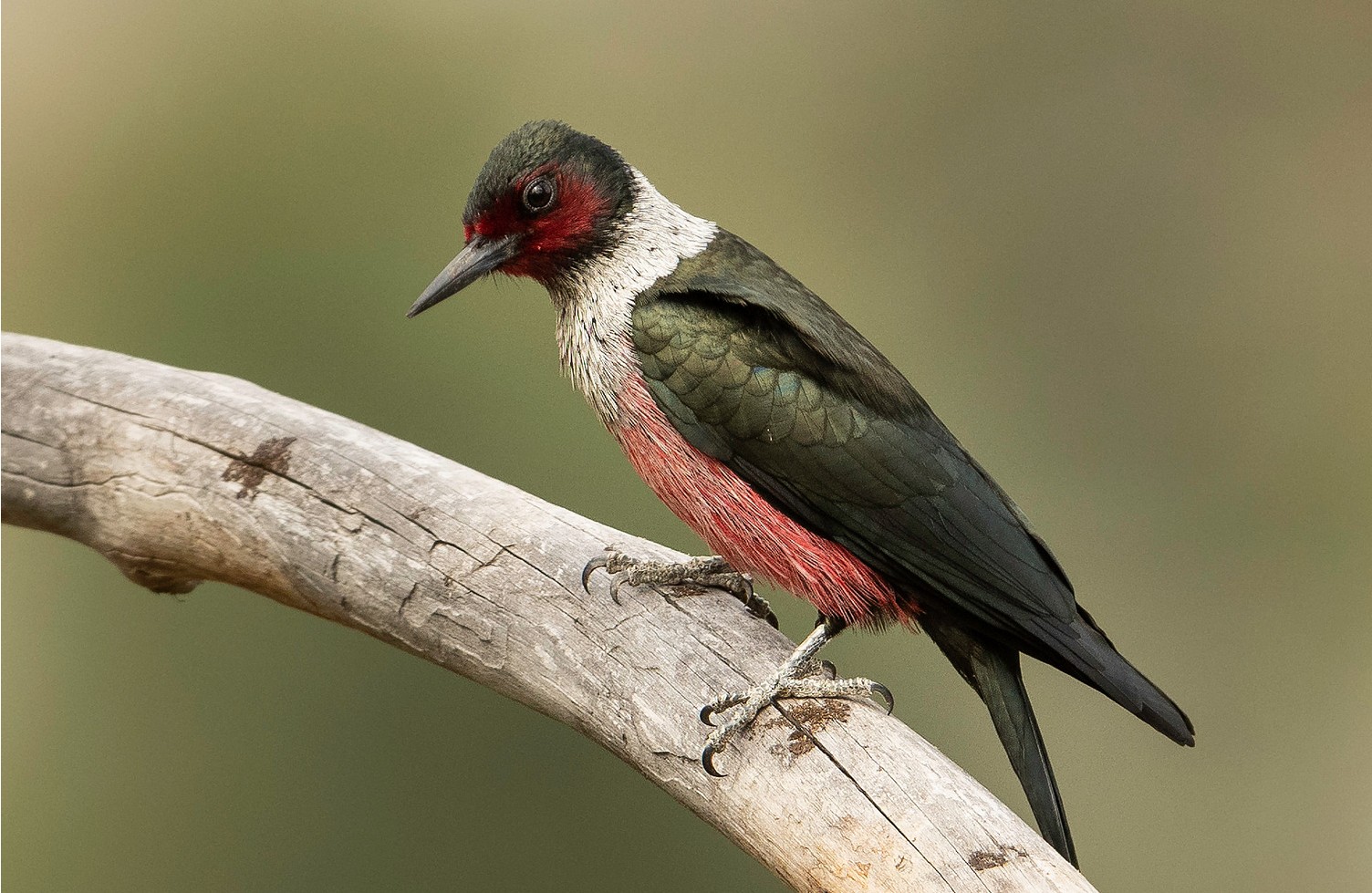
Lewis Woodpecker. Photo: Ian Routley
Alberta
The beginning of August was filled with baby birds. My first pitstop was approximately 50km south of Calgary at the Frank Lake KBA where I watched an Eared Grebe feed and piggyback its baby – then an awkward juvenile Black-crowned Night-Heron catapulted out of the reeds!
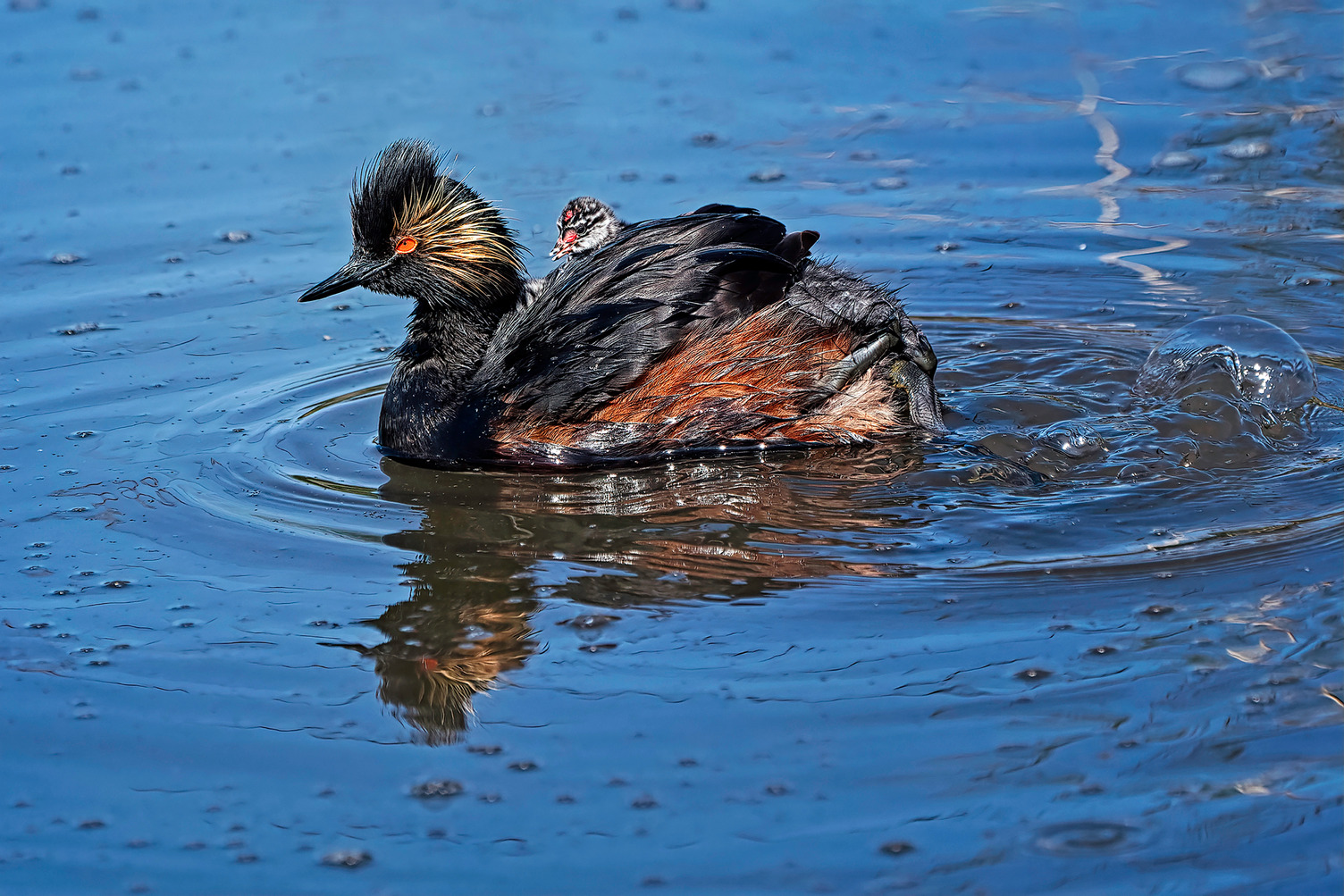
Eared Grebe. Photo: Deborah MacEwen
Afterwards, I camped at the prehistoric–looking Writing-on-Stone KBA. Far south, nearly at the border, this is easily my new favourite spot in Alberta. In this park you are transported to a mystical, historical place. It is easy to see why Indigenous people hold this as a sacred landscape and have for thousands of years. The Milk River provides a welcoming home to two at-risk fish species, and the surrounding coulee shrublands host half of the Canadian population of Weidemeyer’s Admiral butterfly. Walking along the hoodoos in the early morning listening to Spotted Towhee chicks find their voice, and watching Eastern and Western Kingbirds, and Western Wood Pewees feed their young was a treat. My favourite (and the cutest) moment was when a Rock Wren chick flew past to watch me through a tiny crack under a safe, cozy rock.
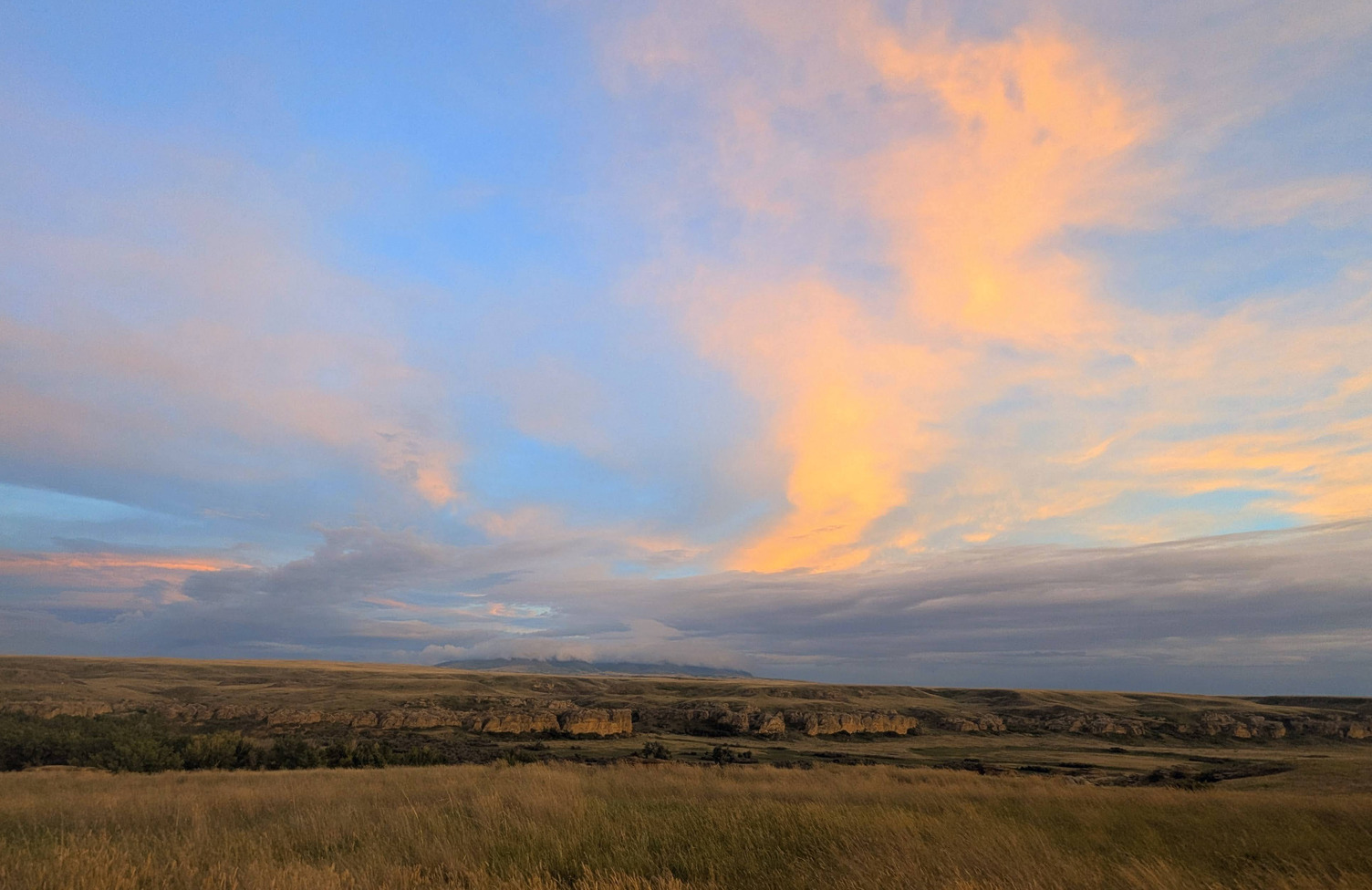
Writing-on-Stone KBA. Photo: Amanda Bichel
On the road again, heading east, I saw a Prairie Rattlesnake and many grassland birds in the Onefour-Lost River-Sage Creek KBA, another incredibly important grassland KBA. The roadside birding was phenomenal! All four songbirds that the KBA is designated for made an appearance; Chestnut-collared Longspur, Sprague’s Pipit, and two birds I’d never seen before—Thick-billed Longspur and Lark Bunting! There were also Ferruginous Hawks and Common Nighthawks flying around, and this one let me get especially close.
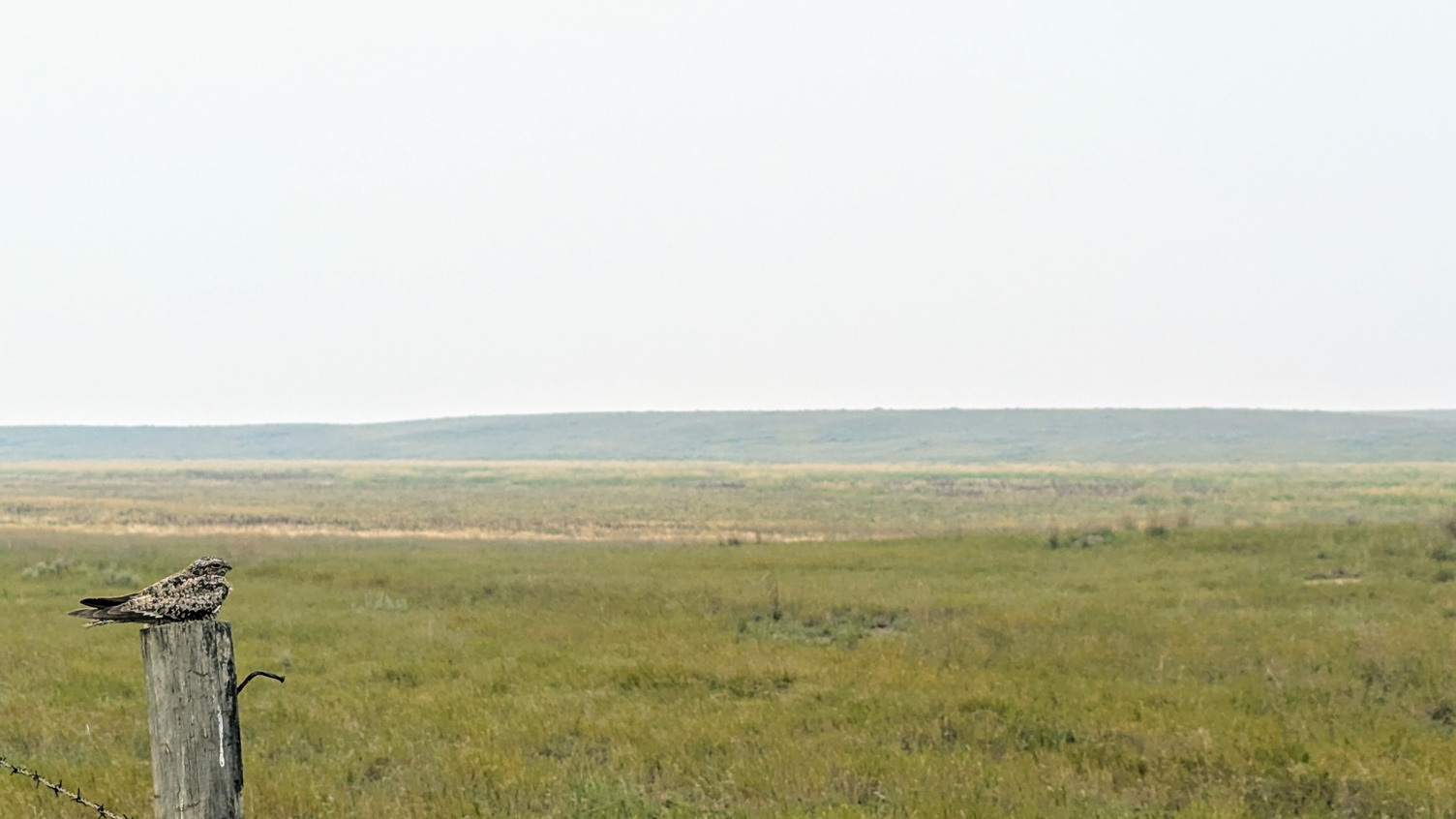
Common Nighthawk. Photo: Amanda Bichel
At the Cypress Hills KBA, which spans the Alberta-Saskatchewan border the diverse plant and animal life is immediately apparent. During a hike through forests, shrublands, and grasslands, there were more butterflies than I could possibly take photos of (I tried).
Cypress Hills has 13 species of hawthorns, 9 of which are threatened or have limited ranges – these plants provide nectar and habitat for butterflies.
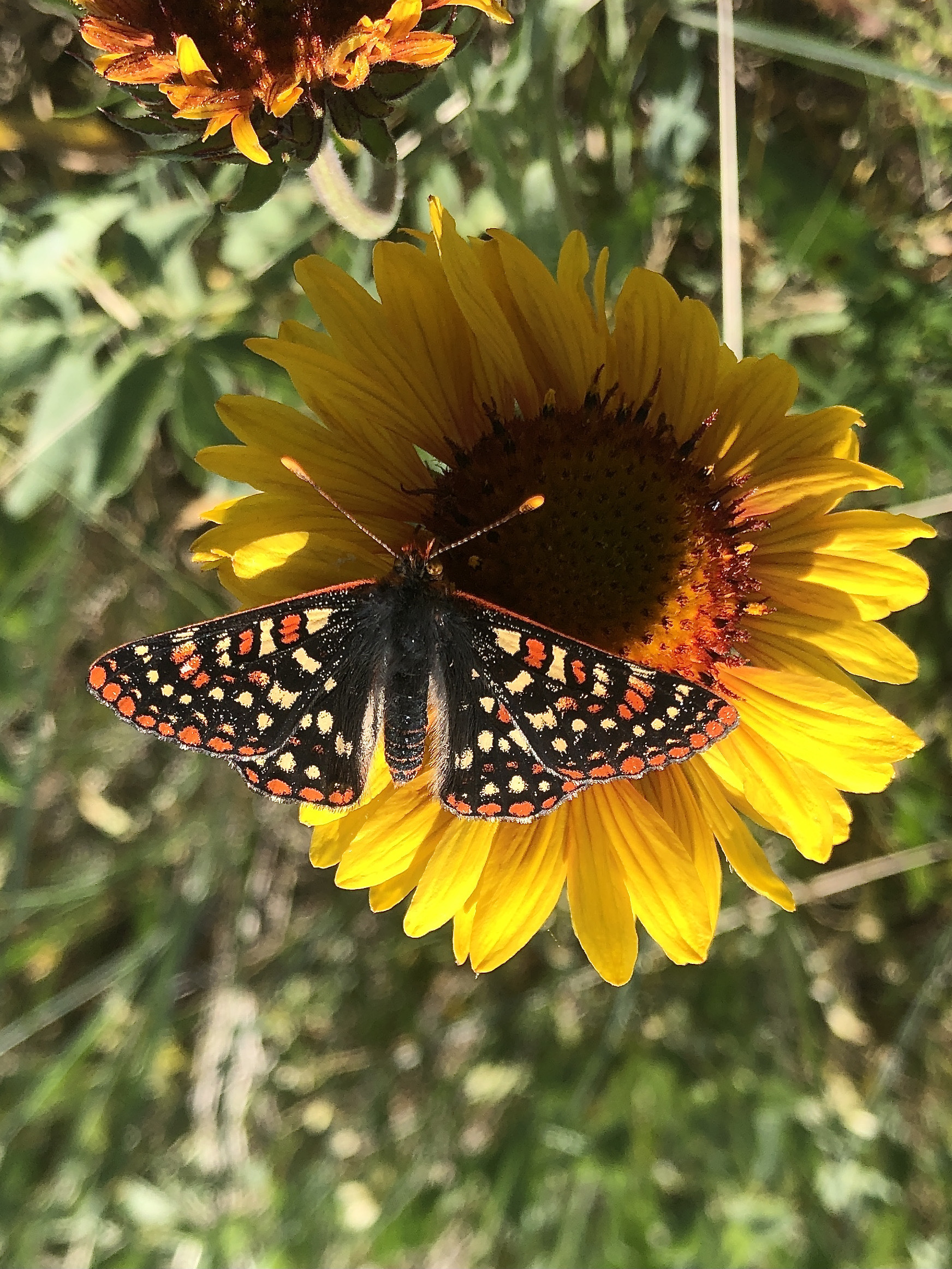
Anicia Checkerspot in Cypress Hills, Alberta. Photo: Jody Allair
Back to British Columbia!
Later in August my son and I drove west to explore KBAs on the Pacific coast. The Fraser River Estuary KBA is designated for 11 bird species and is important for a whole lot more, including large aggregations of birds and species at risk. Visiting a coastal rainforest gave us a small taste of this complex and species-rich KBA.
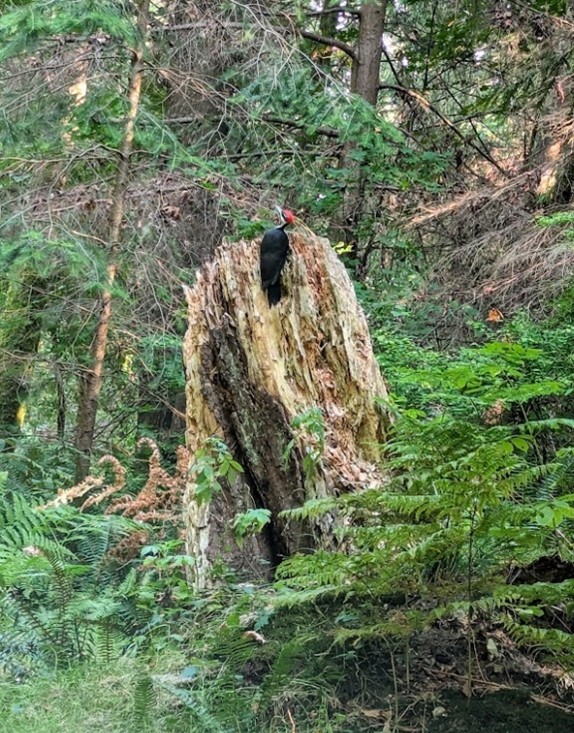
Pileated Woodpecker. Photo: Amanda Bichel
Onwards we went towards Victoria, BC! I was thrilled that while on a whale-watching tour, the conservation status of the XwaYen-Race Rocks KBA was mentioned by our tour guide, which made me proud and happy to see connections to the work we do at Birds Canada. Meanwhile, my son ran excitedly from one side of the boat to other, pointing out the SIXTEEN Humpback Whales that swam around us. Unfortunately, no Northern Elephant Seals were present at the time, this site is known for being the only rookery for this species in Canada. There were however many Steller Sea Lions, and if you’ve never heard the sound they make, take a listen! [link to this: Sound clip for Steller Sea Lion]
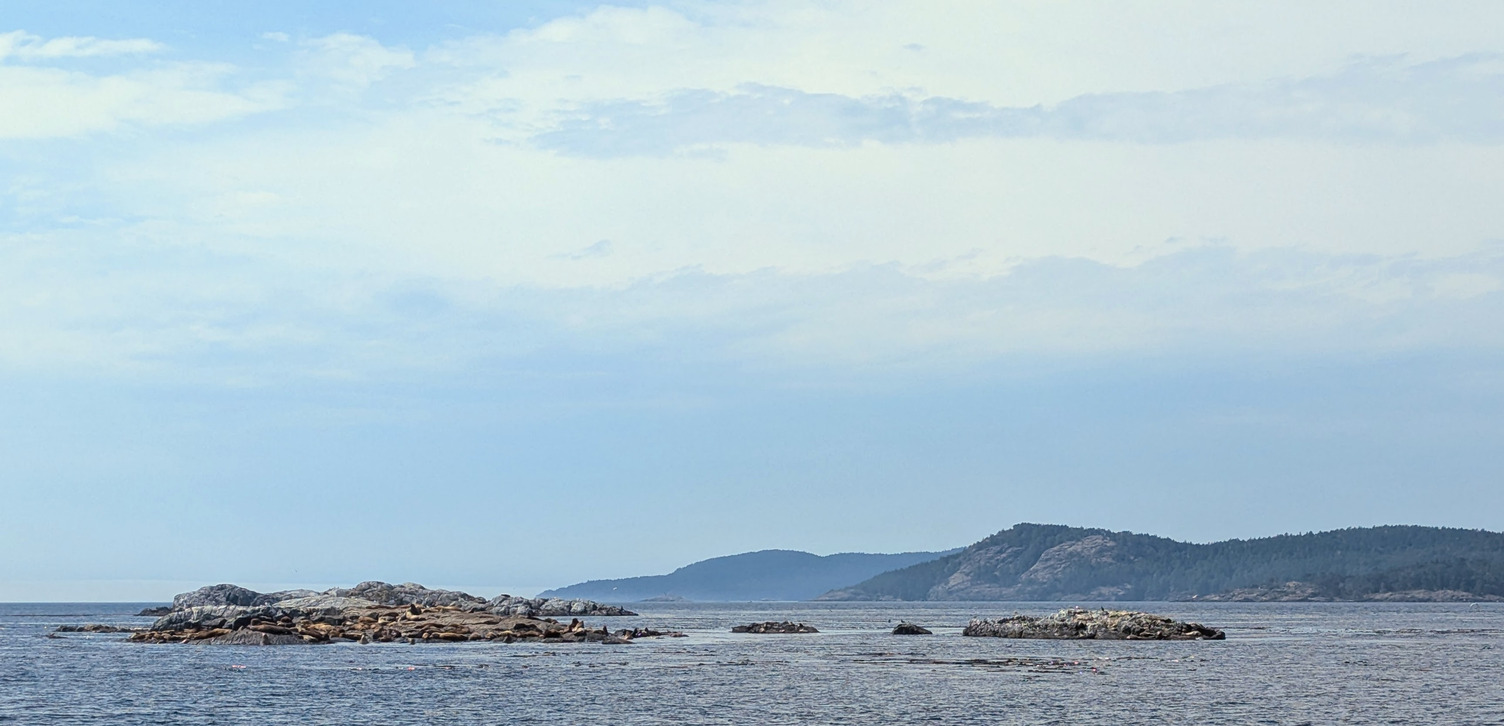
XwaYen-Race Rocks KBA. Photo: Amanda Bichel
As we neared the shore, I watched a well camouflaged bird among the rocks, turning stones over to look for prey – the aptly named Black Turnstone!
Our final stop was at Fort Rodd Hill, an unexpected KBA. Amidst the garrisons you suddenly find yourself walking through a preserved Garry Oak ecosystem, one of the most threatened ecosystems in Canada, and one that supports almost 700 plant species! A good reminder that KBAs can be anywhere, and that biodiversity can be found in unsuspecting places.
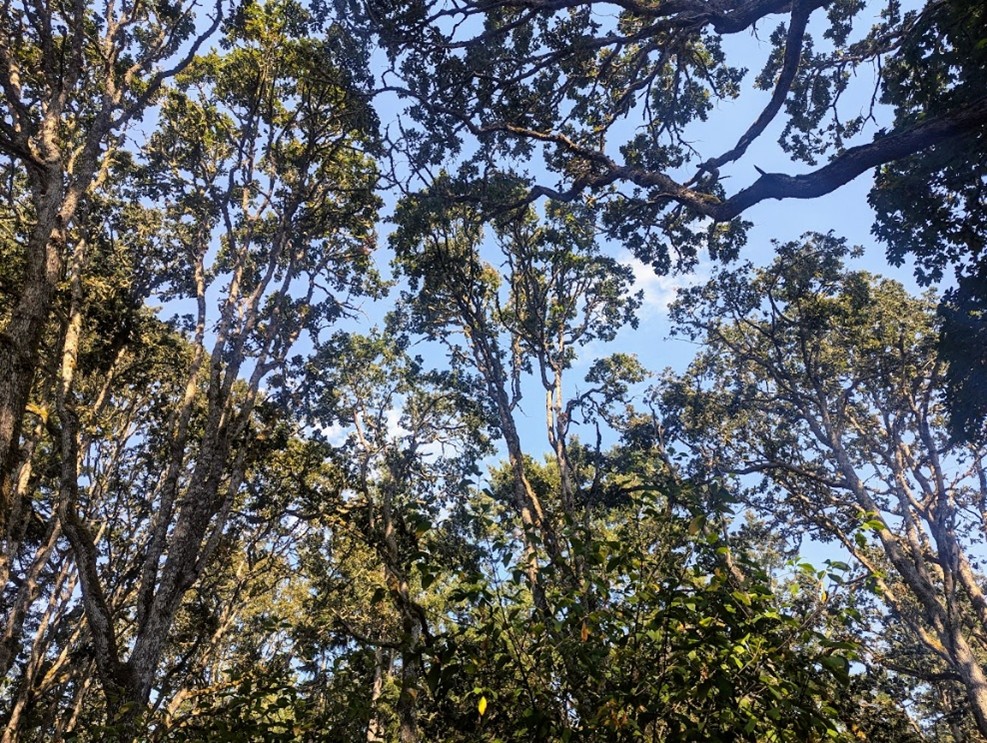
Gary Oak at Fort Hill. Photo: Amanda Bichel
In one short summer, I was grateful to see such a wide array of biodiversity simply by visiting a handful of KBAs. If it’s accessible, I encourage everyone visit their closest KBA to learn about the flora and fauna that need this habitat to survive.
The KBA Canada initiative is jointly coordinated by Birds Canada, NatureServe Canada, and WCS Canada.