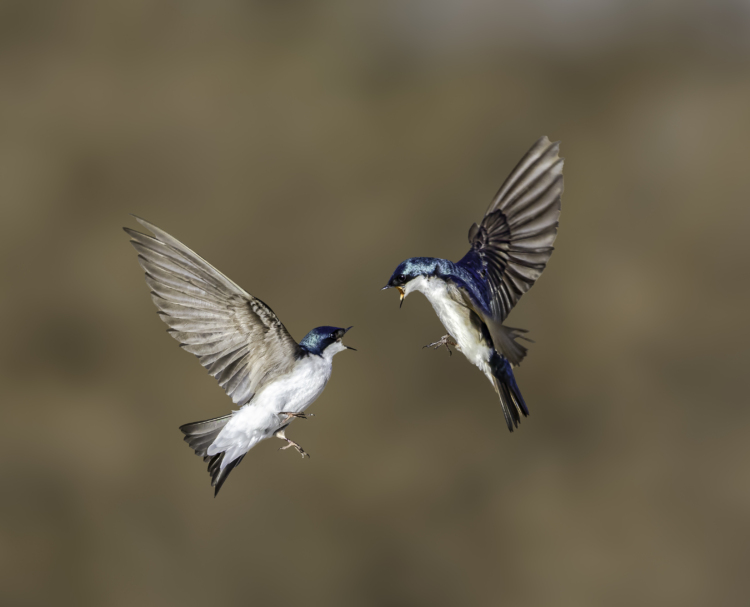
For many bird species, including Tree Swallows, it is most beneficial if their migration and breeding activities are timed to coincide with insect emergence— typically adults breed and chicks hatch during peak insect season when there’s lots of food. However, under a changing climate, this perfect timing doesn’t happen as often. In fact, a recent study using long-term data from LPBO demonstrated that Tree Swallows are breeding earlier as temperatures warm over time. Additionally, insect abundance is peaking earlier each year, so when birds return from migration, the buffet isn’t as full as it could be.
Featured News Stories
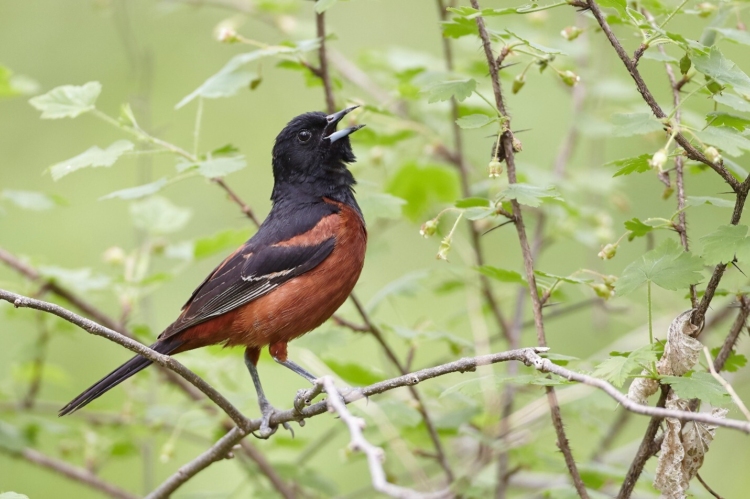
Thriving on the Edge: The Orchard Oriole’s Northward Journey
Photo: John Reaume | Bird Atlases across the country are providing insights into our most-loved species, but one that is sometimes overlooked is the Orchard Oriole (the Baltimore Oriole steals the attention!). Learn about an endearing species and it’s fascinating range expansion – knowledge gained with the help of Atlas volunteers.
Science in the Forest: Searching for Ontario’s Rarest Birds
Photo: Sean Jenniskens | The Ontario Forest Birds crew shares the intimate details of their field work. From mosquito bites to lush waterfalls – the team takes to the woods each summer in search of Ontario’s most at-risk forest birds. They strive to understand threats and provide protection in this incredible team effort.
What the unraveling of environmental safeguards means for the birds we love
Photo: Sean Jenniskens | Today, organizations across Canada, including Birds Canada, are raising concerns about the direction the federal government is taking, following a series of decisions that weaken environmental protections. This is far from the first time that the health of the environment has been misleadingly portrayed as a barrier to economic progress. But over the last few weeks, a succession of worrisome policy decisions has been made which will have compounding impacts on the birds we all love. Alongside similar initiatives in some provinces, these decisions are pushing our ecosystems—the environments we depend on—too far. For ourselves, and for the birds, we must do more. We must do better.
Birdathon: a 50-year Tradition for the Dunn-Hussell Family
Meet the family that has been a part of Birdathon since the beginning. Ricky Dunn and David Hussell started the original Birdathon back in 1976 to support Birds Canada’s founding program, the Long Point Bird Observatory. Their family hasn’t stopped participating since.
Counting for a Cause: 50 years of Birding for Conservation!
We invited long-time Birdathon participant David Love to share the impact of the event over the years. Click through to the blog for some fascinating Birdathon lore: facts, figures, notable participants and more!
Birds Canada-Western partnership powers science birds and nature need to thrive
Photo: Credit: Christopher Kindratsky/Western Communications | Protecting birds starts with knowledge. Understanding where they move, when they travel, and how they use the landscapes that we share, is one of the first steps to helping them thrive. This can’t happen in isolation. Across Canada, there’s a growing commitment to better understand and help birds.
Grow a Bird-Friendly Garden This Season
Whether you have a big garden or a balcony with some pots – these patches of habitat add up to something meaningful for bird populations. Read about some of the best plants for attracting birds to your space: hummingbirds, warblers, and even winter favourites!
Science in the Sand: How we Protect Bank Swallows in Atlantic Canada
From coastal cliffs to wetlands – Bank Swallows like a vast range of habitats. It makes monitoring them challenging, yet so fun! Our team is using new innovations, new friends, and a lot of hours on dusty dirt roads to track down Bank Swallows – ultimately striving to protect their habitats and halt troubling declines.
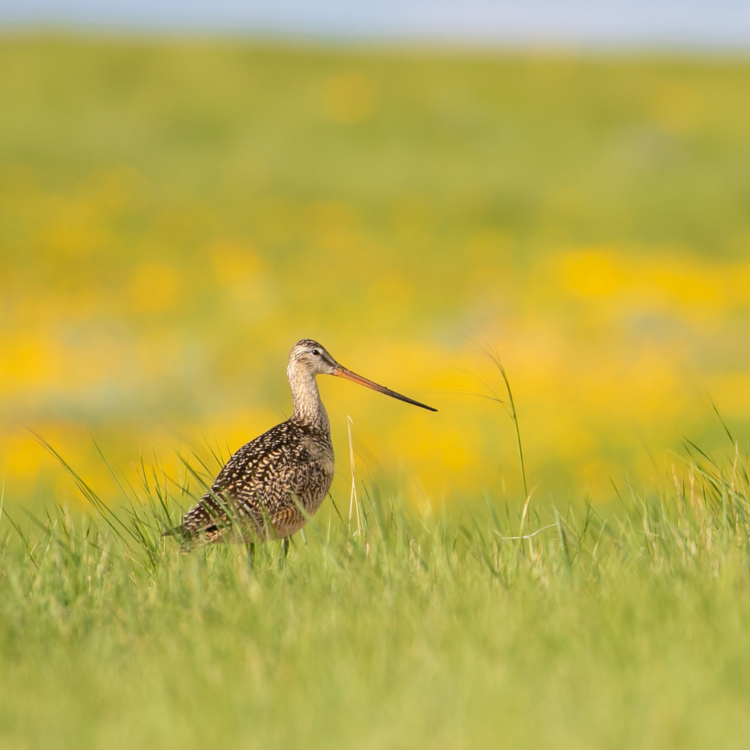
From toes to talons: a feet-first dive into wetland adaptations
Marshes are extremely challenging environments to live in. The fluctuating water levels, dense vegetation, and muddy conditions are no picnic. Yet, from head-to-toe, Marsh Birds have incredible adaptations to thrive in these unique habitats. We take a special look at what toes can tell us about life in the marsh.