Science Publications and Reports
Through science, we uncover what birds teach us about the health of the ecosystems we share. By combining advanced technology, long‑term monitoring, and collaborations across the country, we produce a wide range of research—from peer‑reviewed studies to annual reports—that helps guide conservation efforts and protect bird populations where they breed, migrate, and overwinter.
Explore Publications
Scientific publications demonstrate that Birds Canada’s work is grounded in strong science, strengthening our credibility with policymakers, funders and collaborators. By consistently publishing and contributing to research, our staff help shape the future of conservation, informing policies, best practices, and conservation action across Canada and beyond.
Science in Action Report
How does science actually improve things for birds and the places they depend on?
The Science in Action Report answers this question by pulling together key stories and numbers from across the country to show how data are being turned into better policies, restored habitats, and stronger protections for species at risk. From our national data infrastructure to regional program delivery, each section of the report answers a simple question: Over the past year, what has Birds Canada’s science done to help birds thrive?
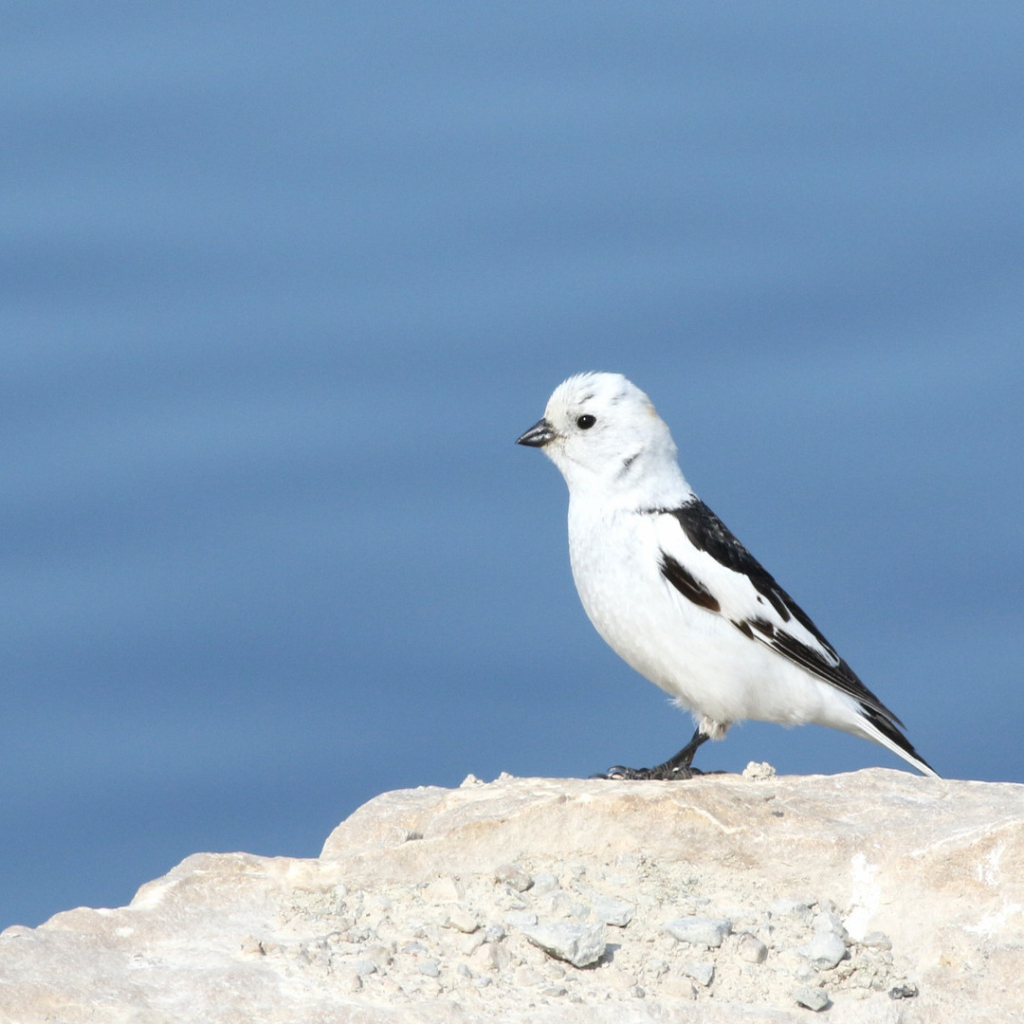
©Snow BuntingPhoto: Yousif Attia
State of Canada’s Birds
The State of Canada’s Birds 2024 reveals how bird populations are changing across the country.
Drawing on more than 50 years of monitoring data, much of it collected by volunteers, the report tracks long-term trends across hundreds of bird species.
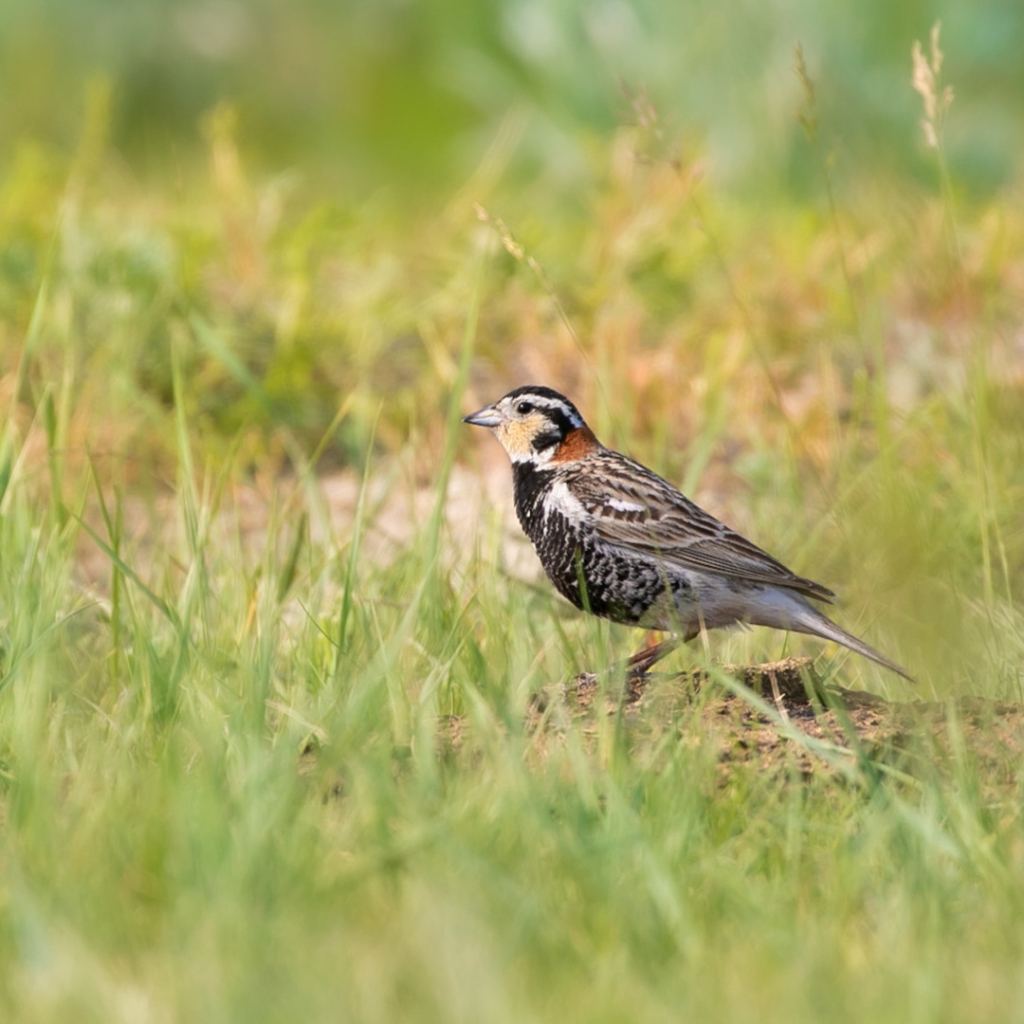
©Chestnut-collared LongspurPhoto: Aaron Roberge
Avian Conservation and Ecology
Avian Conservation and Ecology is an online, open‑access journal supported by Birds Canada and the Society of Canadian Ornithologists, bringing together cutting‑edge bird science and on‑the‑ground conservation. It features peer‑reviewed studies on how birds live, move, and adapt in changing environments, with a focus on implications for conserving species and habitats. Because every article is free to read, it offers an accessible window into current bird conservation research for practitioners, volunteers, and anyone curious about the science behind bird conservation.