Birds Canada Latest News
Stay connected to the world of birds with stories from the field, new science, conservation news, media releases, and ways to get closer to the birds you love.
All Articles
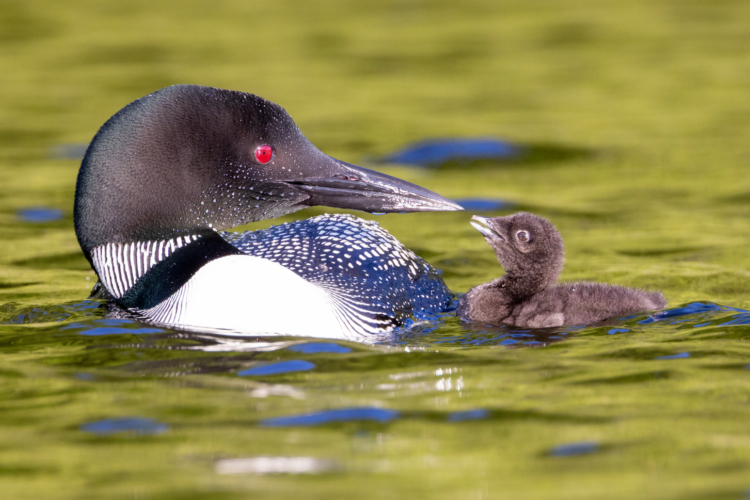
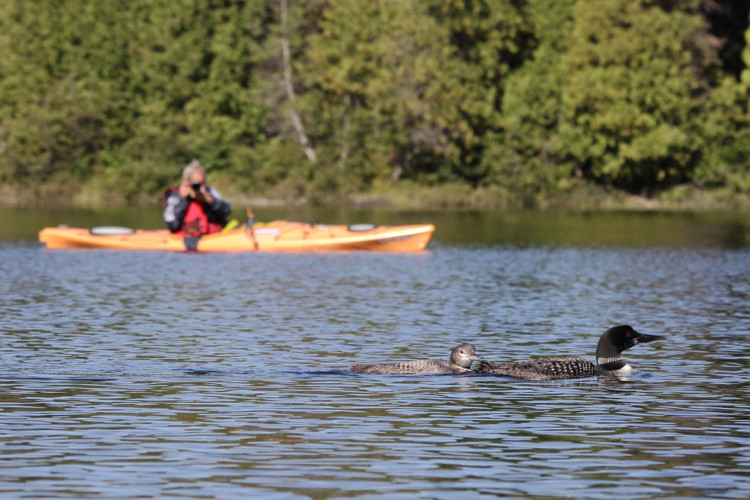
New Common Loon research uncovers a widespread decline and calls for action
The unprecedented international effort to understand and reverse declines in one of North America’s most iconic waterbirds.
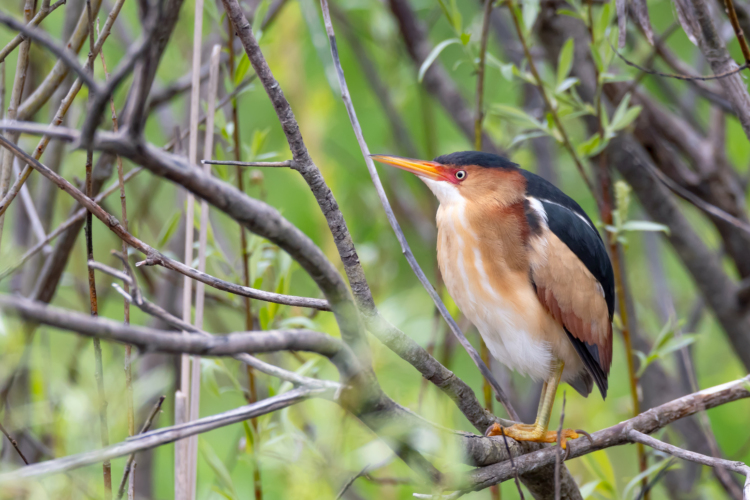
Birds Canada Science Critical for Great Lakes Coastal Wetland Bird Conservation
Birds Canada science has helped attract millions of dollars in recent funding to restore hundreds of hectares of threatened Great Lakes coastal wetlands for birds. Read on to see how data from our Great Lakes Marsh Monitoring Program and science-based recommendations from our Long Point Waterfowl and Wetlands Research Program have been critical for making this happen.
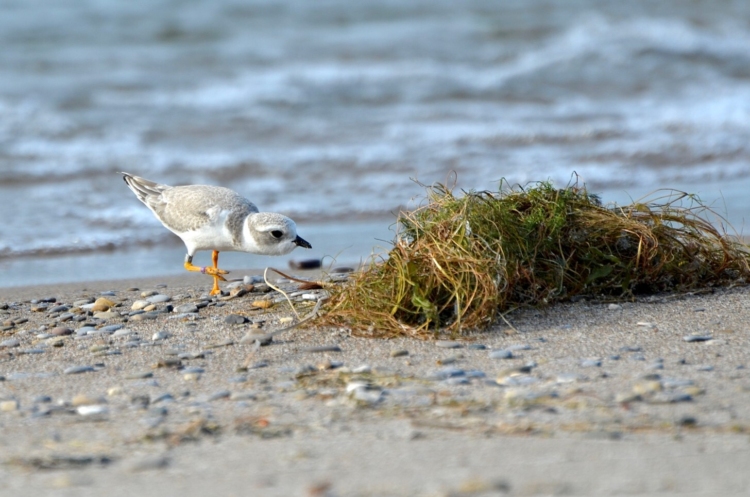
A homecoming for Piping Plovers on Lake Erie – nearly 50 years in the making
More than a century of conservation efforts paid off this spring, when a pair of Piping Plovers established a nest at Long Point for the first time since 1977. For nearly 50 years, birders, scientists, and nature lovers have eagerly awaited the return of nesting Piping Plovers to the Canadian shores of Lake Erie. Read on to learn just how significant this return is, and why it gives us hope for the future.
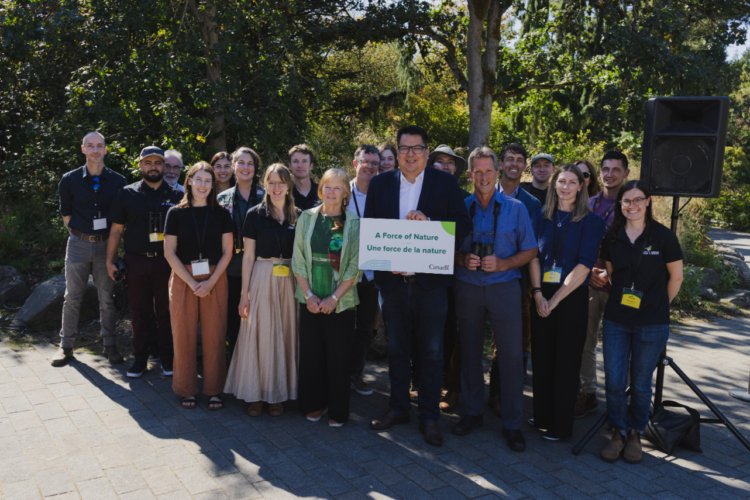
Celebrating the Joy of Birds and the Community that helps them Thrive
Government of Canada invests $2.6 million in bird monitoring – bolstering the impact of our volunteers

Birds Canada and Audubon renew partnership on annual Christmas Bird Count
For well over a century, the Christmas Bird Count (CBC) has connected people with birds and nature while establishing one of the longest running wildlife datasets in the world. A renewed partnership agreement between National Audubon Society (Audubon) and Birds Canada reaffirms a shared commitment to this international collaboration, more than 125 years in the making.
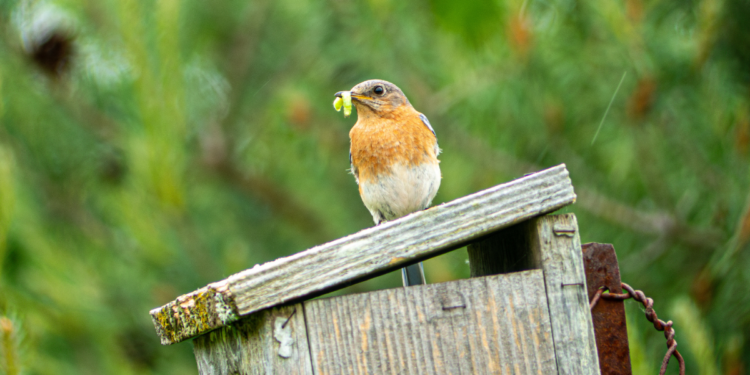
Birdathon: Funding community projects that help birds
We are excited to announce the 2026 recipients of the Birds Canada Community Grant, whose inspiring projects will work to propel bird conservation forward to protect the birds we love.
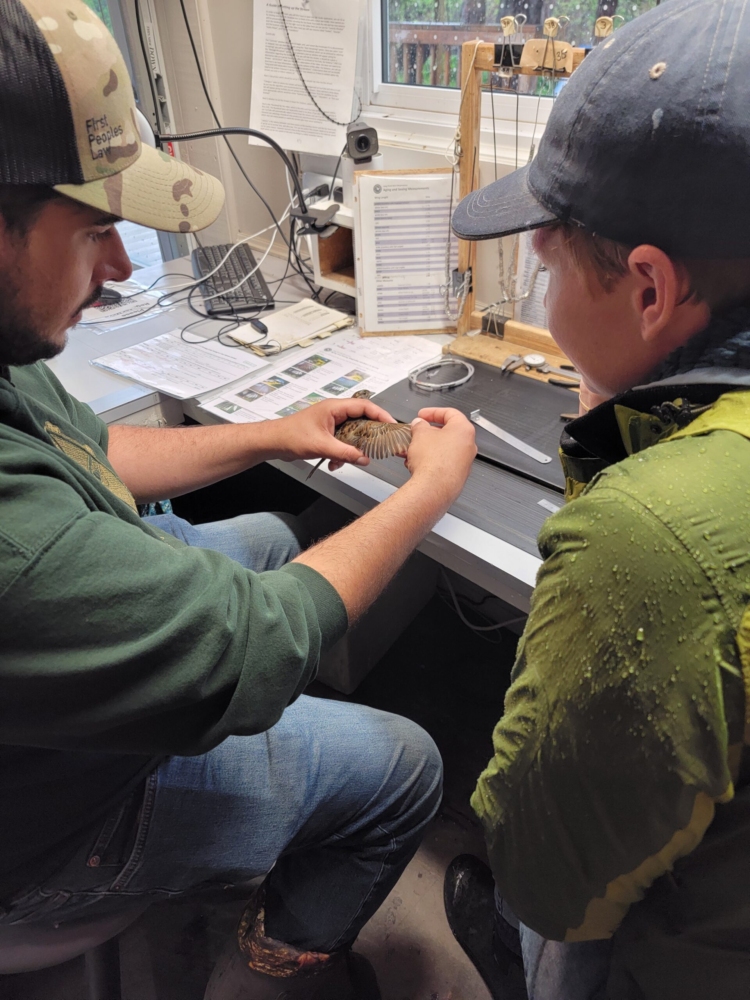
A Relationship Taking Flight: Timiskaming First Nation
Strong partnerships are at the heart of effective bird conservation, and the growing relationship between Timiskaming First Nation (TFN) and Birds Canada embodies that spirit.
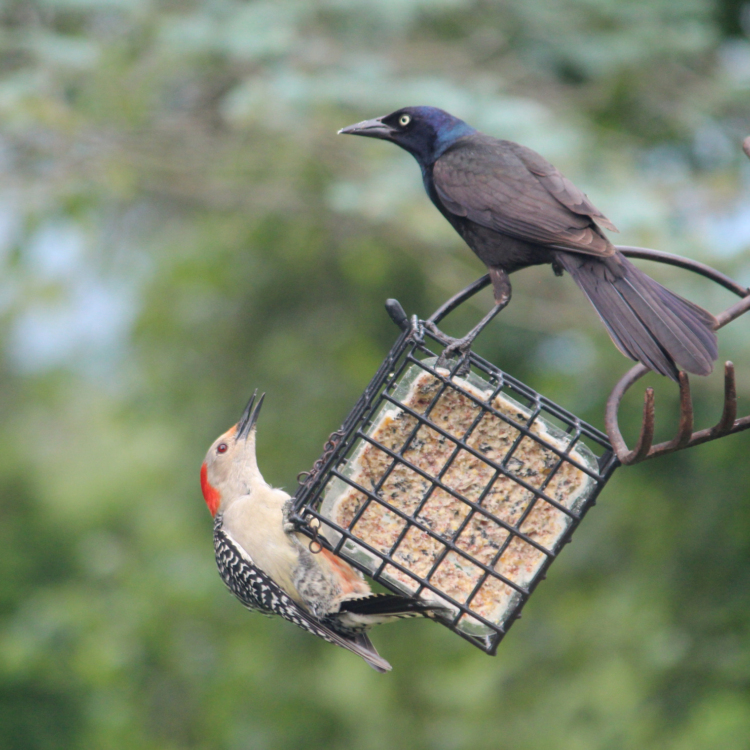
Best Practices for Feeding Birds in North America
An important part of welcoming birds to your outdoor space is to provide feeders and birdbaths safely. Here are our guidelines.
Stay Connected with Birds Canada
Sign up for Birds Canada’s newsletter to receive the latest stories, science, conservation news, and opportunities to get involved.