High Elevation Landbird Program
Through collaboration and long-term monitoring, we help protect vulnerable habitats and support the recovery of the at-risk Bicknell’s Thrush.
The windswept conifer forests on Atlantic Canada’s mountaintops, coastal headlands, and offshore islands hide an elusive species at risk, the Bicknell’s Thrush. These birds depend on these dense forests to thrive, but they are under threat from forestry activity, industrial development, and climate change.
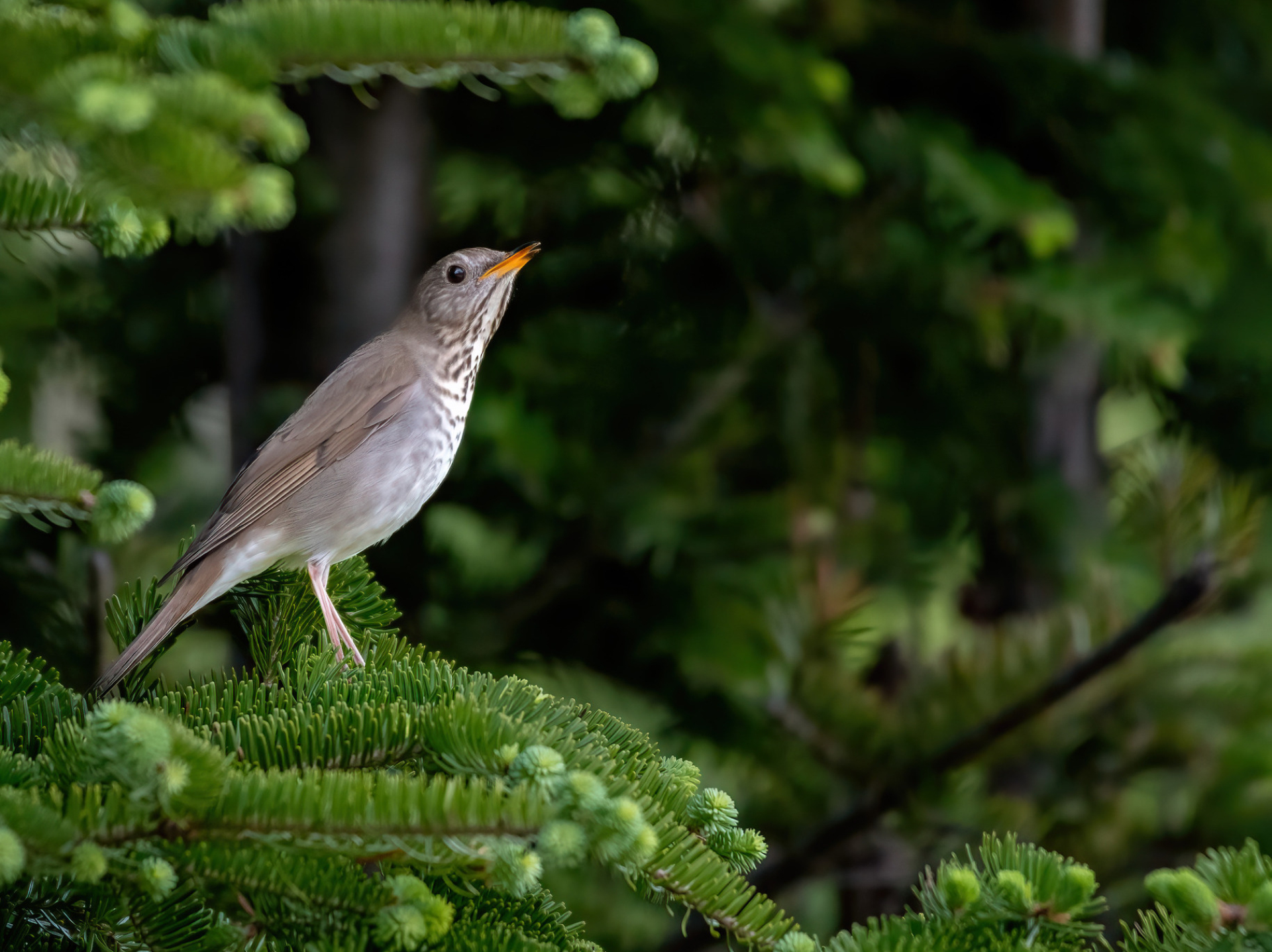
©Bicknell's ThrushPhoto: René Duclos
The High Elevation Landbird Program (HELP) gives a voice to the Bicknell’s Thrush and other migratory birds that rely on our unique highland forests to raise their young. Through annual surveys to monitor changes in population and projects to identify habitat areas important to this rare bird, HELP biologists have been on the ground in Nova Scotia and New Brunswick forests every spring/summer since 2002 to provide data and expertise critical to provincial, federal, and international recovery efforts.
Our relationships and collaboration with industry and government partners have produced direct conservation action, both through voluntary avoidance and in official regulations for long-term habitat protection.
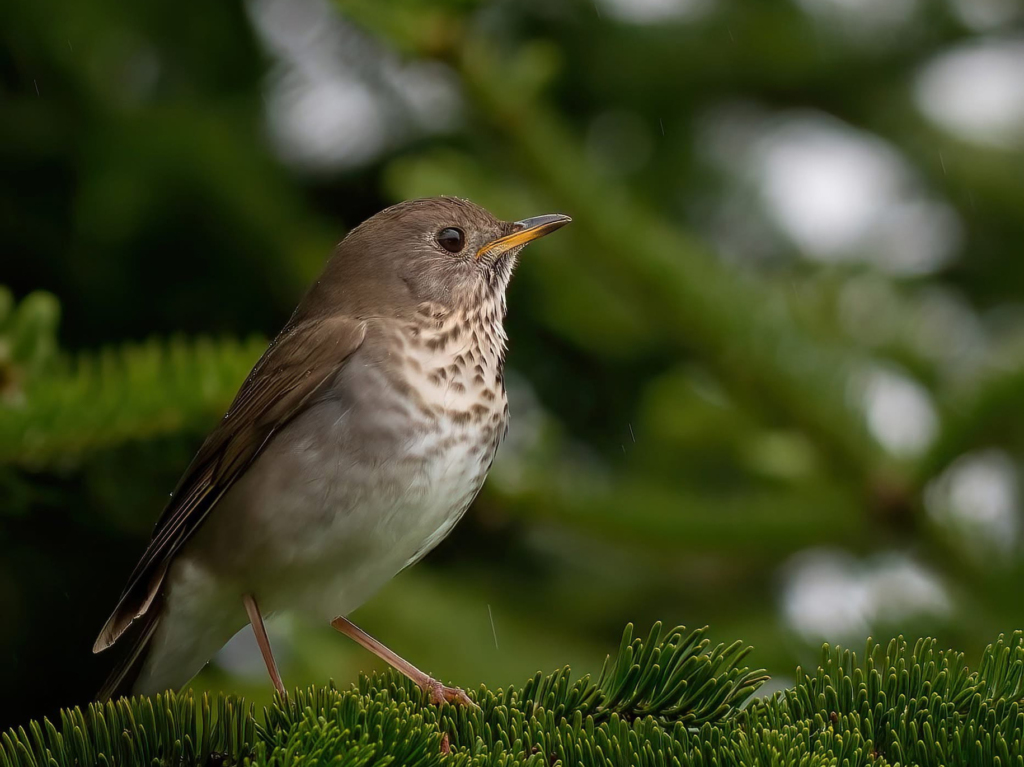
©Bicknell's ThrushPhoto: René Duclos
The Bicknell’s Thrush is declining throughout its range, including in the Maritimes, in large part due to habitat loss. The continued population decline shown by our last 10 years of monitoring data tells us that we are at a now-or-never moment to help this species recover – and we are listening.
As the only long-term program dedicated to Bicknell’s Thrush in the Maritimes region, Birds Canada’s High Elevation Landbird Program provided the decades of data and expertise essential to developing the habitat protections designated in the Recovery Strategy for Bicknell’s Thrush in New Brunswick (2026), a document that protects over 15,000 hectares of Bicknell’s Thrush habitat.
With the official adoption of this impactful policy, we turn our decades of on-the-ground survey expertise and strong partner relationships to advocating for and supporting its implementation and evaluation.
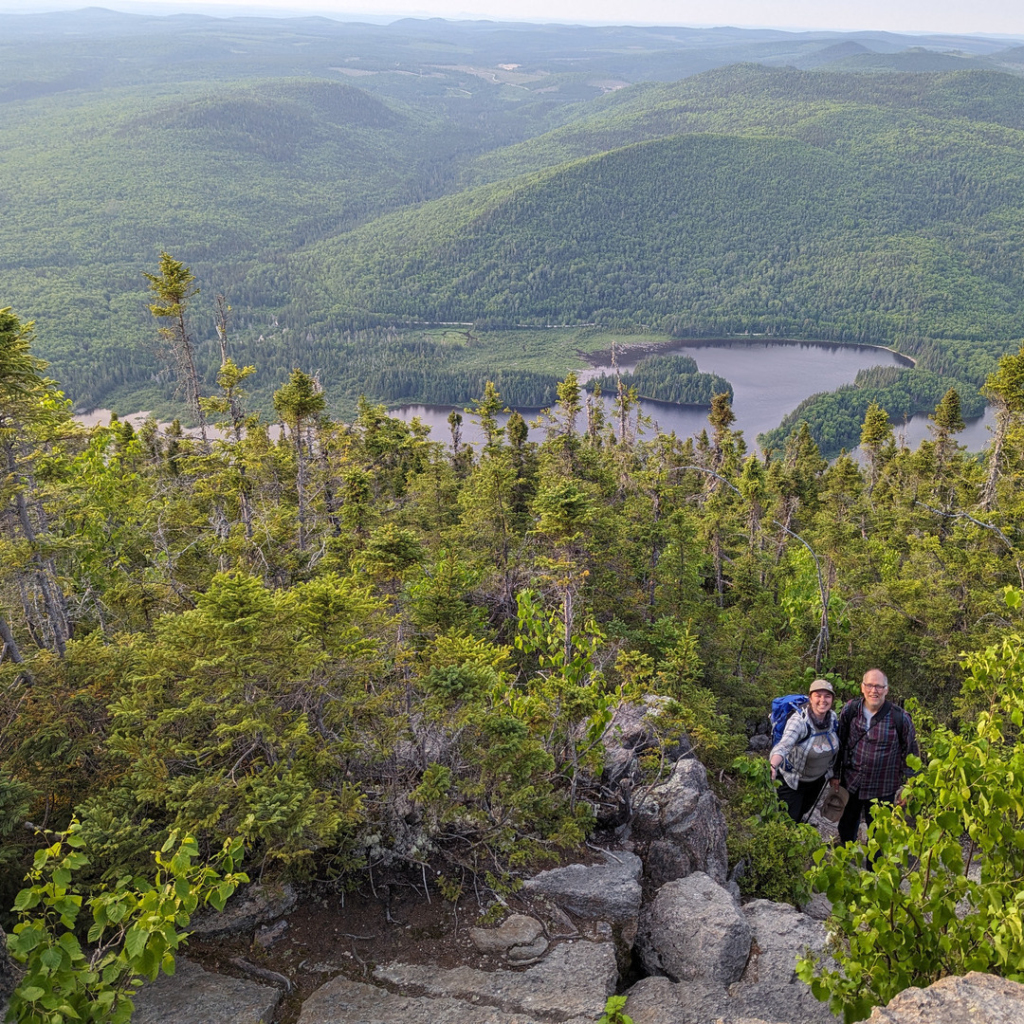
©Mount Sagamook, NSPhoto: Mariane Meilleur
Learn more about Bicknell’s Thrush on our podcast
This program is made possible by our partners.