Join This Season
SwiftWatch
May - September
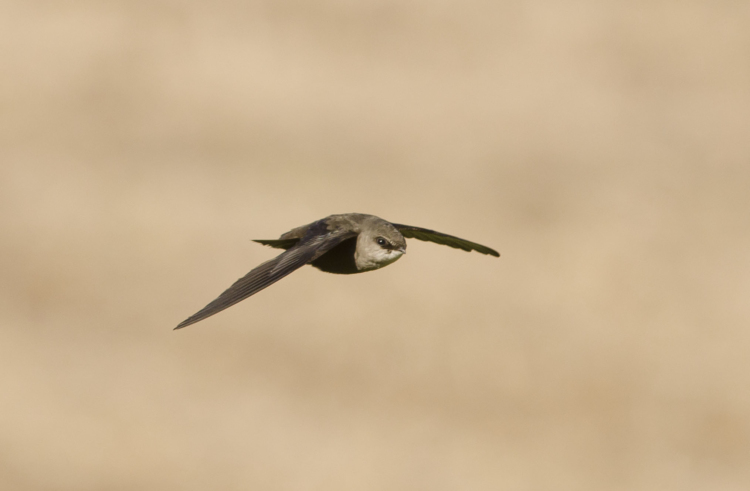
A flexible solo or group activity that can take place any time from dawn till dusk. Counting Chimney Swifts is quick to learn and the birds are delightful to observe.
Anyone that lives near a Piping Plover beach - and loves the sun and sand - can help with a mix of monitoring and stewardship.
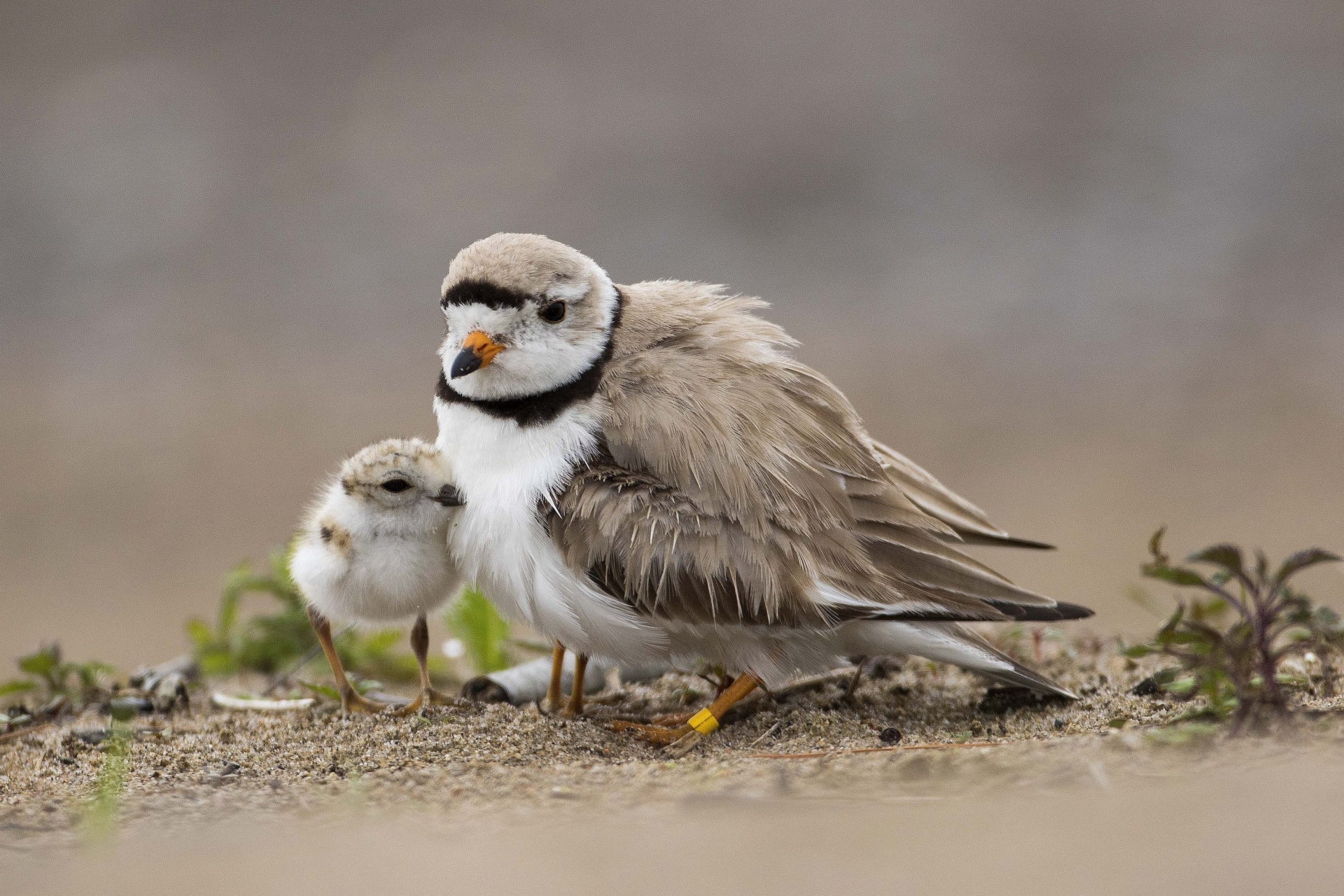
©Piping PloversPhoto: Mark Peck
©Piping PloversPhoto: Mark Peck
A gentle “peep-lo” cries out from the sand – an alarm call from a Piping Plover trying to raise its family on a busy beach. For volunteers in Ontario, New Brunswick and Nova Scotia, a day at the beach becomes an opportunity to monitor and protect these endangered shorebirds, engage with the community, and help others fall in love with a bird that truly needs our help.
As a volunteer, you play a vital role in conducting surveys, helping to monitor nests, educating the public, and acting as stewards for shared beach spaces. By combining science-based conservation techniques, community engagement, and on the-ground action, Birds Canada and partners are helping Piping Plovers successfully raise their families while balancing recreational use of beaches. Explore your region below or contact a coordinator for more information.
Join us on beaches across the Great Lakes
Join us on beaches across Nova Scotia and southeastern New Brunswick
Birds Canada's Ontario and Maritimes Piping Plover Conservation Programs bring together local communities, Indigenous partners, researchers and government agencies, and volunteers like you, to support the recovery of one of Canada’s most endangered shorebirds.
Across the Great Lakes, southeastern New Brunswick and Nova Scotia coasts, these programs focus on monitoring and protecting beach nesting habitat, reducing threats, engaging with partners and the public, and guiding stewardship of healthy and resilient coastal ecosystems. Activities include monitoring breeding pairs and nests, using disturbance reduction strategies on beaches to help Plovers nest and raise young safely, collecting data to inform conservation efforts, assessing habitat quality, and engaging volunteers and partners on beaches and nearby communities.
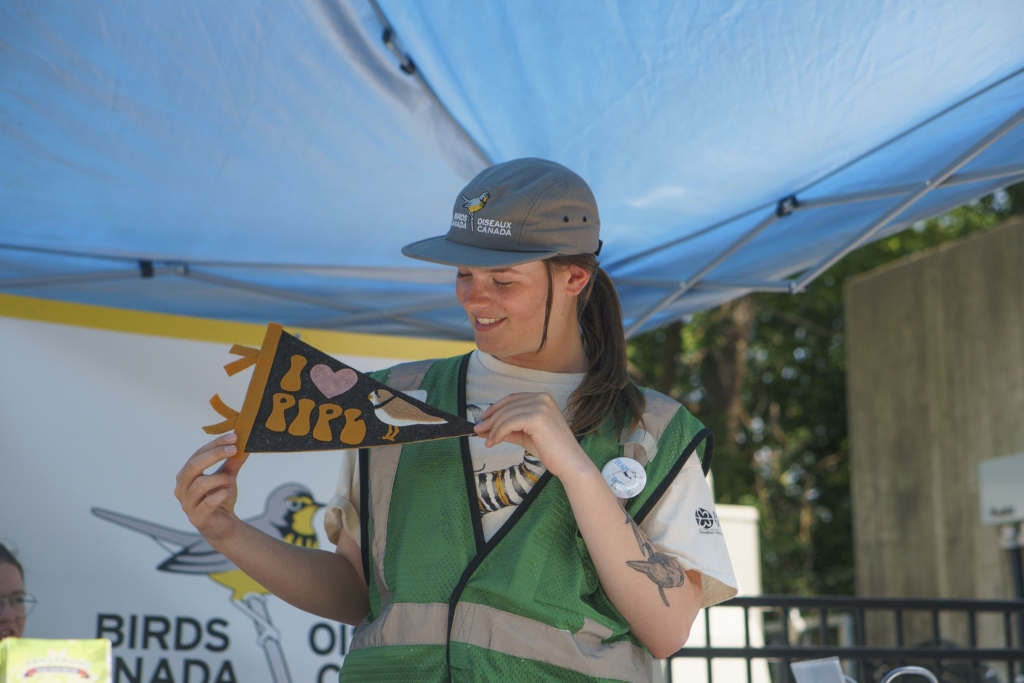
Photo: Claire Marshall
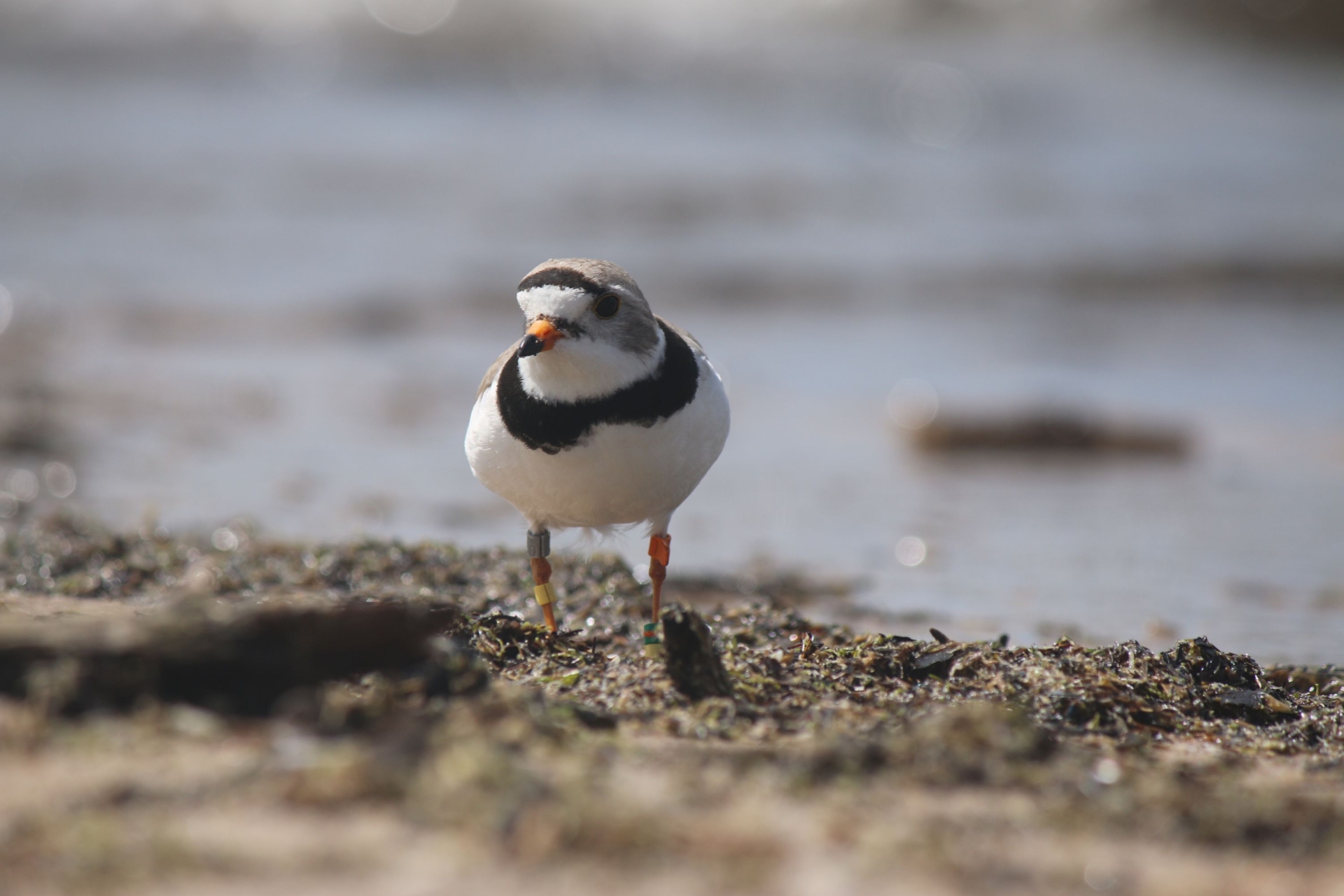
©Piping PloverPhoto: Sydney Shepherd
Sign up for Birds Canada’s newsletter to receive the latest stories, science, conservation news, and opportunities to get involved.
A flexible solo or group activity that can take place any time from dawn till dusk. Counting Chimney Swifts is quick to learn and the birds are delightful to observe.
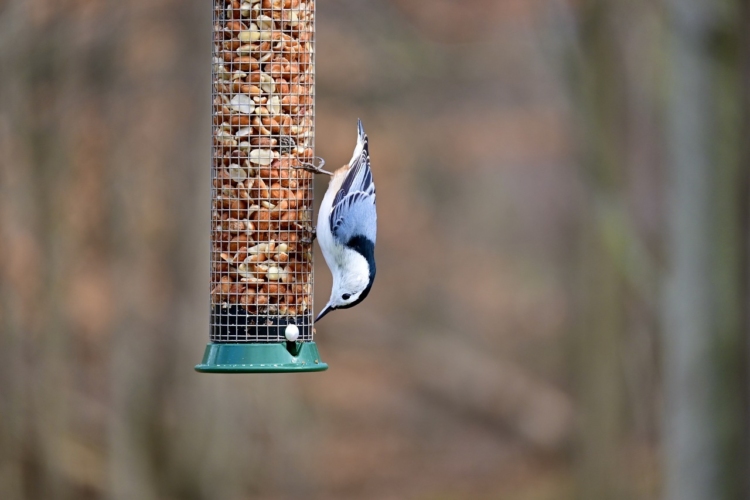
Counting birds at your feeder this winter is an easy, flexible opportunity - open to all skill levels and a great way to learn bird identification.
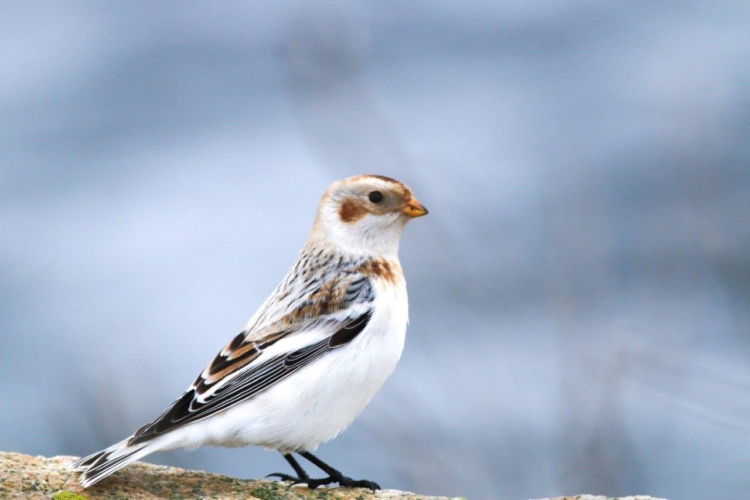
A long-running favourite, the Christmas Bird Count welcomes all skill levels and is a great way to meet birders, build skills, and embrace winter.
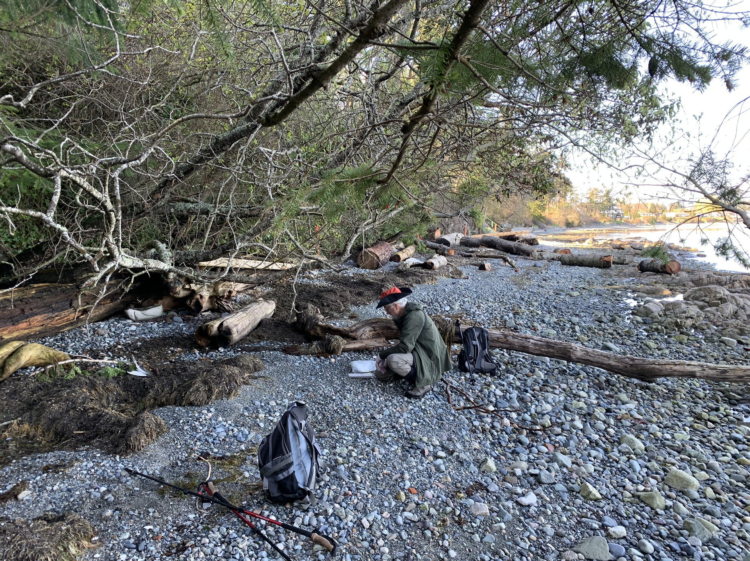
All skill levels can help monitor seabird mortality along coastlines – essential for early detection of oil spills and environmental change.
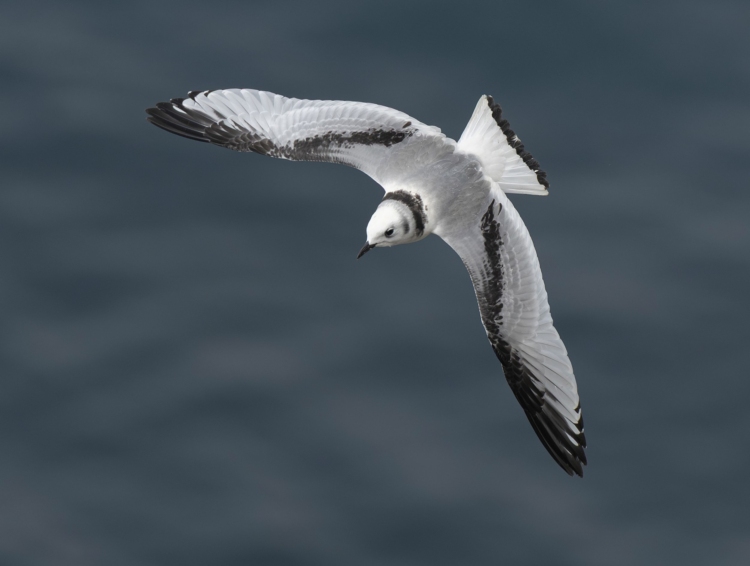
With specialized waterbird and raptor ID skills, help monitor a stretch of coastline once a month from September to April.
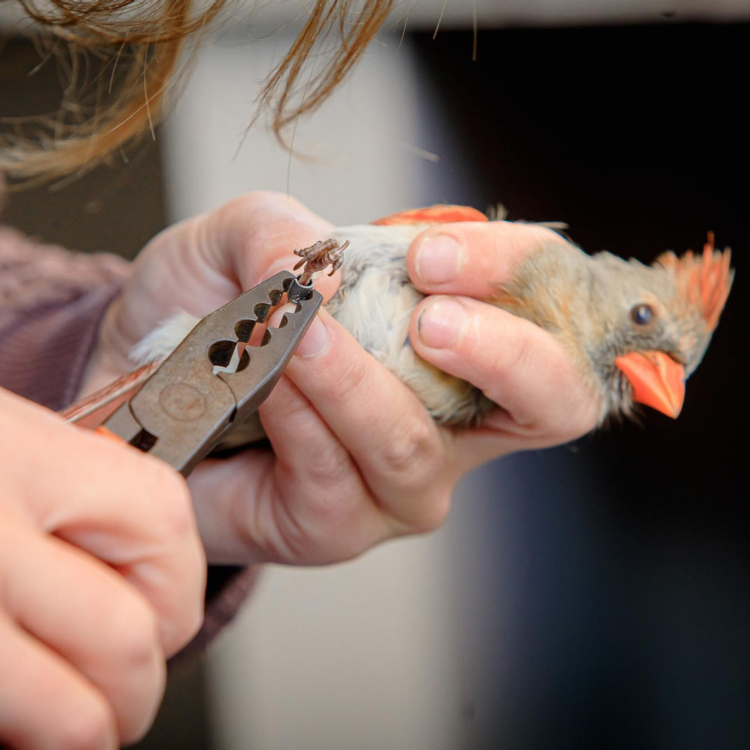
Located in the heart of an important migration corridor in Long Point, Ontario, LPBO brings people together through research, education, and training that deepens our understanding of birds, conservation, and the natural world. From migration monitoring to public engagement, LPBO offers volunteer opportunities to build skills, gain hands-on experience, and contribute to meaningful conservation work. More than a volunteer experience, this is a chance to live and learn at the heart of migration and become part of a community working together for birds.