Blog / eNews
Grow a Bird-Friendly Garden This Season
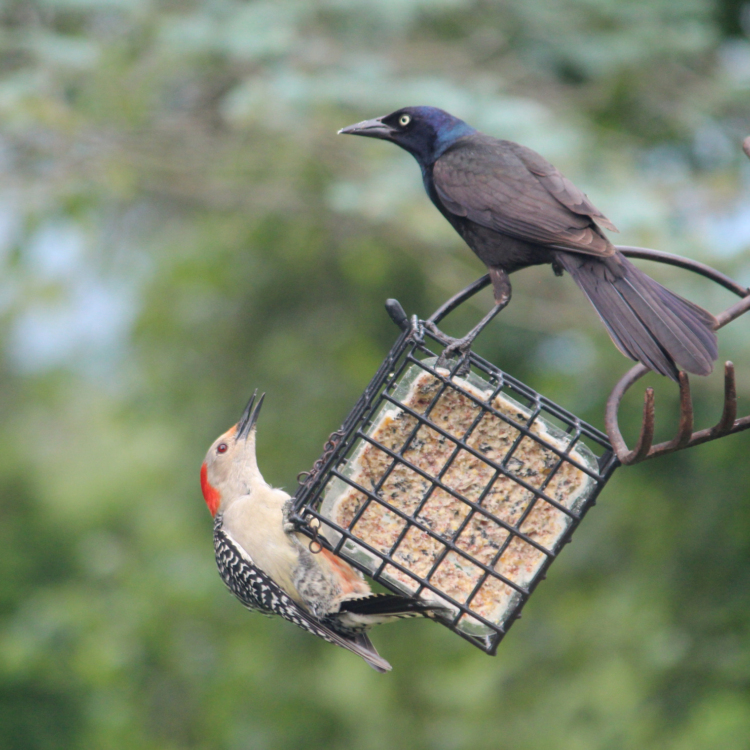
Whether you have a big garden or a balcony with some pots – these patches of habitat add up to something meaningful for bird populations. Read about some of the best plants for attracting birds to your space: hummingbirds, warblers, and even winter favourites!
Science in the Sand: How we Protect Bank Swallows in Atlantic Canada
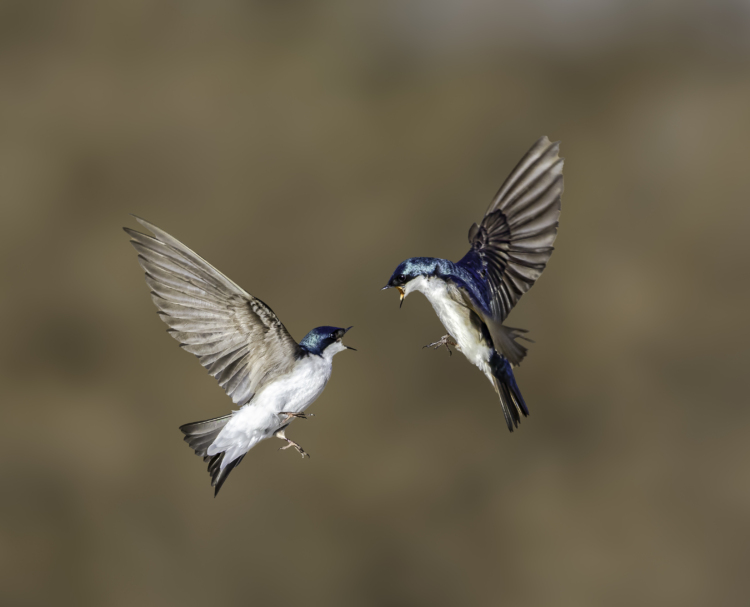
From coastal cliffs to wetlands – Bank Swallows like a vast range of habitats. It makes monitoring them challenging, yet so fun! Our team is using new innovations, new friends, and a lot of hours on dusty dirt roads to track down Bank Swallows – ultimately striving to protect their habitats and halt troubling declines.
From toes to talons: a feet-first dive into wetland adaptations
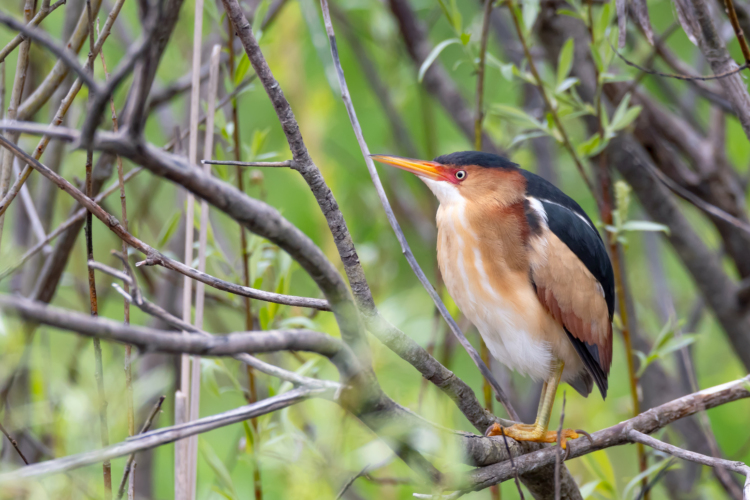
Marshes are extremely challenging environments to live in. The fluctuating water levels, dense vegetation, and muddy conditions are no picnic. Yet, from head-to-toe, Marsh Birds have incredible adaptations to thrive in these unique habitats. We take a special look at what toes can tell us about life in the marsh.
Birdathon: Funding community projects that help birds
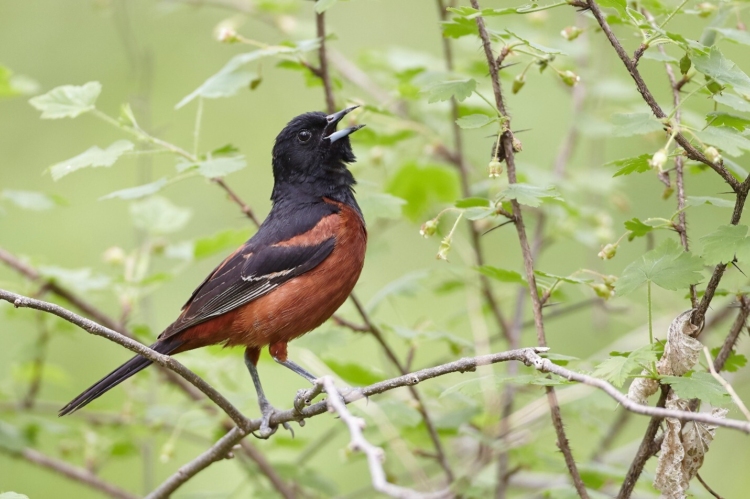
With the 50th annual Birdathon fast approaching, take a look at some of the projects that last year’s fundraising is helping to support. From Bicknell’s Thrush surveys in New Brunswick, to Motus tagging in British Columbia – the conservation impacts are wide-reaching and aim to protect the birds we love.
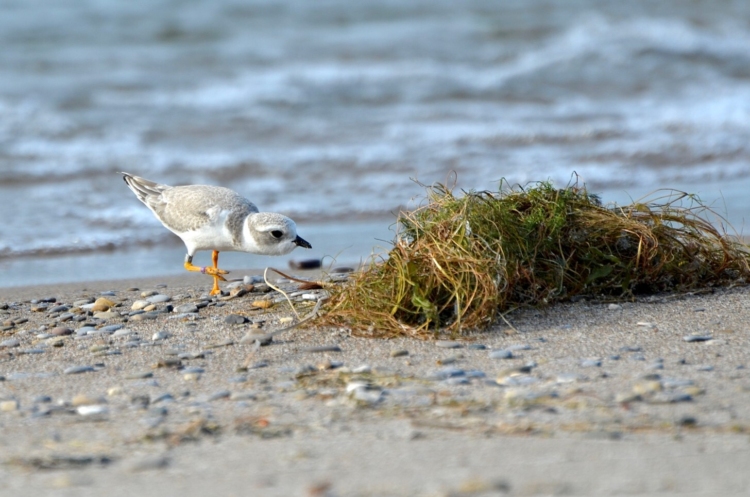
An Update on Piping Plovers at Ontario’s Wasaga Beach: Your Frequently Asked Questions
We’ve been getting lots of questions about the changes happening at Wasaga Beach, and how they will impact the Piping Plovers that nest there. Thank you for caring!
Delivering Strong Science: Our First Science in Action Report
Birds Canada’s first-ever Science in Action Report is a celebration of something powerful: what happens when decades of standardized monitoring, cutting‑edge tools, and thousands of passionate people come together for birds? It answers a big question in a very grounded way: How does science actually improve things for birds and the places they depend on?