Join This Season
SwiftWatch
May - September
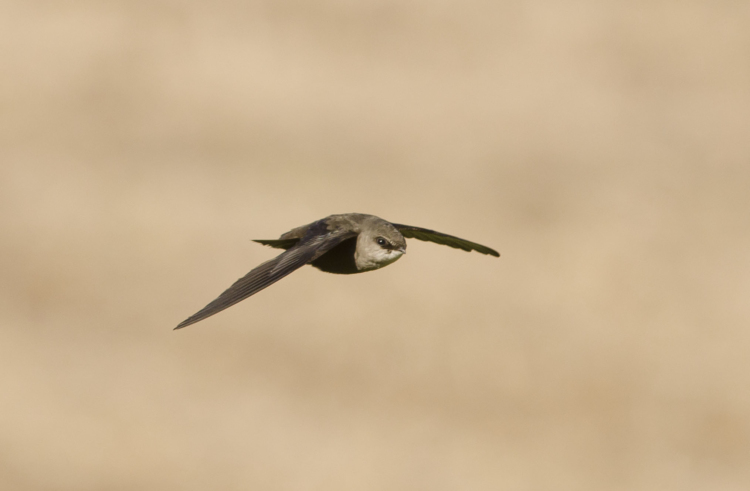
A flexible solo or group activity that can take place any time from dawn till dusk. Counting Chimney Swifts is quick to learn and the birds are delightful to observe.
Turn your love of birds into meaningful conservation action. Every season brings new opportunities to help birds thrive, with volunteer programs across Canada for every experience level.
A flexible solo or group activity that can take place any time from dawn till dusk. Counting Chimney Swifts is quick to learn and the birds are delightful to observe.
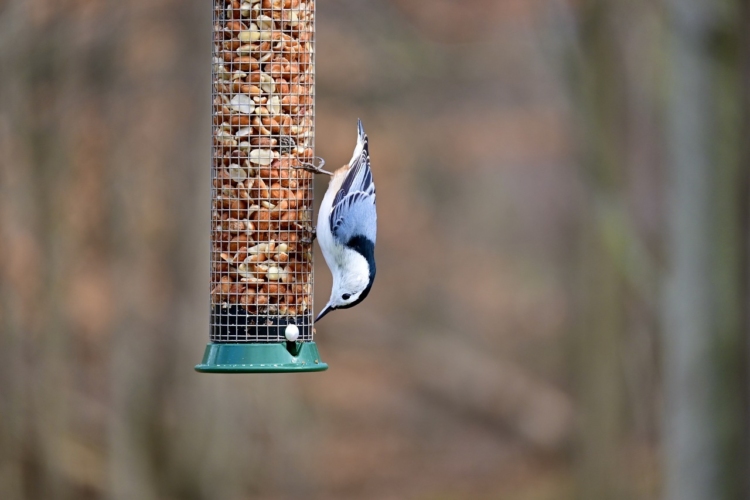
Counting birds at your feeder this winter is an easy, flexible opportunity - open to all skill levels and a great way to learn bird identification.
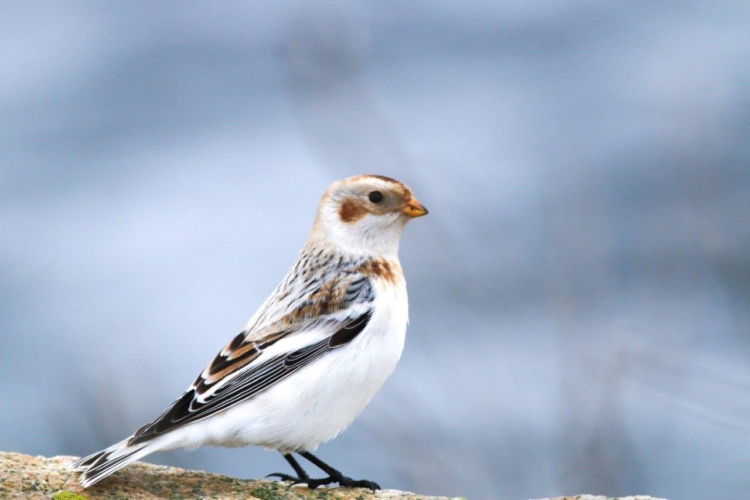
A long-running favourite, the Christmas Bird Count welcomes all skill levels and is a great way to meet birders, build skills, and embrace winter.
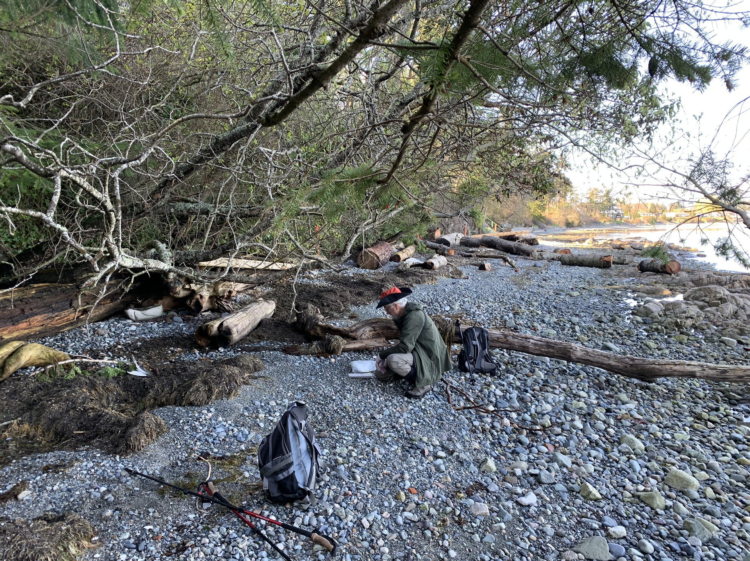
All skill levels can help monitor seabird mortality along coastlines – essential for early detection of oil spills and environmental change.
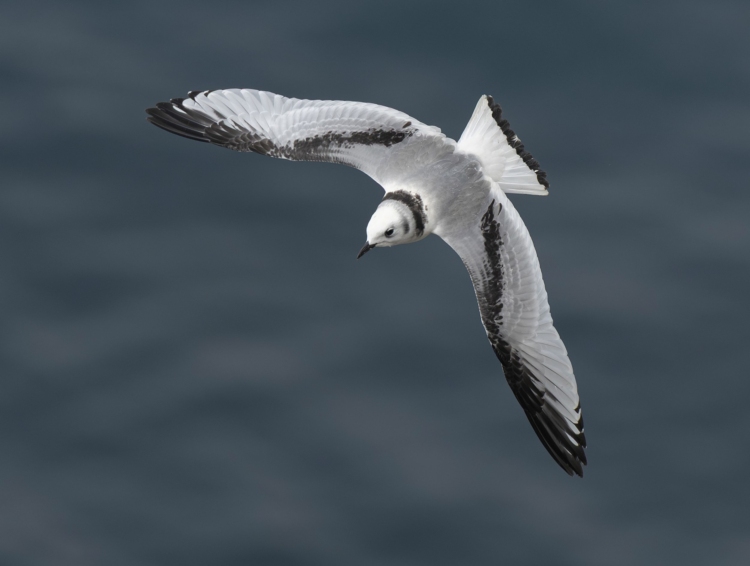
With specialized waterbird and raptor ID skills, help monitor a stretch of coastline once a month from September to April.
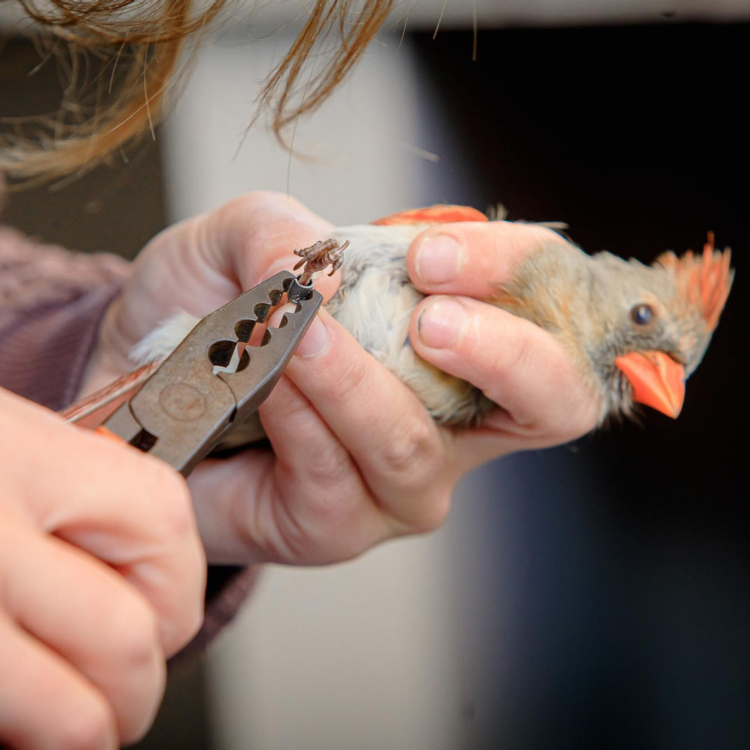
Located in the heart of an important migration corridor in Long Point, Ontario, LPBO brings people together through research, education, and training that deepens our understanding of birds, conservation, and the natural world. From migration monitoring to public engagement, LPBO offers volunteer opportunities to build skills, gain hands-on experience, and contribute to meaningful conservation work. More than a volunteer experience, this is a chance to live and learn at the heart of migration and become part of a community working together for birds.
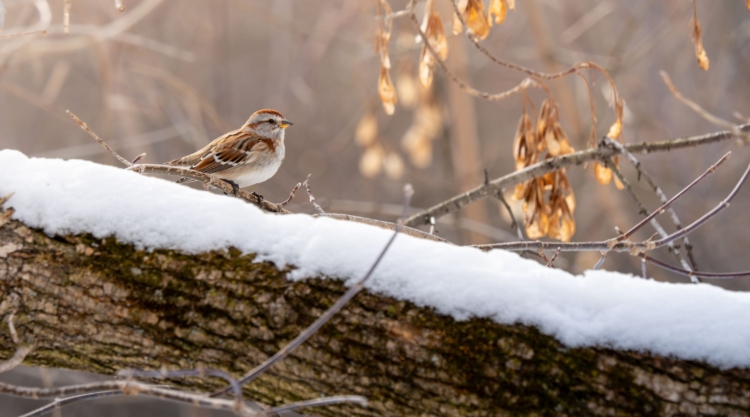
Join the world in connecting to birds February 12–15, 2027.
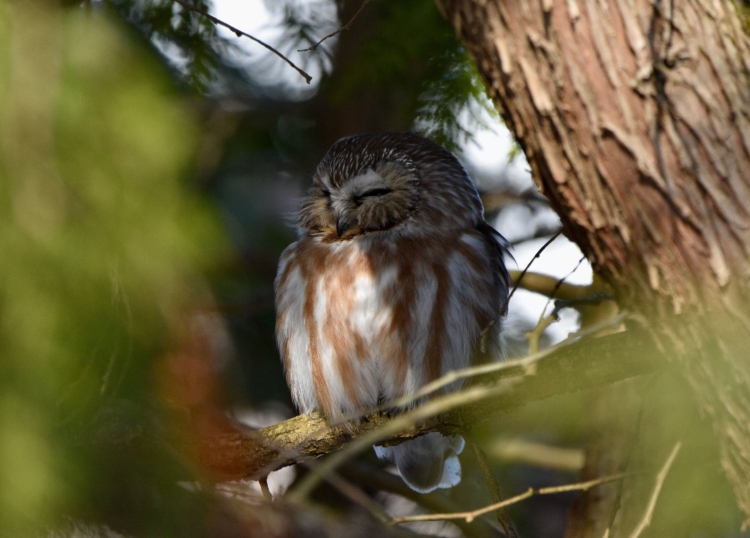
Once a year, volunteers use their owl identification and call recognition skills during a nighttime roadside survey.
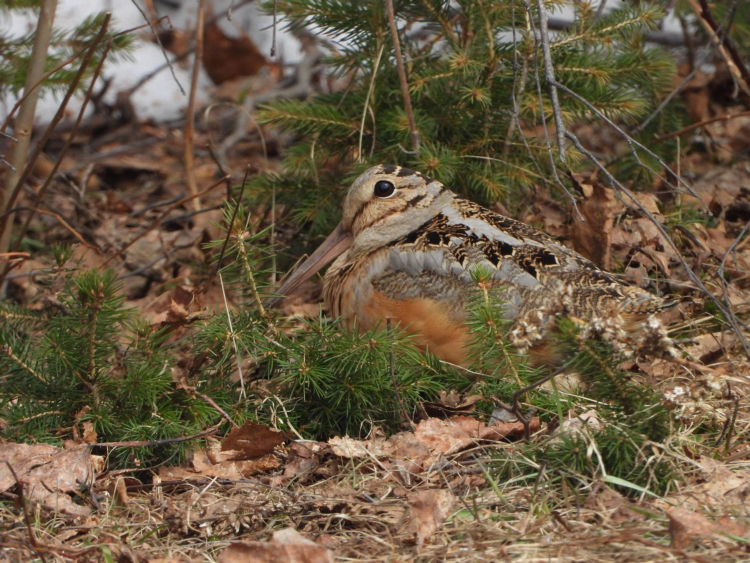
All skills levels are welcome to help monitor one of Canada’s quirkiest shorebirds – all you need is a keen ear and access to a vehicle.
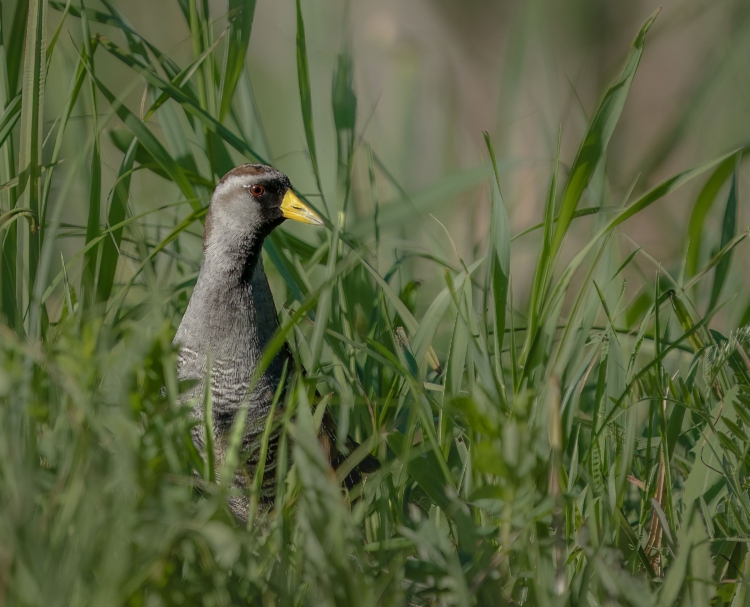
MarshWatch educational series helps you learn bird and frog identification and practice applying these new skills in a flexible setting.
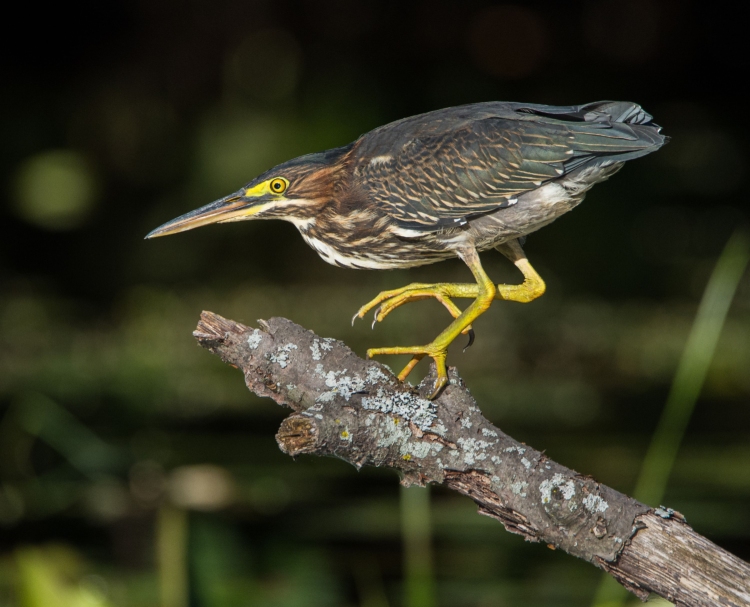
Volunteers apply their strong bird and frog identification skills during the most exciting time of the year – spring!
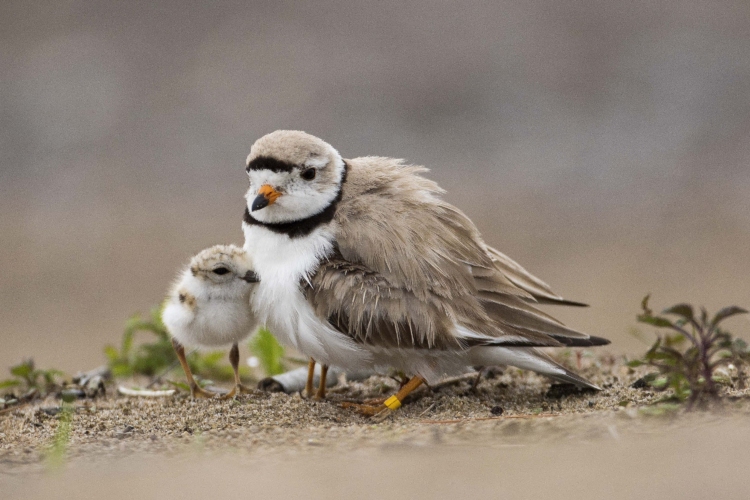
Anyone that lives near a Piping Plover beach - and loves the sun and sand - can help with a mix of monitoring and stewardship.
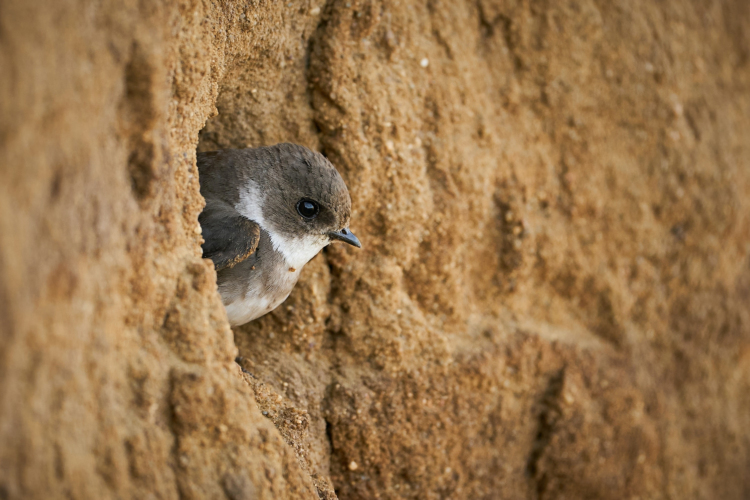
Anyone can help these insect-loving acrobats by restoring habitat, supporting insect populations, and joining bird monitoring efforts.
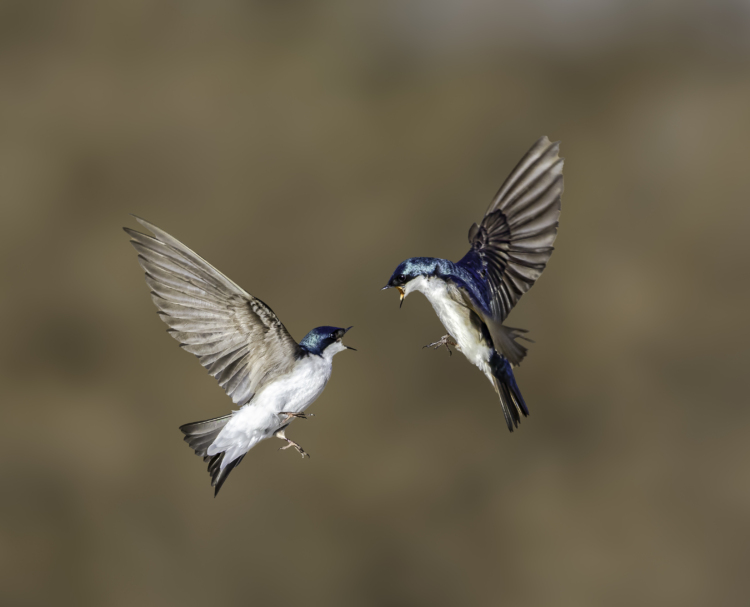
Hop in the car and put your bird ID skills to work, counting every bird you can see or hear along a 40 km route.
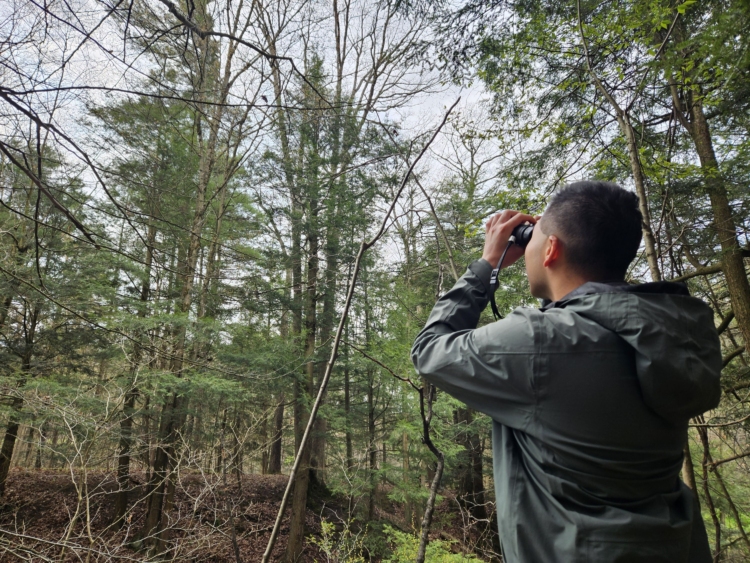
Skilled birders with strong identification skills step into the forest twice a year to document all the birds they can see and hear.
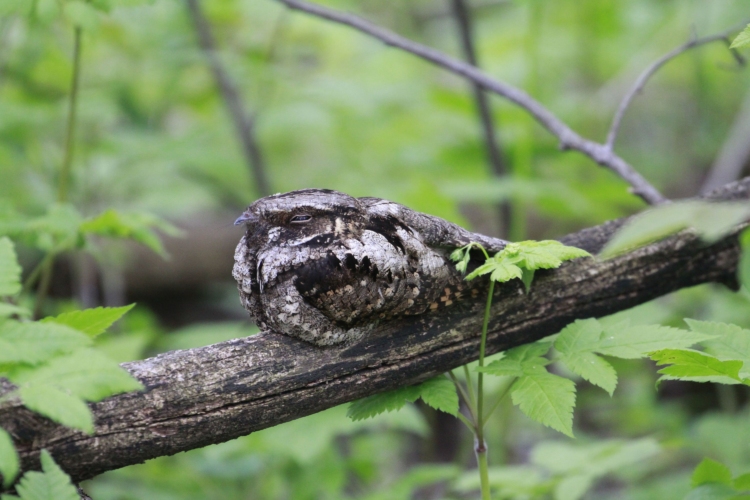
Volunteers drive an assigned route to listen for nightjars – perfect for all skill levels, and those looking for a flexible opportunity.
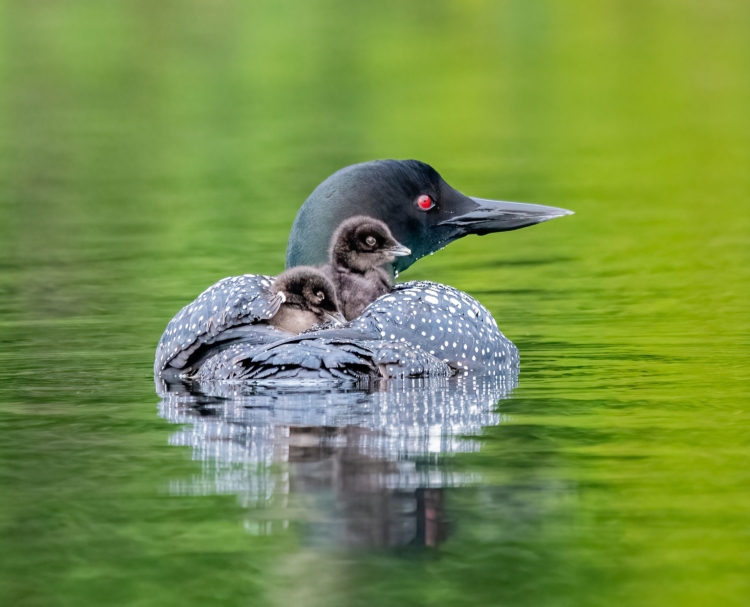
Loon lovers of all skill levels can share observations of Common Loons at a lake of your choice – a flexible and fun way to connect with nature.
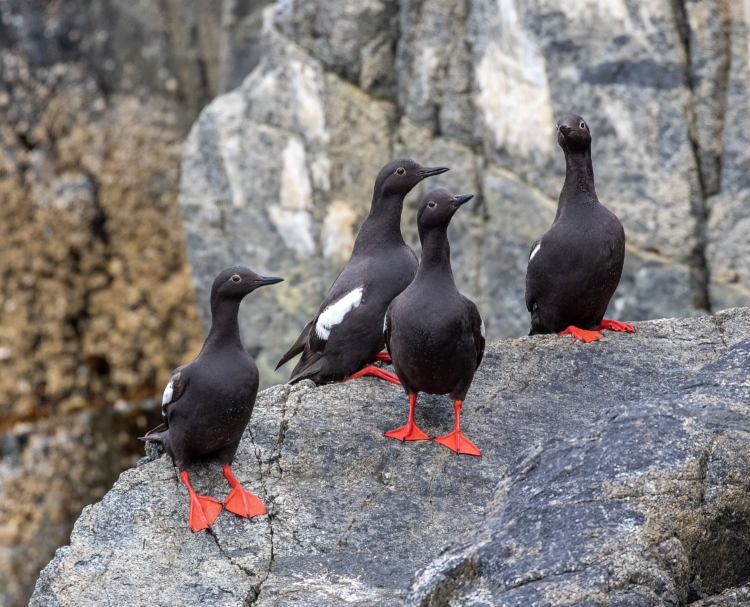
Volunteers should have sharp observation skills, the ability to learn monitoring methods, and ample spare time to support this new project.
Sign up for Birds Canada’s newsletter to receive the latest stories, science, conservation news, and opportunities to get involved.